
Flowers
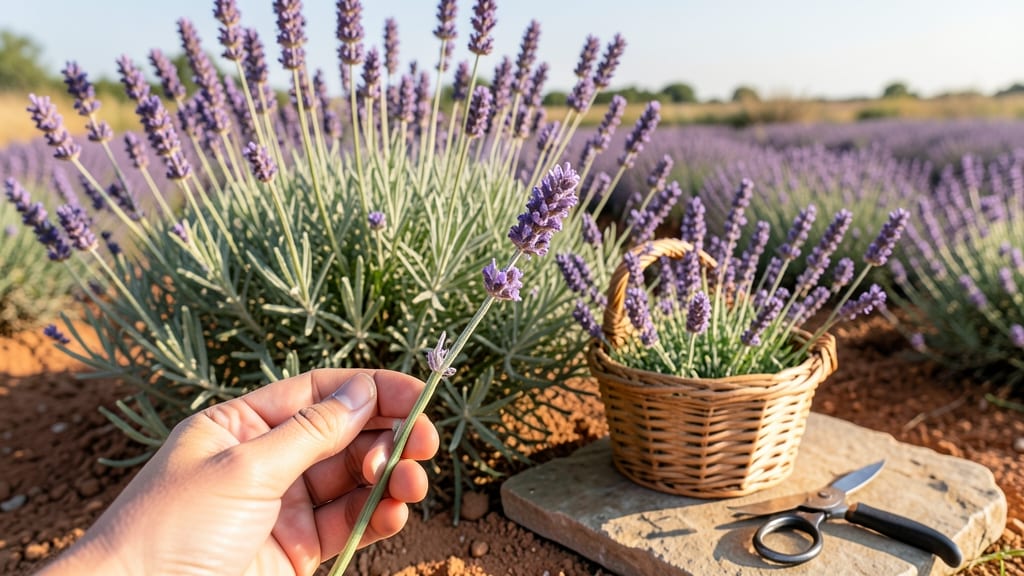
Harvesting lavender flowers at the right stage unlocks their strongest scent and highest oil content—when buds are tight and purple but not yet open.
Picture this: you’ve waited all summer for your 🌸 lavender to bloom, only to cut it too late and end up with wilted stems and faded fragrance. That’s a common mistake, but timing is everything for maximum flavor and aroma.
In this guide, I’ll walk you through the best time of day to harvest (hint: it’s not midday), the tools you’ll need, and how to preserve that signature lavender scent long after the flowers are picked.
Whether you’re drying bundles for sachets or using fresh blooms in cooking, these tips will help you get the most out of your harvest—without overdoing it and stressing your plants.

When to harvest lavender flowers for maximum fragrance & oil content
Timing is everything when harvesting lavender flowers. The peak fragrance and oil content occur when buds are fully formed but not yet open. This usually happens in late spring to early summer, depending on your climate zone. Missing this window means weaker scent and lower-quality essential oils.
Most lavender varieties bloom between June and September, but English lavender and French lavender often peak earlier. If you're in USDA Zone 6a or warmer, aim for mid-June to July for the best results. Cooler regions may experience a delayed harvest by 2-4 weeks.
Harvesting too early risks underdeveloped buds, while waiting too long means wilting flowers and lost fragrance. The key is catching those tight purple buds just before they unfurl—this is when their essential oil production is at its highest.
Morning is the ideal time to harvest. Dew-covered buds indicate readiness, and cooler temperatures help preserve volatile oils. Avoid harvesting after noon, as heat can cause buds to open prematurely or wilt during cutting.
Weather plays a crucial role too. Harvest on dry, sunny mornings with no rain forecast for 24 hours. Humidity can promote fungal growth, while windy days may scatter delicate buds. Always check the stem firmness—soft or mushy stems signal overripe flowers.
| Harvest Stage | Visual Cues | Best Time | Fragrance Quality |
|---|---|---|---|
| Early Bud Stage | Tiny green buds, no purple | Not ready | Low |
| Peak Harvest Stage | Tight purple buds, no blooms | Morning, dry days | Highest |
| Late Bloom Stage | Open flowers, wilting | Avoid | Low |
| Post-Bloom Stage | Brown stems, seed pods | Not applicable | None |
Spring-harvested lavender often has a lighter, sweeter scent compared to summer blooms, which can be slightly more robust but may have lower oil content. If you're growing culinary lavender, prioritize early summer harvests for the best flavor profile.
Never harvest more than one-third of the plant in a single session. Over-harvesting stresses lavender, reducing future blooms and oil production. Always cut stems at a 45-degree angle just above a leaf node to encourage bushier growth.
After harvesting, bundle stems immediately and hang them in a well-ventilated, dark space to preserve oils. Avoid plastic bags, which trap moisture and degrade quality. Proper drying can take 2-4 weeks, depending on humidity levels.
If you miss the peak harvest window, don’t despair—lavender can produce secondary blooms later in summer. While these may not be as fragrant, they’re still usable for drying or crafts. Just avoid harvesting after mid-August in most climates, as cooler temps signal dormancy.
Pro tip: Use a small hand pruner for clean cuts and wear gardening gloves to protect your hands from the plant’s oils, which can cause skin irritation in some people. Always harvest on a clear day to let buds dry naturally.
Essential tools & techniques for stress-free lavender harvesting
Harvesting lavender flowers at their peak requires the right tools and techniques to preserve that signature fragrance and oil content. Whether you're a beginner or seasoned gardener, using proper equipment and methods makes all the difference in quality and yield.
I’ve gathered the essentials to ensure your lavender harvest is both stress-free and highly rewarding.
Start with sharp pruning shears or secateurs—these tools make clean cuts that heal faster, reducing stress on your lavender plants. Pair them with gardening gloves to protect your hands from the plant’s tiny, sharp stems.
Don’t forget a large basket or breathable container to hold your harvest, preventing bruising and moisture buildup that can spoil the flowers.
⚠️ WARNING: Avoid Harvesting at the Wrong Time Harvesting lavender too late in the season or when buds are fully open can ruin the fragrance and oil potency. Always cut stems when 20-30% of buds are open but still tightly clustered.
Overharvesting weakens plants and reduces next year’s yield. Limit harvests to one-third of the plant at a time to maintain health.
When cutting, aim for stem lengths of 6-12 inches—this ensures stability for drying while leaving enough foliage to support photosynthesis. Use a 45-degree angle when snipping to maximize surface area for drying.
Avoid cutting into old wood, as this can harm the plant’s structure. For culinary lavender, harvest just before full bloom to concentrate the essential oils.
Once harvested, process lavender quickly to lock in freshness. Bundle stems with rubber bands and hang them upside down in a well-ventilated, dry area away from direct sunlight. Alternatively, spread flowers on a screen or mesh tray in a dehydrator at 95°F (35°C) for even drying.
Avoid plastic bags, as trapped moisture causes mold and spoils the scent.
Store dried lavender in airtight containers like glass jars or fabric sacks, keeping them in a cool, dark place to preserve fragrance for up to a year.
For immediate use, trim stems and place them in water-filled vases—their scent will last 5-7 days with a splash of vinegar or lemon juice to extend freshness.
With the right tools and techniques, your lavender harvest will be abundant, fragrant, and long-lasting. Happy harvesting! 🌿✂️