
Size
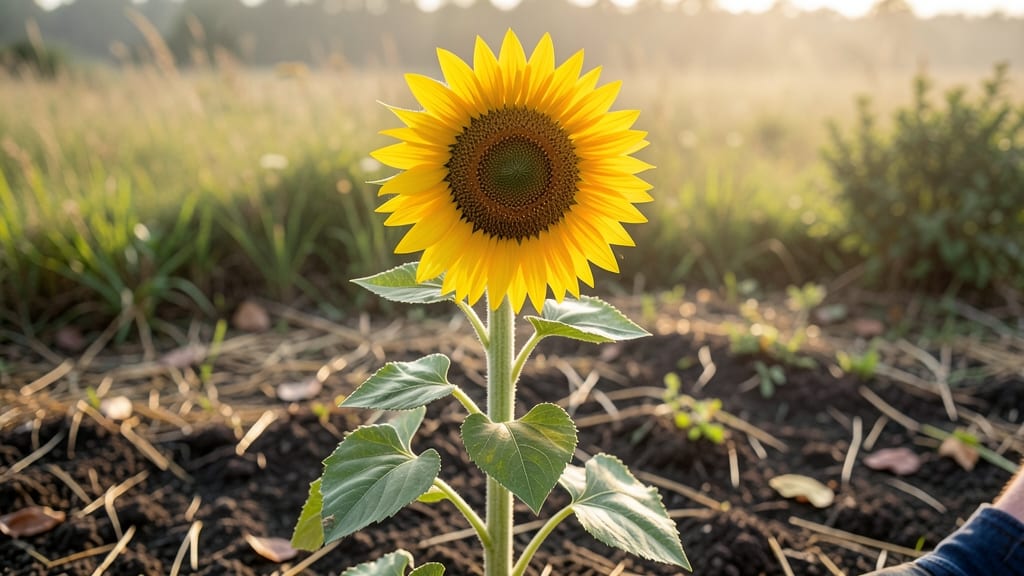
Sunflowers grow to heights that can range from just a few feet to towering giants reaching over your head 🌻 — and choosing the right variety for your space makes all the difference.
Picture this: a 3-foot "Teddy Bear" variety adding cheerful color to a patio planter, or a 16-foot "Russian Giant" standing sentinel in a sprawling backyard.
The height of sunflowers you select determines everything from spacing to support needs, and getting it wrong can mean flopping stems or wasted garden real estate.
In this guide, we’ll break down the exact height ranges for dwarf, medium, and giant varieties, plus the key factors that influence how tall your sunflowers grow — from soil nutrients to sunlight exposure.
Whether you’re working with limited space or dreaming of a sunflower grove, you’ll find the perfect fit for your garden.
You’ll also discover proven tips to maximize height (or control it) without sacrificing health, troubleshoot stunted growth, and pick the best varieties for your layout. Let’s get started!

Sunflower height ranges by variety type: dwarf to Giant
Sunflowers offer an incredible range of heights, from charming dwarf varieties perfect for containers to towering giants that can dominate your landscape. The height of sunflowers you choose directly impacts your garden's layout, support needs, and visual drama.
Whether you're working with a small balcony or a spacious backyard, understanding these variety-specific ranges helps you plan with confidence.
From the Teddy Bear sunflower—barely reaching your knees—to the Russian Giant that can surpass your roofline, each variety brings unique benefits. Some are bred for early blooming, while others prioritize maximum height or large seed production.
Let's explore how these heights translate into real-world gardening decisions and which varieties thrive in different spaces.
| Variety Type | Height Range | Mature Time | Best For |
|---|---|---|---|
| Dwarf (e.g., 'Teddy Bear', 'Puck') | 1-3 ft | 60-75 days | Containers, borders, cutting gardens |
| Semi-Dwarf (e.g., 'Moulin Rouge', 'Autumn Beauty') | 3-5 ft | 70-85 days | Cut flowers, pollinator gardens |
| Standard (e.g., 'ProCut', 'Sunray') | 5-8 ft | 80-90 days | Cutting, pollinators, small gardens |
| Giant (e.g., 'Russian Giant', 'Mammoth') | 10-16 ft | 90-120 days | Large landscapes, statement plants |
The dwarf varieties like 'Teddy Bear' are perfect for small spaces and containers, reaching just 1-3 feet tall. These sunflowers mature quickly—typically in 60-75 days—making them ideal for early-season color.
Their compact size also makes them easier to harvest seeds and maintain without support. If you're growing sunflowers in urban gardens or balconies, these varieties won't overwhelm your space.
For medium-height options, varieties like 'Moulin Rouge' (3-5 ft) strike a balance between manageability and impact. These sunflowers often produce double blooms and are excellent for cut flower arrangements. Their height makes them great for back-of-border plantings or as focal points in mixed beds.
With maturity times of 70-85 days, they offer a longer growing season compared to dwarfs.
When you need statement plants, standard varieties like 'ProCut' (5-8 ft) deliver dramatic height without requiring the massive space of giants. These sunflowers are bred for long stems and durable blooms, making them favorites for florists.
They thrive in open garden beds and can even be grown in large containers with proper support. Their 80-90 day maturity means they'll add summer-long interest to your landscape.
The giant sunflowers like 'Russian Giant' (10-16 ft) are the true showstoppers of the garden world. These varieties can grow taller than two-story houses and require ample spacing—at least 2 feet between plants—to avoid shading each other.
Their long 90-120 day maturity means they're best suited for late-summer gardens or as year-round focal points in warm climates. If you're growing these giants, plan for staking or trellising to prevent wind damage.
One key factor influencing the height of sunflowers is their growth pattern. Most sunflowers exhibit rapid vertical growth in their final weeks before flowering. This means that even dwarf varieties may appear taller than expected as they mature.
For example, a 'Teddy Bear' sunflower might start at just 1 foot but can grow an additional 1-2 feet in its final growth spurt. Always account for this late-season height gain when planning your garden layout.
Another consideration is how the height of sunflowers affects their pollination success. Taller varieties often attract more pollinators like bees and butterflies, thanks to their elevated nectar sources. However, dwarf varieties can be just as effective for pollinators if planted in clusters.
If you're growing sunflowers for seed production, taller varieties generally yield more seeds per head, but their lower seed density means you'll need fewer plants to achieve the same harvest quantity.
For container gardening, always choose dwarf or semi
How sunflower height affects garden planning and support needs
Sunflower height dramatically impacts your garden layout and care routine. A 3-foot dwarf variety like 'Teddy Bear' creates a whimsical border, while a 12-foot 'Russian Giant' demands serious space and structural support. Your sunflower's mature height determines everything from companion planting to wind resistance strategies.
Taller varieties need wider spacing—18-24 inches apart for giants—to prevent overcrowding and disease. Dwarf types can thrive in 12-inch spacing, making them perfect for containers or small gardens. Always check variety tags for specific spacing recommendations to avoid competition for nutrients.
Here’s how height affects your garden planning:
- ✅ Ideal for focal points or privacy screens
- ✅ Attracts pollinators from great heights
- ✅ Great for cutting flowers (long stems)
- ✅ Versatile for borders or mixed beds
- ✅ Lower support needs (often self-sufficient)
- ✅ Good for small gardens or containers
- ✅ Perfect for edging or fairy gardens
- ✅ No staking required (compact stems)
- ✅ Early bloomers (great for quick color)
- ⚠️ Tall varieties need staking in windy areas
- ⚠️ Dwarf types may need protection from heavy rain
- ⚠️ Overcrowding reduces airflow (increases disease risk)
Support needs vary dramatically by height. Sunflowers over 6 feet often require bamboo stakes or cages to prevent toppling, especially in windy climates. For giant varieties, use 3-foot stakes inserted at planting and tie stems loosely with soft fabric every 1-2 feet up the stem.
Height also dictates companion planting. Tall sunflowers cast deep shade, making them poor neighbors for shade-loving plants like ferns. Instead, pair them with short-lived annuals like marigolds or deep-rooted perennials such as lavender, which won’t compete for space or nutrients.
For small gardens, opt for semi-dwarf varieties like 'Autumn Beauty' (4-5 ft) that offer height without overwhelming your space. In large plots, mix heights—place tall varieties at the back and dwarfs in front—to create visual layers and maximize your garden’s impact.
Always consider your garden’s wind exposure. In breezy areas, even medium-height varieties may need support. Plant windbreaks like tall grasses or shrubs on the windward side to protect your sunflowers naturally.