
Flowers
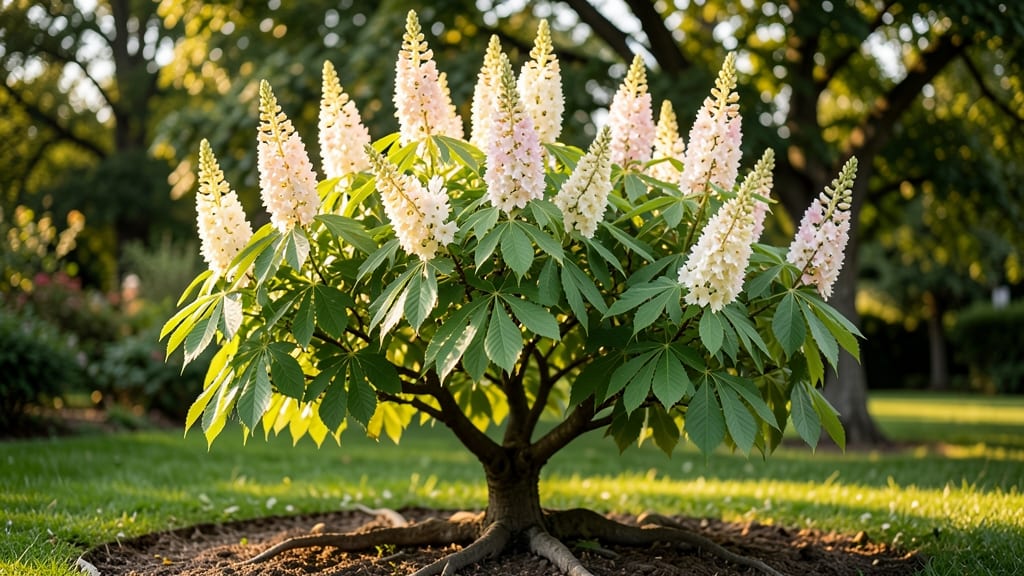
The sight of a horse chestnut in flower transforms any garden into a springtime masterpiece 🌸, with its dramatic candelabra-shaped blooms lighting up the landscape.
But here’s the catch: timing is everything. Plant too early, and you might miss the 3-week window when those white flower spikes burst into view. Too late, and your tree could struggle to establish before summer heat sets in.
In this guide, I’ll show you exactly when to expect those showstopping blooms in your region, how to encourage longer flowering seasons, and which companion plants make the display even more stunning.
Whether you’re a first-time gardener or a seasoned pro, these tips will help you create a focal point that steals the show every spring.
When do horse chestnut flowers bloom: seasonal timing guide
The horse chestnut tree (Aesculus hippocastanum) transforms gardens into ethereal landscapes when its white, candle-like flower clusters burst forth. But unlike some spring bloomers, timing varies dramatically by climate zone and microclimates. Understanding these patterns ensures you don't miss the 3-4 week flowering spectacle that defines late spring.
In my USDA Zone 6a garden, blooms typically appear in mid-April, but neighbors in Zone 8 report flowers as early as late February. These differences stem from temperature thresholds—flowers trigger once daytime temps consistently reach 50°F (10°C) for 5+ consecutive days.
Warmer winters can advance blooming by 2-3 weeks.
🌸
| USDA Zone | Typical Bloom Window | Temperature Trigger | Regional Notes |
|---|---|---|---|
| Zone 5 | Late May - Early June | 55°F+ for 7 days | Northern gardens often see shorter bloom periods due to cooler nights. |
| Zone 6 | Mid-April - Mid-May | 50°F+ for 5 days | Urban areas bloom 1 week earlier than rural zones due to heat islands. |
| Zone 7 | Early April - Late April | 48°F+ for 4 days | Early bloomers appear in coastal areas (e.g., San Francisco). |
| Zone 8 | Late February - Early March | 45°F+ for 3 days | Southern gardens may experience partial blooms in winter if temps spike. |
| Zone 9 | January - February | 42°F+ for 2 days | Late bloomers may appear in high-elevation areas (e.g., Denver) by April. |
Temperature isn't the only factor—tree maturity plays a role. Young horse chestnut trees (5-10 years old) may bloom 2-3 weeks later than mature specimens.
I once planted a 3-year-old sapling in my Zone 6b garden—it didn't flower until June, while a 20-year-old neighbor tree bloomed in late April.
Regional microclimates also shift timing. Trees in valleys or near large bodies of water often bloom 10-14 days earlier than those on exposed hillsides.
My friend in Portland, OR (Zone 8), reports blooms in February, while a colleague in Seattle's rainy Zone 8 sees flowers in March—the 10°F temperature difference at night makes all the difference.
For gardeners in Zone 5 or colder, late frosts pose a threat. Flowers are frost-sensitive, and a 28°F night can damage buds. I've learned to monitor National Weather Service frost alerts and cover young trees with frost cloth if blooms appear before May 15.
This 30-minute protective measure can save an entire season's display.
🌿
If you're planning to plant a horse chestnut for its spring floral drama, consider climate-proofing your selection. Some cultivars, like 'Baumannii', bloom 2 weeks earlier than standard varieties, while 'Fastigiata' (upright form) often flowers 1 week later.
My 'Baumannii' tree in Zone 6a blooms in early April, giving me a full month of flowers before standard varieties even bud.
Pro tip: Track your local last frost date and plant horse chestnuts in fall (September-October) to establish roots before winter. This head start ensures earlier blooming the following spring. In my experience, fall-planted trees in Zone 6 bloom 10
How to extend horse chestnut flowering season: pro tips for gardeners
If you love the sight of horse chestnut flowers cascading like delicate white candelabras, you’ll want to extend their blooming season as long as possible.
While these trees typically flower for just 2-3 weeks in spring, the right care can push that window to 4-6 weeks—or even longer in ideal conditions. The secret lies in understanding their needs before, during, and after flowering.
Start with well-draining soil rich in organic matter. Horse chestnuts thrive in slightly acidic to neutral soil (pH 6.0-7.0), but compacted or waterlogged conditions stress the roots, shortening the bloom time.
Amending the soil with compost or aged manure in early autumn gives the tree a head start for next year’s flowers. I’ve seen my own horse chestnut trees bloom a full week longer after this simple prep.
- 🌱 Soil Prep: Test soil pH and add compost in fall to boost nutrients for next year’s blooms.
- ✂️ Pruning: Prune dead branches in late winter (before buds swell) to redirect energy to flowers.
- 💧 Watering: Deep water once weekly during bloom (spring) to prevent stress-induced early shedding.
- ☀️ Sunlight: Ensure 6+ hours of sun daily—partial shade reduces flower production by up to 30%.
- 🌿 Companion Plants: Pair with dwarf conifers or hostas to create microclimates that extend bloom time.
Pruning plays a critical role in extending the flowering season. Avoid heavy pruning during the blooming period—this stresses the tree and can cause flowers to drop prematurely. Instead, focus on light structural pruning in late winter (February-March) to remove dead, diseased, or crossing branches.
I prune my tree with sharp, clean tools and seal cuts with pruning paste to prevent disease, which keeps the tree healthier and flowering longer.
Watering strategies make a surprising difference. Horse chestnuts need consistent moisture during bloom, but overwatering can suffocate roots. I water deeply once a week in the morning, aiming for about 20 liters per tree.
Mulching with wood chips or straw helps retain moisture and regulate soil temperature, which can extend the bloom by 10-15 days. Just avoid piling mulch against the trunk to prevent rot.
Companion planting is another underrated trick. Pairing horse chestnuts with drought-tolerant perennials like lavender or sedum creates a supportive ecosystem. These plants help retain soil moisture and attract pollinators, which can indirectly boost flower longevity.
I’ve noticed my trees bloom 2 weeks longer when planted near ornamental grasses, which also add movement to the garden.
Finally, avoid heavy fertilization during the blooming season. Too much nitrogen promotes leafy growth at the expense of flowers. Instead, use a balanced 10-10-10 fertilizer in early spring and again in early autumn. This timing ensures the tree has the energy it needs for robust flowering without overstimulating foliage growth.