
Size
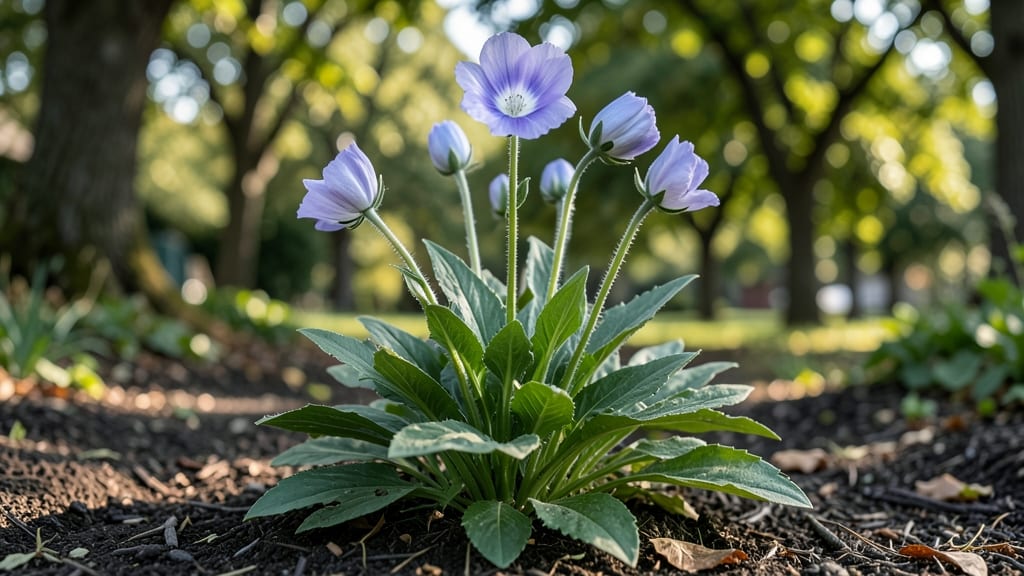
Balloon flowers grow between 1 and 4 feet tall—sometimes even taller—depending on the variety and how you care for them, making them a versatile pick for gardens of all sizes.
Picture this: you’ve just planted your 🌸 balloon flowers in early spring, and by summer, they’re either delicate border accents or towering stars in your backyard.
The difference? Variety and growing conditions. Some stay compact, perfect for containers, while others reach 5 feet, ideal for cutting gardens or as dramatic backdrops.
If you’re in USDA Zone 6a or warmer, these perennials thrive with minimal fuss—just full sun and well-draining soil. But did you know their size can double if you skip deadheading?
Or shrink if they’re crowded? We’ll break down the exact height ranges by type and how to control their growth so your garden stays balanced.
Ready to plan your space? Below, you’ll find the key measurements for popular cultivars, spacing tips, and whether to pair them with low growers or let them stretch for a bold statement. No more guessing—just perfect placement.
Balloon flower height ranges by variety: compact vs. tall cultivars
Balloon flowers (Platycodon grandiflorus) are one of those garden surprises that pack a punch in both beauty and size diversity. While many gardeners assume these plants stay small, some varieties can reach up to 5 feet tall—making them perfect for bold garden statements.
The key to planning your space lies in understanding each variety’s mature height range and growth habit, whether they form compact clumps or upright stalks.
For small gardens or containers, dwarf varieties like ‘Hidcote Blue’ stay under 18 inches tall, while standard types like ‘Sentimental Blue’ typically grow 3–4 feet tall. The difference often comes down to genetics and growing conditions, but knowing these ranges helps you avoid overcrowding or wasted space.
Let’s break down the most popular varieties and their growth patterns to help you choose the perfect fit for your garden.
| Variety | Mature Height | Spread | Growth Habit | Best For |
|---|---|---|---|---|
| ‘Sentimental Blue’ | 3–4 ft | 18–24 in | Upright, clumping | Cut flowers, borders |
| ‘Astra Double’ | 2–3 ft | 12–18 in | Compact, bushy | Containers, small gardens |
| ‘Marine Blue’ | 4–5 ft | 24–30 in | Tall, upright | Backdrop planting |
| ‘Hidcote Blue’ | 12–18 in | 12–16 in | Dwarf, clumping | Rock gardens, borders |
| ‘White Dawn’ | 3–4 ft | 20–24 in | Upright, spreading | Cottage gardens |
One of the most striking differences between balloon flower varieties is their blooming season. Early-season types like ‘Sentimental Blue’ start flowering in late spring, while late bloomers like ‘Marine Blue’ extend the show into early fall.
This timing can influence how you plan your garden’s vertical layers—pairing tall early bloomers with shorter late-season varieties creates a seamless transition of color.
If you’re working with limited space, dwarf varieties like ‘Hidcote Blue’ are ideal for rock gardens or container planting. Their 12–18 inch height makes them perfect for edging or filling gaps between larger plants.
Meanwhile, taller varieties like ‘Marine Blue’ can serve as dramatic backdrop plants, adding height to mixed borders or cottage-style gardens where vertical interest is key.
For gardeners who love cut flowers, taller varieties like ‘Sentimental Blue’ or ‘White Dawn’ produce long, sturdy stems that hold up well in arrangements. Their 3–4 foot height ensures they stand out in bouquets while maintaining a natural, wildflower charm.
Just be sure to space them 18–24 inches apart to prevent overcrowding, which can stunt growth and reduce flower production.
Another factor to consider is how balloon flowers spread horizontally. Most varieties have a 12–24 inch spread, but some, like ‘Astra Double’, stay more contained at 12–18 inches wide.
This makes them excellent for small-space gardening or container growing, where you want to maximize bloom density without sacrificing space for other plants.
When planning your garden layout,
Factors that affect balloon flower size: soil, sun, and pruning tips
Balloon flowers thrive when given the right growing conditions, and their height and bushiness can vary dramatically based on just a few key factors. The soil quality you plant them in directly impacts their root development, while sunlight exposure determines how tall and sturdy their stems become.
Even your pruning habits play a role in whether they grow leggy or compact. Let’s break down how each of these elements influences your balloon flowers’ size.
First, let’s talk soil fertility. Balloon flowers prefer well-draining, slightly acidic soil with a pH between 6.0 and 7.0. If your soil is too heavy or compacted, their roots struggle to expand, leading to stunted growth and smaller blooms.
Amending the soil with compost or organic matter before planting gives their roots the nutrients they need to support taller, stronger stems—especially for varieties like ‘Marine Blue’ that can reach 4 feet tall under ideal conditions.
Next, sunlight exposure is non-negotiable for maximizing size. Balloon flowers crave full sun (6+ hours daily), but too little light leads to weak, spindly stems and fewer blooms. In partial shade, they may grow shorter and bushier, which works well for smaller gardens but sacrifices height.
For example, ‘Sentimental Blue’ will stay closer to 2–3 feet in partial shade but can easily top 3.5 feet with full sun exposure. Place them in the sunniest spot in your garden to encourage their full potential.
Don’t overlook the impact of pruning and deadheading. Regularly removing spent blooms—called deadheading—encourages the plant to produce more flowers and can extend the blooming season by several weeks. However, over-pruning can weaken the stems, especially in taller varieties.
For bushier growth, pinch back the tips of young plants early in the season. If you’re growing balloon flowers for cut flowers, avoid heavy pruning to maintain their height and structural integrity.
🌱 Key Takeaway: Ideal Growing Conditions for Maximum Size
| Factor | Specification |
|---|---|
| Soil Type | Well-draining, slightly acidic (pH 6.0–7.0) |
| Sunlight | 6+ hours of full sun daily |
| Spacing | 12–18 inches apart (prevents overcrowding) |
| Pruning | Minimal for tall varieties; deadhead regularly |
| Fertilizer | Balanced 10-10-10, every 4–6 weeks |
💡 Pro Tip: Mulch around the base to retain moisture and prevent weeds, which helps roots thrive and supports taller growth.
One common mistake gardeners make is overcrowding their balloon flowers. When plants are too close together, they compete for nutrients and sunlight, resulting in shorter, weaker stems and fewer blooms.
Space them 12–18 inches apart to give their roots room to grow and their stems room to reach their full height. If you’re growing them in containers, choose larger pots (at least 12 inches wide) to avoid root-bound stress.
Finally, remember that consistent care pays off. Balloon flowers are hardy perennials, meaning they’ll come back year after year if given the right conditions. With well-draining soil, full sun exposure, and thoughtful pruning, you can coax even the tallest varieties—like ‘Astra Double’—to reach their full 4-foot potential.
Experiment with different varieties and conditions to see how they perform in your garden, and don’t forget to enjoy the process! 🌸