
Planting
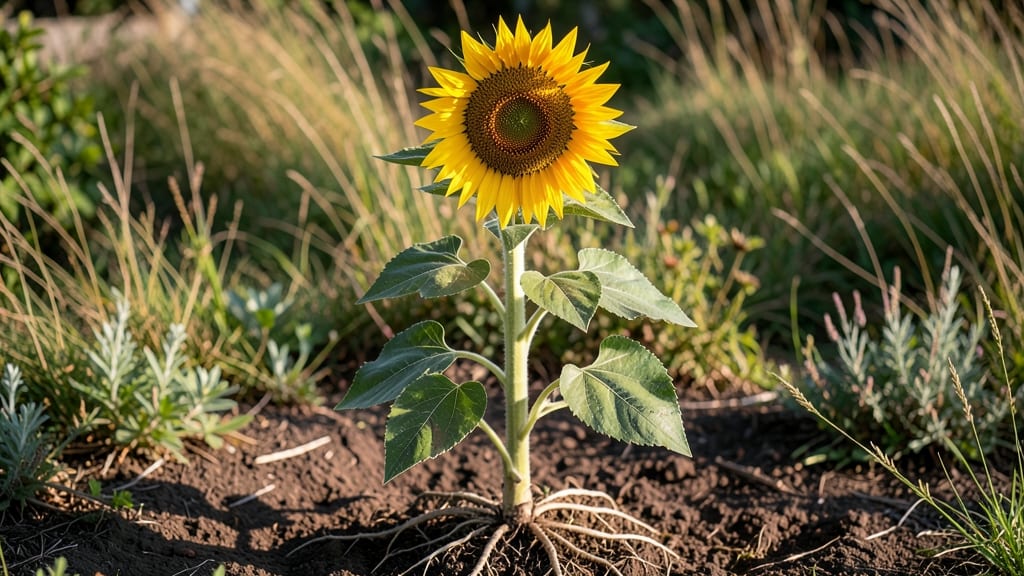
Sunflower roots can grow 3 to 5 feet deep—far deeper than most gardeners realize—and that depth is the secret to their towering strength and drought resistance.
Picture this: your 6-foot-tall sunflower 🌻 swaying in a summer breeze, yet its roots are anchored like a skyscraper’s foundation. That’s because sunflower roots don’t just spread wide; they dive deep, seeking moisture and nutrients where others can’t reach.
But here’s the catch: planting too shallow or in heavy soil can stunt those roots, leaving your sunflowers wobbly or stunted. The right depth isn’t just about stability—it’s about how well your plants access water, nutrients, and even fight off pests.
In this guide, I’ll break down exactly how deep sunflower roots go by variety, how soil type changes the game, and the simple tweaks that ensure your sunflowers grow strong from the ground up.
Sunflower root depth by variety: exact measurements and growth patterns
Sunflowers develop deep taproots that can reach impressive depths, often surprising gardeners who focus only on their towering stems. The root depth varies significantly by variety, with some dwarf types barely reaching 12 inches while giant varieties like Russian Giant can plunge roots 6 feet or deeper.
This variation directly impacts your planting strategy, watering routine, and even soil preparation.
Most sunflowers develop a primary taproot with secondary fibrous roots branching out, creating a sturdy anchor system. The taproot penetrates vertically, while fibrous roots spread horizontally to absorb nutrients.
Understanding these patterns helps you avoid common mistakes like planting too shallow or overcrowding, which can stunt root growth and reduce yields.
Here’s how genetics play a role: Tall varieties like Mammoth and Russian Giant prioritize vertical growth for stability, while dwarf varieties focus on compact root systems. Even within the same species, soil conditions can influence root depth by 20-30%, making loose, well-draining soil ideal for deeper penetration.
For gardeners in windy regions, deeper roots mean more wind resistance. In my own garden, I’ve noticed that Russian Giant sunflowers stand firm even in 30 mph gusts, thanks to their extensive root systems.
Meanwhile, dwarf varieties like Teddy Bear remain stable but with shallower roots, making them better for container gardening.
Now, let’s break down the exact root depths by variety in this comparison table to help you choose the right type for your space and soil.
The Russian Giant variety stands out with its 4–6 foot roots, making it ideal for stabilizing soil in windy areas or creating natural windbreaks. Its deep taproot allows it to access water deep underground, reducing the need for frequent watering once established.
If you’re growing this variety, aim to plant seeds 1 inch deep in loose soil to encourage downward growth.
For dwarf varieties like Teddy Bear or Sunspot, shallower roots (12–18 inches) mean they’re better suited for containers or small gardens. These types rely more on frequent, shallow watering to keep their fibrous root systems hydrated.
I’ve found that adding compost to container soil helps retain moisture without waterlogging, which can rot shallow roots.
When selecting a variety, consider your soil type. Clay soil can restrict root growth, while sandy soil may require extra watering to support deeper roots.
Amending your soil with organic matter like compost or aged manure can improve root penetration by up to 40%, especially for varieties like Mammoth that need deeper anchoring.
Another key factor is spacing. Tall varieties with deep roots need 2–3 feet between plants to avoid root competition, while dwarf types can thrive with 12–18 inches of space. Proper spacing ensures roots have room to expand without crowding, which can lead to stunted growth or disease.
If you’re growing sunflowers for seed production, deeper-rooted varieties like Russian Giant will yield larger, more robust seeds because they access more nutrients and water. In contrast, dwarf varieties produce smaller seeds but are perfect for quick harvests or small-scale seed saving.
To encourage deeper root growth, avoid disturbing the soil around the base of young plants. Overwatering or compacting soil can force roots to grow horizontally instead of vertically.
I’ve had the best success with drip irrigation placed at the base of the plant, which delivers water directly to the roots without wetting the foliage—reducing the risk of fungal issues.
Finally, remember that sunflowers are annuals, so their root systems focus on rapid growth during the growing season. By understanding these patterns, you can tailor your planting and care routine to maximize root development, leading to healthier, more resilient plants—no matter the variety.
How soil type affects sunflower root depth: loose vs. compacted soil
Sunflowers develop deep taproots that can reach 3-5 feet into the soil, but their growth is heavily influenced by soil type. Loose, well-aerated soil allows roots to penetrate easily, while compacted or heavy clay soil restricts depth and stunts growth.
Understanding these differences helps you adjust planting techniques for healthier plants.
In sandy soil, sunflower roots grow quickly but may not reach maximum depth due to poor water retention. The loose particles offer little resistance, but roots can dry out faster, requiring more frequent deep watering.
Meanwhile, clay soil becomes compacted when wet, creating a barrier that forces roots to spread horizontally rather than downward.
Loamy soil strikes the perfect balance—it retains moisture while allowing roots to expand freely. This ideal texture supports optimal root depth and nutrient absorption, leading to stronger stems and larger flower heads.
If your soil leans toward clay or sand, amendments like compost or organic matter can improve structure and drainage.
🌱 Sunflower Root Depth by Soil Type
For loose soil, plant seeds 1 inch deep and space them 6 inches apart to encourage downward growth. In compacted areas, consider breaking up the soil with a garden fork before planting.
This simple step can double root penetration and improve stability, especially for tall varieties like Mammoth sunflowers.
Watering plays a crucial role in root development. In loose soil, water deeply every 3-5 days to encourage roots to seek moisture below the surface. Compacted soil, however, may require more frequent but lighter watering to avoid waterlogging.
Always water at the base of the plant to protect leaves from fungal diseases.
If your garden has heavy clay soil, mix in compost or aged manure before planting to improve structure. This amendment loosens the soil over time, allowing roots to explore deeper layers.
For sandy soil, adding organic matter helps retain moisture, giving roots the stability they need to grow strong and deep.
By tailoring your approach to your soil type, you’ll help sunflowers develop the deep, robust roots they need to thrive. Healthy roots mean better nutrient uptake, stronger stems, and bigger blooms—making your gardening efforts truly rewarding! 🌻