
Flowers
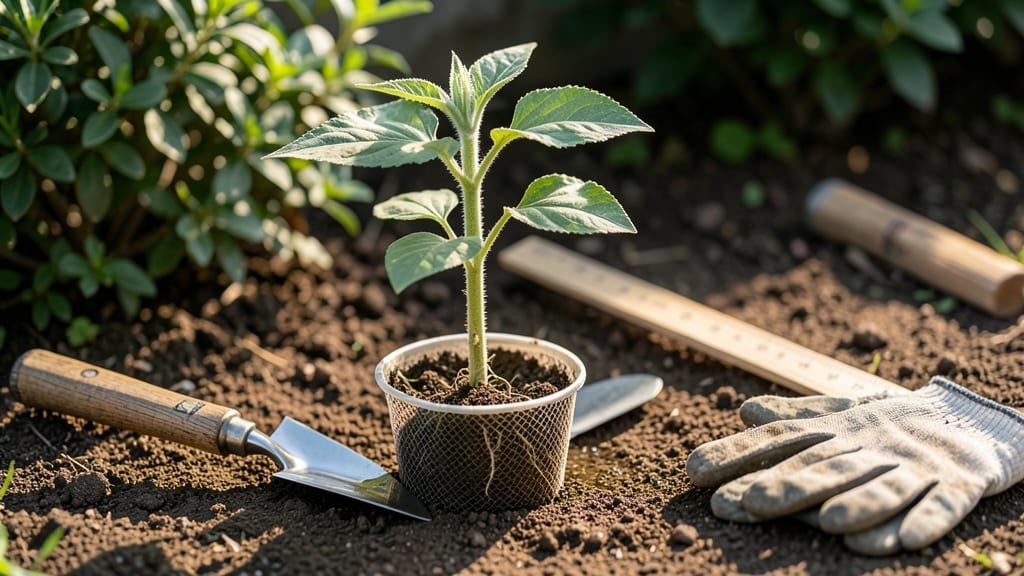
Optimal sunflower transplanting depth by seedling age and variety
Getting the transplanting depth right for your sunflowers is the difference between a thriving 10-foot giant and a stunted 3-foot shrub. Sunflower seedlings have delicate root systems that need proper soil coverage to establish strong anchors for their towering growth.
The depth you plant depends on three key factors: seedling age, variety type, and soil composition. Let’s break down the science behind these variables so you can transplant with confidence.
Most gardeners assume "deeper is better," but burying sunflower stems too deep can cause stem rot, while planting them too shallow leaves them vulnerable to toppling in wind or storms. The optimal depth ensures the root collar (where roots meet stem) sits just below the soil surface.
For 2-4 week old seedlings, this typically means 1-2 inches of soil coverage above the root flare, but adjustments are needed based on your specific sunflower type.
Here’s the critical rule: Giant varieties (like 'Mammoth' or 'Russian Giant') need slightly deeper planting—about 2 inches of soil—to support their massive weight, while dwarf varieties (such as 'Teddy Bear' or 'Sunspot') thrive with just 1 inch of coverage.
This difference prevents stem breakage in tall varieties while allowing dwarf types to develop sturdy roots without suffocation.
Your soil type plays a surprisingly large role in transplanting depth. In sandy soil, which drains quickly, you can plant slightly deeper (1.5-2 inches) because the roots won’t suffocate. However, in clay soil, where water pools, reduce depth to 0.75-1.5 inches to prevent root rot.
Always loosen the soil around the roots when transplanting to encourage faster establishment—this is especially critical for clay-heavy soils.
Did you know that transplanting depth directly impacts flowering time? Sunflowers planted too deep may take 10-14 extra days to flower because their energy goes into breaking through compacted soil rather than developing blooms. Conversely, shallow planting can cause stem instability, leading to early wilting.
Aim for the middle ground by matching depth to your sunflower’s stem thickness—thicker stems (like those of 'Mammoth' varieties) need more support, while thinner stems (like 'Sunspot') can handle shallower depths.
When handling 2-3 week old seedlings, focus on the root collar—the swollen area where roots meet the stem. This should sit just below the soil line after transplanting. For older seedlings (4+ weeks),
Step-by-step transplanting process for maximum root growth
Transplanting sunflowers requires precision to avoid shocking their delicate roots. The key is handling seedlings with care while ensuring the right soil depth for strong establishment. Even a slight miscalculation can delay flowering or weaken your plants—so let’s break this down step by step.
Before you begin, gather your tools: a trowel, garden gloves, and a small bucket of water. Work on a cloudy day or in the early morning to reduce stress on your seedlings. Sunflowers are tough, but proper transplanting sets the stage for their impressive growth.
Dig a hole twice as wide as the root ball but only 1 inch deeper than the seedling’s current soil level. Loosen the sides with your fingers to encourage root spread.
Remove the seedling from its container, supporting the stem near the base. Avoid gripping the leaves or stems. If roots are circling, gently tease them apart with your fingers.
Place the seedling in the hole so the top of the root ball sits level with the soil surface. Never bury the stem—this causes rot. For dwarf varieties, you can plant slightly deeper (½ inch), but standard types must stay shallow.
Fill the hole with soil, pressing lightly to remove air pockets. Use a 50/50 mix of native soil and compost for nutrients. Water immediately to settle the soil and eliminate gaps.
Apply 1-2 inches of mulch around the base (but not touching the stem) to retain moisture. Water deeply once a week for the first month, focusing on the root zone.
Common mistakes like burying the stem or disturbing roots can set your sunflowers back by weeks. Always inspect the root ball before planting—if it’s tangled, gently straighten the roots without breaking them. Sunflowers are forgiving, but precision now means bigger blooms later!
After transplanting, keep an eye on your seedlings for signs of stress, like wilting or yellowing leaves. If you notice these, adjust your watering or check for pests. With the right depth and care, your sunflowers will reward you with vibrant blooms in as little as 60 days. 🌻