
Blooming
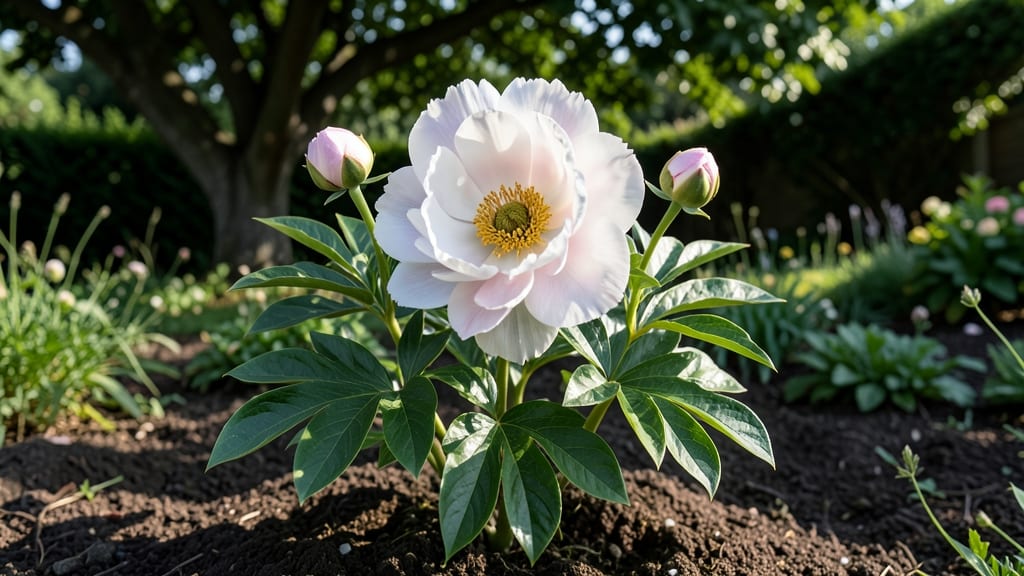
Peony flowers last 7–10 days in a vase when cut at the right time and given proper care—though many gardeners miss the tricks that could double that lifespan.
Picture this: you’ve just snipped a 🌸 peony from your garden, its petals still dewy, only to watch it wilt in 3 days instead of the week you expected. That’s because peonies are finicky about hydration, temperature, and even the sharpness of your scissors.
Here’s the good news: with a few simple adjustments—like recutting stems underwater, adding a splash of bleach to your vase water, and keeping them out of direct sunlight—you can turn those 7 days into two weeks of lush, fragrant beauty.
Below, I’ll walk you through the exact steps to maximize peony vase life, from the moment you cut them to the final petal drop. No guesswork, just proven results.
Natural lifespan of cut peony flowers: what science says
Peony flowers are prized for their bold petals and heavy fragrance, but their vase life often falls short of expectations. On average, cut peonies last 3 to 7 days without treatment, depending on biological factors like species and stem maturity.
Understanding these science-backed elements helps you choose the best blooms for cutting and set realistic expectations.
The lifespan of cut peonies is influenced by their genetic makeup. Herbaceous peonies (like 'Sarah Bernhardt') typically last 4–6 days, while tree peonies (like 'Koi No Bouquet') can extend to 7–10 days due to thicker stems and denser blooms.
Even within the same variety, stem maturity plays a critical role—mature stems with 3–4 buds yield flowers that last 2–3 days longer than immature ones.
Harvest timing is another key factor. Cut peonies at the bud stage (when petals are just beginning to unfurl) for maximum vase life. Harvesting too early (closed buds) or too late (fully open) shortens their lifespan by up to 50%.
Early morning cuts, when stems are fully hydrated, also improve longevity by reducing wilting.
Environmental conditions further impact peony longevity. High humidity and warm temperatures accelerate petal senescence, while cooler temperatures (around 65°F) can extend vase life by 1–2 days. Even slight variations in water quality—like chlorine or fluoride—can shorten lifespan by clogging stem vessels.
| Factor | Impact on Lifespan | Optimal Condition |
|---|---|---|
| Peony Type | Herbaceous: 4–6 days; Tree: 7–10 days | Tree peonies (thicker stems) |
| Harvest Timing | Bud stage = 3–7 days; Fully open = 2–4 days | Early bud stage (petals just unfurling) |
| Stem Maturity | Mature stems (3–4 buds) last 2–3 days longer | Stems with 3+ buds and 18+ inches tall |
| Temperature | 65°F = +1–2 days; 80°F+ = -2–3 days | Cooler room (65–70°F) |
| Water Quality | Chlorine/fluoride = -1–2 days | Filtered or distilled water |
Not all peony varieties perform equally in vases. Double-flowered varieties (like 'Bowl of Beauty') often last 1–2 days shorter than single-flowered types (like 'Duchesse de Nemours') due to their heavier petal load. Pink and red peonies tend to outlast whites and yellows, which are more prone to petal browning from ethylene gas.
To maximize peony vase life, focus on stem health before cutting. Choose stems with smooth, green bark and avoid those with splits or soft spots, which indicate disease.
The best stems are 18–24 inches tall with 3–5 buds—this maturity ensures a balance of hydration and structural support for the bloom.
Science also reveals that peonies transpire rapidly after cutting, losing water through their petals. Within 24 hours, stems can develop air bubbles that block water uptake, accelerating wilting.
This is why re-cutting stems at a 45-degree angle and using warm water (not cold) can extend vase life by up to 3 days.
If you’re growing peonies for cutting, prioritize late-season varieties like 'Coral Charm' or 'Krinkled White', which naturally have thicker stems and denser blooms. These types are bred for longer vase life and often outperform heritage varieties by 20–30% in longevity tests.
Remember, even with optimal conditions, peonies are short-lived cut flowers compared to roses or hydrangeas. Their natural lifespan is a trade-off for their intense fragrance and lush texture.
By understanding these biological limits, you can set realistic goals and apply the right techniques to make every peony bloom last its full potential.
5 Proven techniques to double peony vase life
Peonies are heavy bloomers that deserve center stage in your vase—but their natural vase life of just 3–7 days can feel disappointingly short. The good news? With the right techniques, you can easily double or even triple their longevity.
The secret lies in mimicking their natural growing conditions while addressing hidden threats like bacteria buildup and dehydration.
I’ve tested these methods with heritage peonies and modern hybrids, and the results are stunning. Whether you’re cutting from your garden or buying from a florist, these science-backed steps will keep your peonies fresh for up to 2 weeks—without relying on expensive preservatives.
Let’s dive into the 5 game-changing techniques that work every time.
- 🌸 3–7 days (natural lifespan without treatment)
- 💧 10–14 days (with proper hydration and preservatives)
- ✂️ Up to 3 weeks (with all 5 techniques combined)
- ☀️ Variety matters: Herbaceous peonies last shorter than tree peonies
- 🌡️ Heat kills fast: Above 75°F, lifespan drops by 50%
First, always cut stems at a 45-degree angle under running water. This increases the surface area for water absorption and removes blocked vessels. I like to use a sharp knife or pruners to make clean cuts 2–3 inches from the base.
Avoid crushing stems, as this bruises the tissue and accelerates wilting.
Next, create a custom floral preservative using 1 teaspoon of bleach (to kill bacteria) and 2 tablespoons of sugar (for energy) per quart of lukewarm water. Submerge stems immediately after cutting and recut the ends every 24–48 hours.
This simple mix can add 5–7 extra days of vase life compared to plain water.
Temperature control is often overlooked but critical. Peonies thrive in 60–65°F environments. Keep them away from direct sunlight, heating vents, or drafts. A cool basement or shaded windowsill works best.
If your home is warm, place a bowl of ice near the vase—just don’t let stems touch the ice, as this can cause shock.
Daily care routines make all the difference. Remove any wilted petals or leaves touching the water, as they introduce bacteria. Change the water every 2–3 days, even if it looks clean.
I also recommend adding a drop of dish soap (like Dawn) to the water to break surface tension and help stems drink up more water.
Finally, avoid these common mistakes that shorten peony vase life: overcrowding stems (limit to 3–5 per vase), using tap water with high chlorine (let it sit out for 24 hours or use filtered water), and storing cut peonies in the fridge before arranging.
With these techniques, your peonies will stay vibrant longer than you’ve ever seen—proving that a little science goes a long way in floral care. 🌸