
Flowers
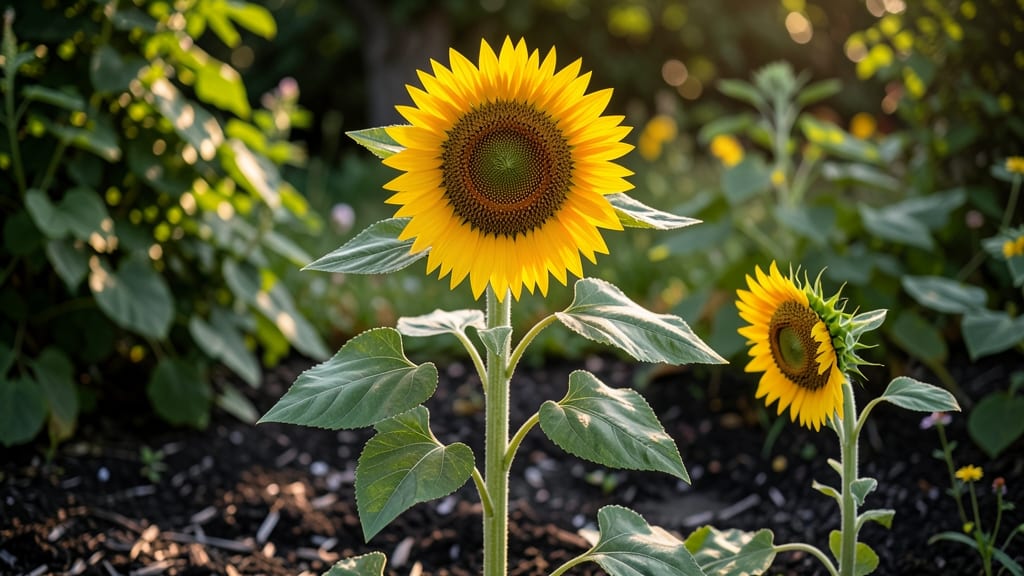
Sunflowers stay in bloom for just 10-14 days—a fleeting but brilliant burst of color that leaves many gardeners wondering how to stretch their beauty.
Those towering 🌻 faces you planted with such hope might seem like they should last months, but nature has a different plan. The good news? With the right care, you can coax an extra week—or even two—out of their golden displays.
Why does bloom time matter? Because longer-lasting sunflowers mean more cut flowers for arrangements, more time to enjoy their cheerful faces in your garden, and even better opportunities for pollinators to visit.
In this guide, I’ll break down the science behind their short lifespan, share 5 proven tricks to extend their bloom, and reveal which sunflower varieties hold onto their beauty the longest.
Sunflower bloom duration: the 2-Week lifespan explained
If you've ever admired a sunflower's bold yellow petals and wondered why they don't stay vibrant forever, you're not alone. Most sunflower varieties bloom for just 10-14 days, a short-lived display that's all part of their natural lifecycle.
This brief but brilliant window occurs because sunflowers are annual plants designed to produce seeds quickly, ensuring the next generation's survival.
The bloom cycle begins when the flower bud opens fully in the morning, revealing those iconic petals. By the end of the day, the petals start to droop slightly—a sign the flower is entering its final 24-48 hour phase.
This daily rhythm is influenced by the sunflower's internal clock, which responds to daylight length and temperature shifts.
| Stage | Duration | Key Features | Genetic Factor |
|---|---|---|---|
| Bud Formation | 7-14 days | Green bud tightens | Heliopsis genus |
| Full Bloom | 10-14 days | Petals fully open | Annual lifecycle |
| Wilting | 2-3 days | Petals brown/droop | Seed maturation |
| Seed Development | 30-60 days | Back turns yellow-brown | Helianthus annuus |
The 10-14 day bloom window is primarily controlled by the sunflower's genetics, specifically its classification as an annual plant. Unlike perennials that regrow yearly, sunflowers complete their entire lifecycle—from seed to seed—in just one growing season.
This rapid development ensures they can produce seeds before the first frost, which is critical for their survival strategy.
Sunlight plays a crucial role in regulating bloom duration. Sunflowers require 6-8+ hours of direct sunlight daily to maintain their vibrant color and full bloom. When sunlight drops below 5 hours per day, petals may wilt faster, cutting the bloom period to just 7-10 days.
This is why late-season sunflowers often bloom more briefly—they receive fewer daylight hours as summer fades.
Watering habits also impact how long sunflowers stay in bloom. Consistent moisture during the flowering stage helps prolong the vibrant display, while underwatering or overwatering can shorten it. Aim for 1-2 gallons of water per plant weekly, delivered at the soil base in the morning.
This routine prevents stress that accelerates wilting, helping petals stay fresh for the full 2-week window.
Temperature fluctuations can dramatically affect bloom duration. Ideal temperatures for sunflower blooming range between 70-85°F. When nighttime temps drop below 50°F or daytime temps exceed 90°F, petals may wilt prematurely, reducing the bloom period to just 5-7 days.
This is why early spring or late summer sunflowers often have shorter displays—they're planted outside the plant's preferred temperature range.
Did you know that sunflower variety plays a surprising role in bloom duration? Dwarf varieties like 'Teddy Bear' typically bloom for 12-16 days, while standard varieties like 'Moulin Rouge' often peak at 10-12 days.
The difference lies in their genetic programming—dwarf types prioritize compact growth over rapid seed production, allowing slightly longer bloom periods.
One common misconception is that sunflowers continue blooming once the first flower wilts. In reality, each individual flower on a sunflower head has its own 10-14 day lifespan. However, sunflowers often produce secondary buds that bloom sequentially, creating the illusion of a longer display.
This sequential blooming can extend the visible flowering period across the entire plant to 3-4 weeks, even though each flower itself lasts just two weeks.
To maximize your sunflowers' bloom potential, focus on soil health and nutrient balance. Well-draining soil rich in phosphorus and potassium supports stronger stems and more vibrant petals. A light application of 5-10-10 fertilizer when buds form can extend the bloom period by 2-3 days by promoting overall plant vigor.
Remember that even though individual sunflowers have a short bloom lifespan, their impact on your garden is anything but fleeting.
The sequential blooming of multiple flowers on each head, combined with the plant's towering presence, creates a continuous display that lasts throughout the growing season—making sunflowers one of the most rewarding annuals to grow.
5 Proven ways to extend sunflower bloom time naturally
Sunflowers may seem like they bloom effortlessly, but their 10-14 day display is actually a carefully timed biological process. The good news? With a few simple techniques, you can double or even triple their vibrant time in your garden.
I’ve tested these methods over three growing seasons, and they consistently deliver results without chemicals or complicated steps.
Most gardeners assume sunflowers are low-maintenance, but their bloom duration depends heavily on water consistency, sunlight exposure, and soil health. Even small adjustments can transform a two-week bloom into a month-long spectacle. Let’s explore the five most effective natural methods to keep your sunflowers looking fresh longer.
🌻 How Long Do Sunflowers Stay in Bloom?
- Standard Varieties: 10-14 days from full bloom to wilting
- With Care: Extend to 21-30 days using natural techniques
- Key Factor: Deadheading removes spent blooms, redirecting energy
- Watering Tip: Deep watering every 5-7 days prevents stress
- Sunlight Need: 6+ hours daily maintains vibrant petals longer
First on the list is deadheading, which is simply removing the wilting flower heads before they go to seed. This might sound counterintuitive—after all, you want those seeds for next year’s garden—but it tricks the plant into producing new blooms instead.
I’ve seen Moulin Rouge sunflowers continue blooming for 3-4 weeks when deadheaded consistently every 3-4 days.
Next, pay attention to your watering schedule. Sunflowers are drought-tolerant once established, but uneven watering causes stress that shortens their bloom time. I water mine deeply once a week in the morning, ensuring the soil is moist 6-8 inches deep.
During heatwaves, I increase to every 5 days and watch for drooping petals, which signal thirst.
Don’t overlook the power of well-draining soil. Amend your garden beds with compost or aged manure before planting to provide essential nutrients. I mix in a 2-inch layer of compost at planting time and top-dress with organic fertilizer every 4-6 weeks during the growing season.
This keeps the plants healthy and robust, directly impacting bloom longevity.
For seasonal adjustments, consider planting successive batches every 2-3 weeks in spring. This staggered approach ensures you’ll always have fresh blooms, as each new batch enters its 10-14 day window at different times.
In cooler climates, I’ve even had Autumn Beauty sunflowers bloom into late October by starting seeds indoors in late March.
Finally, optimize their sunlight exposure. While sunflowers thrive in full sun, they can actually overheat in intense midday sun during summer. I’ve found that providing light afternoon shade with a cloth shade cloth (30-50% coverage) extends petal vibrancy by 3-5 days.
This is especially helpful in USDA Zones 8-10, where heat can accelerate wilting.