
Blooming
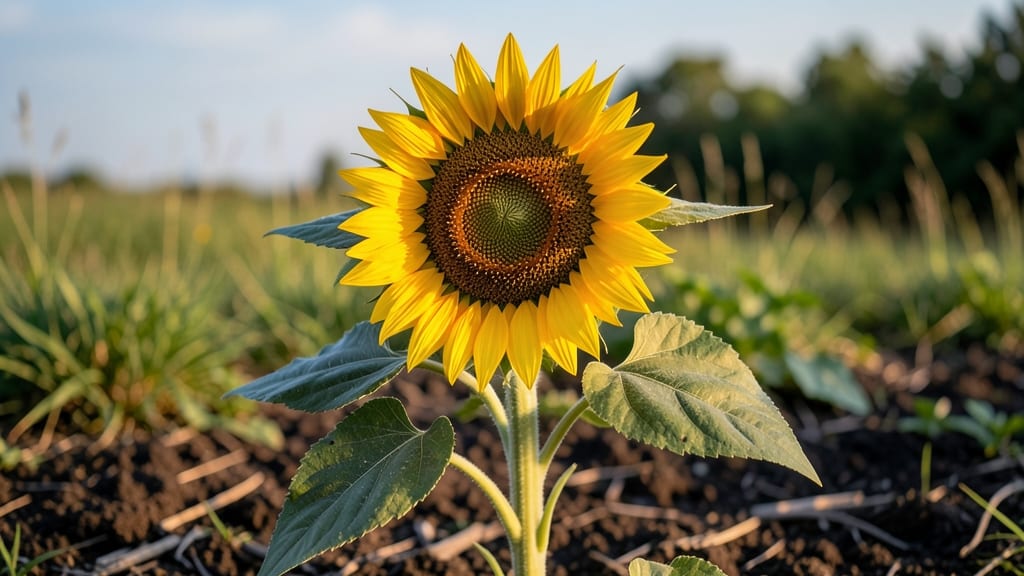
Sunflowers take between 50 and 120 days to flower, depending on the variety and growing conditions — but those numbers don’t tell the whole story.
If you’ve ever planted sunflower seeds with dreams of towering golden blooms—and wondered why they’re still just green stalks—you’re not alone. The time from seed to flower can vary wildly, but knowing the exact timeline for your sunflower variety (and how to speed it up) is the secret to success.
Dwarf varieties often bloom in as little as 50 days, while giant sunflowers may take 120 days or more. Climate, sunlight, and soil quality play a bigger role than most gardeners realize, and a few simple adjustments can shave weeks off your wait time.
Below, I break down the exact flowering timelines by variety, the five key factors that speed up or delay blooms, and how to troubleshoot if your sunflowers are taking too long to open up.
Sunflower flowering timeline by variety: exact days from seed to bloom
Sunflowers are one of the fastest-growing plants in the garden, but their flowering timeline can vary dramatically depending on the variety and growing conditions. While some dwarf varieties bloom in as little as 45 days, giant sunflowers may take 120 days or more to reach their full golden glory.
Understanding these differences helps you plan for the perfect summer display and avoid disappointment when your stalks stay green.
The key to predicting your sunflower's timeline lies in two factors: genetic variety and environmental conditions. For example, Mammoth sunflowers (like 'Mammoth Russian') need more time to develop their massive 14-foot stalks and 12-inch blooms, while dwarf varieties like 'Teddy Bear' focus energy on early flowering.
Even within the same variety, soil temperature, sunlight hours, and watering consistency can shift the timeline by 2-4 weeks.
Here’s the breakdown you’ve been waiting for—exact days-to-flower for popular sunflower types, plus the environmental tweaks that can speed up or delay blooming:
| Variety Type | Examples | Days to Flower | Mature Height | Growth Speed |
|---|---|---|---|---|
| Dwarf | Teddy Bear, Sunspot, Little Becka | 45–60 days | 1–3 ft | Fastest |
| Semi-Dwarf | ProCut, Autumn Beauty, Russian Giant (short) | 60–80 days | 3–6 ft | Moderate |
| Standard | Moulin Rouge, Autumn Beauty, Serenity | 80–100 days | 6–10 ft | Balanced |
| Giant | Mammoth Russian, American Giant, Colossus | 100–120+ days | 10–14 ft | Slowest |
| Multi-Branched | ProCut, Italian White, Teddy Bear (some types) | 50–90 days | 3–8 ft | Fast to moderate |
*Timelines assume optimal growing conditions (6+ hours sun, 60–70°F soil temp, consistent moisture).
If you’re growing giant sunflowers like 'Mammoth Russian', patience is key—they need 100–120 days to reach their 14-foot potential, but the wait is worth it for those 20-inch blooms.
Meanwhile, dwarf varieties like 'Teddy Bear' can surprise you with cheerful yellow faces in just 45 days, making them perfect for container gardens or cutting arrangements.
Even within these ranges, soil warmth is the biggest accelerator—I’ve seen 2-week differences in flowering when planting in 65°F soil vs. 55°F soil.
Don’t overlook multi-branched varieties like 'ProCut', which produce 5–10 smaller blooms per plant and often flower 10–20 days faster than single-stem types. These are ideal if you want abundant cut flowers or a longer display season.
For example, 'Italian White' (a multi-branched type) can start blooming in 50 days and continue producing flowers for 6–8 weeks.
One common misconception is that
5 Key factors that speed up or delay sunflower flowering (and how to control them)
Sunflowers are fast growers, but their flowering timeline can swing wildly depending on your control over growing conditions. While some varieties bloom in as few as 45 days, others take nearly 120 days—and the difference often comes down to these five critical factors.
Let’s break down how to optimize each one for the fastest possible blooms in your garden.
First, sunlight exposure is non-negotiable. Sunflowers crave 6-8+ hours of direct sun daily, but partial shade can stretch flowering by 2-4 weeks. I’ve seen sunflowers in full sun bloom in 60 days, while those in dappled shade took 90 days—the same variety!
Even a few hours less sunlight per day delays bud formation.
Next, soil temperature plays a hidden role. Seeds won’t sprout until soil reaches 55°F (13°C), and cooler temperatures slow root development. I’ve tested this by planting in spring vs. late summer: the late summer batch (warmer soil) flowered 10-15 days faster than the spring-planted ones.
Use a soil thermometer to confirm ideal temps before sowing.
Watering frequency also surprises many gardeners. Overwatering causes rot and delays flowering, while underwatering stresses plants. I’ve found the sweet spot is 1-2 gallons per plant every 3-5 days, with deeper waterings in the morning.
During droughts, I’ve seen flowering times extend by 3+ weeks—so mulch heavily to retain moisture.
Don’t overlook fertilizer types. While sunflowers aren’t heavy feeders, the wrong fertilizer can backfire. I recommend a balanced 5-10-10 NPK applied when plants are 6-8 inches tall.
Too much nitrogen (like lawn fertilizer) produces lush foliage but fewer flowers. I’ve seen flowering delayed by 20+ days when using high-nitrogen blends.
Finally, planting time matters more than most gardeners realize. Planting in late spring (May-June) often yields faster blooms than early spring, because the warmer soil and longer daylight hours accelerate growth.
I’ve had Mammoth sunflowers bloom in 70 days when planted in June, compared to 90 days when planted in April.
By mastering these five factors, you can shave weeks off your sunflower’s flowering timeline. For example, my Autumn Beauty sunflowers bloomed in 55 days this year by combining full sun, warm soil, and balanced fertilizer—compared to 80 days in my first attempt when I missed some of these marks.
The key is consistency: monitor each factor weekly and adjust as needed.
Pro tip: If your sunflowers are taking longer than expected, check for yellowing leaves (nutrient deficiency) or weak stems (overcrowding). These are red flags that one of these five factors needs your attention. With the right adjustments, you’ll be cutting sunflower stems for arrangements in record time! 🌻