
How To
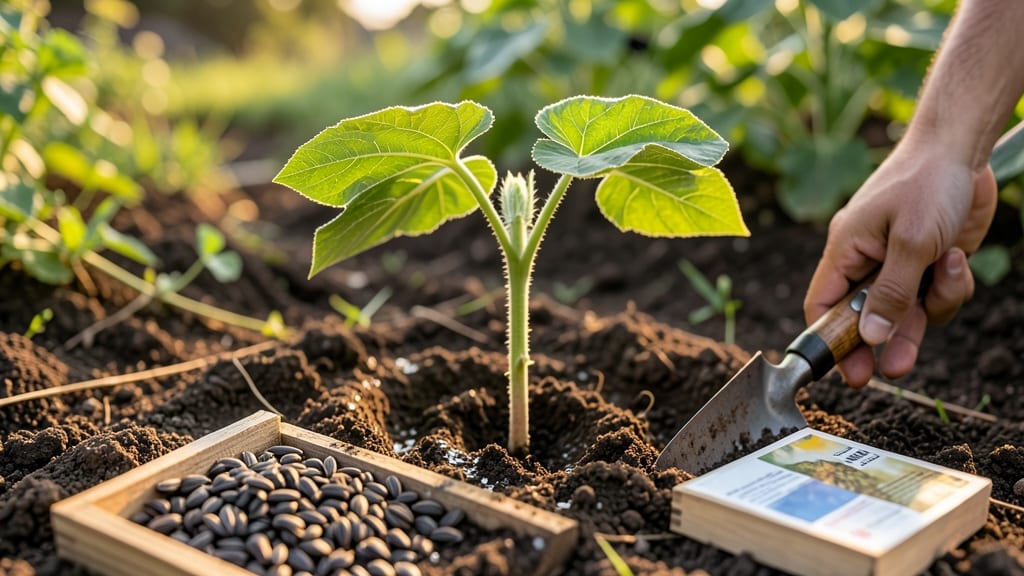
How long does it take for sunflower seeds to sprout? Typically, they emerge in 7–14 days when planted at the right depth and temperature 🌻 — but if you’ve ever stared at damp soil waiting for a single green shoot, you know timing isn’t always that simple.
Wondering when those sunflower seeds you planted will finally crack through the soil? Timing everything right is the key to growing healthy sunflowers, and germination speed depends on more than just luck—it’s all about conditions.
Too cool, and they’ll linger in the soil for weeks. Too dry, and they’ll never wake up. But with the right soil temperature, moisture, and a little patience, you can cut that wait down to just 5–7 days.
Below, I’ll break down the exact factors controlling sprouting speed, how to troubleshoot delays, and when to transplant those first tender shoots for the strongest plants.
Sunflower seed germination timeline: days to sprout under ideal conditions
If you've ever eagerly waited for those sunflower seeds to break through the soil, you're not alone. Understanding the sunflower germination timeline helps you set realistic expectations and adjust conditions for faster results.
Under ideal conditions, most sunflower varieties sprout within 7–14 days, but timing can shift based on factors like temperature and moisture.
The journey from seed to sprout involves distinct stages: soaking, radicle emergence, and shoot breakthrough. Each stage has its own timeline, especially when comparing indoor starts versus outdoor planting.
Let’s break down what to expect at each step, so you can troubleshoot delays or celebrate early success.
⚠️ NON-NEGOTIABLE: summary table element required
| Stage | Indoor (Pre-Sprout) | Outdoor (Post-Last Frost) | Key Conditions |
|---|---|---|---|
| Soaking (Pre-Plant) | 4–12 hours | N/A | Warm water (70°F+) |
| Radicle Emergence | 2–5 days | 3–7 days | Soil temp 70–85°F |
| Shoot Breakthrough | 5–9 days total | 7–14 days total | Moist, well-draining soil |
| First True Leaves | 7–12 days | 10–21 days | Sunlight exposure |
When starting sunflower seeds indoors, the process moves faster because you control the environment. A heat mat set to 75–85°F can cut the radicle emergence stage from 5 days to just 2–3 days.
Meanwhile, outdoor seeds face cooler soil temperatures, which slow germination to 7–14 days for the first crack.
One common misconception is that all sunflower varieties sprout at the same rate. Dwarf varieties like 'Moulin Rouge' often sprout in 5–7 days, while giant varieties such as 'Russian Giant' may take 10–14 days.
Always check the seed packet for specific timelines, as some heirloom seeds can be slower to germinate due to thicker seed coats.
Moisture plays a critical role in speeding up germination. Seeds planted in consistently moist soil (not soggy) will sprout 2–3 days faster than those in dry conditions.
If your soil feels like a wrung-out sponge, your seeds are getting just the right amount of hydration. Overwatering, however, can suffocate seeds by cutting off oxygen.
Temperature is another game-changer. Sunflower seeds need soil temperatures of at least 50°F to germinate, but they thrive at 70–85°F. If your soil is cooler than 50°F, germination can stall for weeks.
Use a soil thermometer to monitor conditions—this simple tool can save you from waiting too long for sprouts.
Once you see the first cotyledons (the seed leaves), count backward to estimate when your sunflowers will reach maturity. For standard varieties, this is typically 50–60 days after sprouting. If you’re growing sunflowers for seeds, extend this timeline to 80–120 days, depending on the variety.
If your seeds haven’t sprouted after 21 days, it’s time to troubleshoot. Check for seed viability by soaking a few seeds in water—if they sink, they’re likely still good.
If they float, they may have lost viability. Adjusting your approach, like using a seed starter kit or switching to a warmer location, can make all the difference.
Remember, patience is key, but so is preparation. By understanding each stage of the sunflower germination timeline and optimizing conditions, you’ll be rewarded with those first bright green shoots breaking through the soil in record time. 🌱
Factors that speed up or delay sunflower seed sprouting (and how to control them)
Sunflower seeds typically sprout within 5–14 days under ideal conditions, but several factors can speed up or delay this process. Understanding these variables helps you create the perfect environment for quick, healthy germination.
The most critical factors include soil temperature, moisture levels, planting depth, and seed quality. Each plays a unique role in determining how fast—or slow—your seeds will emerge.
For instance, soil temperature is the biggest game-changer. Sunflower seeds germinate fastest when soil stays between 70–90°F. If your soil is too cold (below 50°F), germination can stall for weeks. On the other hand, excessive heat (above 95°F) can dry out seeds before they sprout.
Moisture is equally crucial—too little causes seeds to dry out, while too much can suffocate them or invite mold.
Sunflower Seed Germination Speed: What to Expect
- Soil temp: 70–90°F
- Moisture: Consistently damp
- Depth: 1 inch deep
- Seed quality: Fresh, untreated
- Soil temp: 50–70°F
- Moisture: Evenly moist
- Depth: 1–2 inches deep
- Seed quality: Store-bought, viable
- Soil temp: Below 50°F
- Moisture: Too dry or soggy
- Depth: Too deep (>2 inches)
- Seed quality: Old or damaged
- Soil temp: Too hot (>95°F)
- Moisture: Flooded or bone-dry
- Depth: Buried too shallow (<½ inch)
- Seed quality: Expired or moldy
If your seeds aren’t sprouting within 2–3 weeks, troubleshooting is key. Start by checking the planting depth—sunflower seeds should be buried 1 inch deep. Planting too shallow exposes them to drying out, while burying them too deep (over 2 inches) can suffocate the sprouts.
Also, inspect your seed quality: old or stored improperly seeds may fail to germinate. For extra insurance, soak seeds in warm water for 4–6 hours before planting to kickstart the process.
Another common issue is uneven moisture. Sunflower seeds need consistent dampness but hate soggy conditions. Use a moisture meter or stick your finger 1 inch into the soil—it should feel like a wrung-out sponge.
If the top layer dries out, sprouts may die before emerging. Mulching with straw can help retain moisture while preventing crusting, which can block young seedlings from breaking through.
For gardeners in cooler climates, soil warming tricks work wonders. Lay down black plastic mulch a few days before planting to absorb heat, or use a seedling heat mat if starting indoors.
Even a clear plastic dome over outdoor seeds can trap warmth and speed up germination. Just remember to remove it once sprouts appear to avoid overheating.
Finally, seed viability is non-negotiable. Test a few seeds by placing them in a damp paper towel—if they don’t sprout within 5–7 days, your batch may be old.
Buy from reputable suppliers or save seeds from healthy, mature sunflowers for the best results. With the right conditions, your sunflowers will crack through the soil in no time!