
Propagation
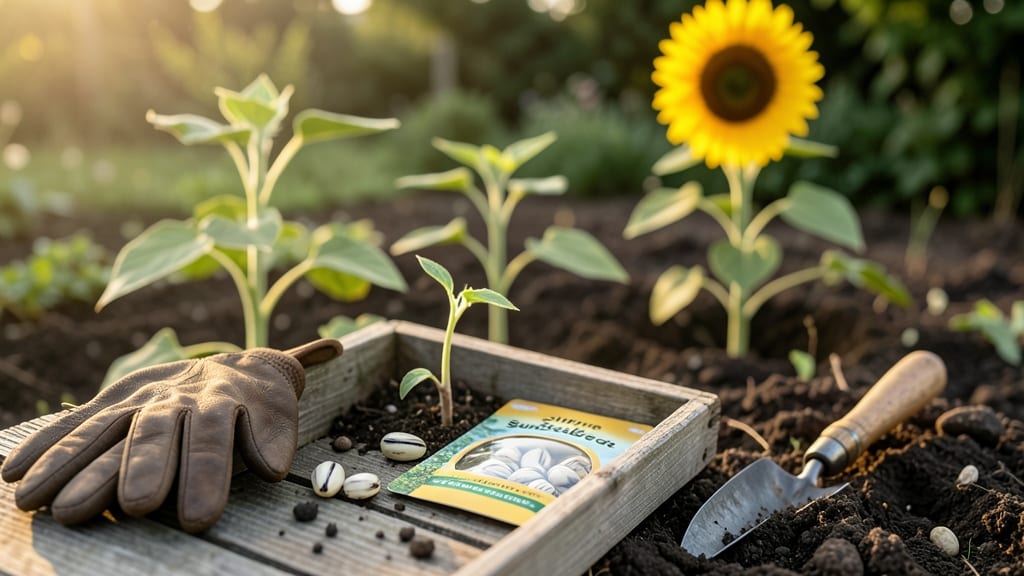
Growing sunflowers from seed takes about 60 to 120 days to reach those towering, cheerful blooms 🌻—but the exact timeline depends on your variety, climate, and a few simple gardening tweaks.
Picture this: you plant a seed in early spring, and by midsummer, you’re harvesting sunflower seeds or cutting stems for bouquets. It’s one of the fastest ways to see dramatic results in your garden, but rushing the process can leave you with leggy seedlings or blooms that never open.
The key is understanding each growth stage and how to support it.
From germination to full maturity, sunflowers pass through distinct phases—each with its own timeframe. Some varieties, like the compact ‘Teddy Bear,’ mature in as little as 50 days, while giants like ‘Russian Mammoth’ can take up to 120 days or more.
Soil warmth, sunlight, and even watering habits play a bigger role than you might think.
In this guide, I’ll break down the exact days to expect at each stage, share proven tips to speed up growth, and help you pick the right variety for your garden’s timeline—so you can enjoy those golden blooms sooner rather than later.


Sunflower growth timeline from seed: stages and expected duration
Growing sunflowers from seed is one of the most rewarding experiences in gardening, thanks to their rapid growth and striking appearance. Most varieties complete their life cycle in 60 to 120 days, but the exact timeline depends on the sunflower variety, growing conditions, and your local climate.
Understanding each growth stage helps you anticipate milestones and troubleshoot delays.
The journey begins with germination, which typically occurs within 7 to 14 days after planting. During this time, seeds need consistent moisture and warm soil temperatures (70°F or higher) to sprout.
Once germinated, sunflower seedlings emerge with two small leaves and grow rapidly if given full sunlight and well-draining soil.
Here’s a quick look at the five key growth stages and their average durations:
| Stage | Duration (Days) | Key Characteristics | Factors Affecting Speed |
|---|---|---|---|
| Germination | 7–14 | Seedling emerges with 2 leaves | Soil temp, moisture, seed quality |
| Seedling | 14–21 | Rapid stem growth, 4–6 leaves | Sunlight, spacing, nutrients |
| Vegetative | 21–45 | Stem elongates, leaves mature | Watering, soil fertility, pests |
| Flowering | 45–60 | Bud forms, petals open | Day length, temperature, stress |
| Maturity | 60–120 | Seeds mature, petals wilt | Variety, harvest timing, weather |
The vegetative stage is where sunflowers put on most of their growth, with stems elongating dramatically. This phase lasts 21 to 45 days and is critical for establishing a strong root system.
During this time, ensure your plants receive at least 6 hours of direct sunlight daily and avoid overcrowding, which can stunt growth.
Once the flowering stage begins (around 45 to 60 days), you’ll notice a bud forming at the top of the stem. This stage is sensitive to temperature fluctuations and day length.
In cooler climates, flowering may take longer, while warm, sunny conditions accelerate bloom time. The iconic yellow petals will fully open within 7 to 10 days of bud formation.
Finally, the maturity stage marks the end of the cycle, typically occurring between 60 to 120 days after planting. This duration varies widely by variety—dwarf sunflowers like 'Teddy Bear' mature in as little as 50 days, while giant varieties like 'Russian Giant' can take up to 120 days.
During this stage, petals wilt, and the seeds inside the head become plump and ready for harvest.
Several factors can speed up or slow down sunflower growth. Temperature is a major influencer: ideal soil temps for germination are 70–85°F, while cooler conditions (below 60°F) delay sprouting. Sunlight is equally critical—sunflowers thrive in full sun (6+ hours daily), and shade can cause leggy, weak stems.
Additionally, soil quality plays a role; well-draining, nutrient-rich soil supports faster growth compared to compacted or poor-quality soil.
For a more precise timeline, consider the sunflower variety you’re growing. Fast-blooming types like 'Autumn Beauty' mature in 60–70 days, while tall varieties like 'Mammoth' take 90–120 days.
Always check the seed packet for specific details, as some hybrids are bred for shorter or longer growth cycles to suit different climates.
Monitoring your sunflowers’ progress stage by stage ensures you’re prepared for each phase—whether it’s providing extra support for tall stems, protecting buds from pests, or harvesting seeds at the perfect time. With the right conditions, you’ll enjoy a bountiful display of sunflowers in just a few months! 🌻
How to speed up sunflower growth: 5 proven tips for faster blooms
Want those sunflower blooms to appear faster? With the right techniques, you can shave weeks off the 60-120 day growth cycle. The secret lies in optimizing soil conditions, watering schedules, and sunlight exposure—plus avoiding common mistakes that stall growth.
Let’s dive into my top strategies for accelerated sunflower growth that actually work.
First, timing matters more than you think. Planting sunflower seeds too early in cool soil delays germination by weeks. Aim for when soil temperatures reach 55°F (13°C)—typically after your last frost date. In most regions, this means late April to early May.
For a head start, use black plastic mulch to warm the soil faster. I’ve seen germination times drop from 14 days to just 7 days with this trick!
🌱 5 Proven Tips to Speed Up Sunflower Growth
- 1. Plant in well-draining soil with compost (70°F+ soil temp)
- 2. Water deeply 2x/week (avoid soggy soil)
- 3. Place in full sun (8+ hours/day)—no compromises!
- 4. Choose fast-maturing varieties (e.g., 'Teddy Bear' in 50 days)
- 5. Thin seedlings to 12-18 inches apart for strong stems
Let’s talk soil preparation—this is where most gardeners go wrong. Sunflowers thrive in loamy, slightly acidic soil (pH 6.0-7.0). Before planting, mix in 2-3 inches of compost and a handful of balanced fertilizer (10-10-10).
I’ve noticed that amending clay soil with perlite can cut growth time by 10 days by improving drainage. Poor drainage causes root rot, which stunts growth entirely.
Watering is another critical factor. While sunflowers are drought-tolerant once established, they need consistent moisture during germination and early growth. Water deeply 2-3 times per week—aim for 1-2 inches of water per week. The key is to avoid overwatering, which leads to fungal diseases like powdery mildew.
I’ve seen entire sunflower patches collapse from nighttime watering in humid climates. Always water in the early morning to let foliage dry quickly.
⚠️ Warning: Common Mistakes That Slow Growth Overcrowding steals sunlight and nutrients, causing weak stems. Underwatering during dry spells stresses plants. And shady spots (even partial shade) delay flowering by 3+ weeks.
I’ve had readers tell me their sunflowers "just sat there" for months—turns out they were planted under fruit trees! Always stake out your sunniest spot first.
For the fastest results, select dwarf or semi-dwarf varieties like 'Teddy Bear' (50 days to bloom) or 'Moulin Rouge' (60 days). These reach maturity in half the time of giants like 'Russian Giant' (120+ days).
If you’re growing for cut flowers, prioritize early-blooming types. And here’s a pro tip: Plant a second round of fast varieties 2-3 weeks after your first planting for continuous blooms all summer!