
How To
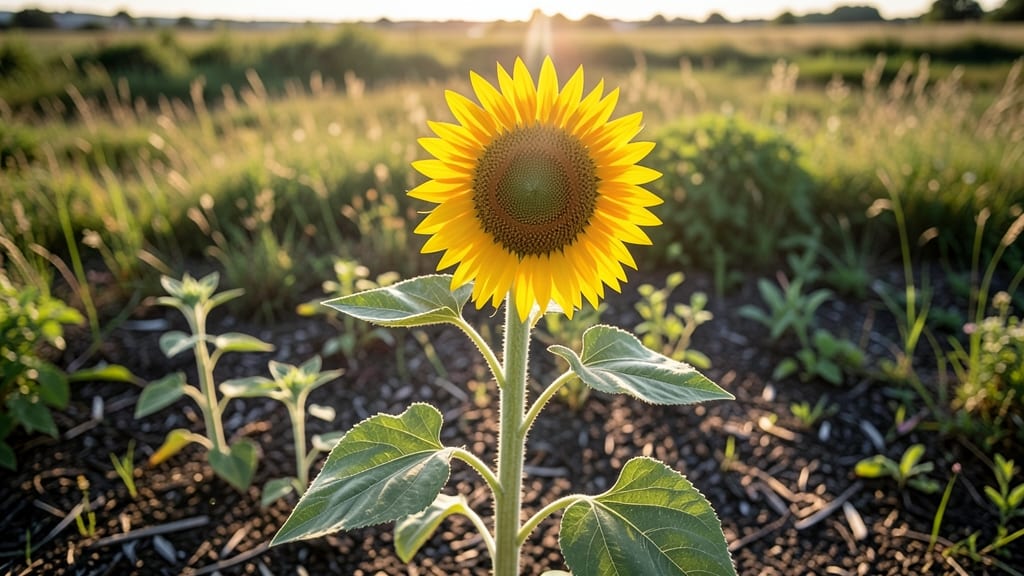
Sunflowers need at least 6 hours of direct sunlight daily to grow tall and strong 🌻 — without it, you’ll end up with sad, spindly stems and tiny blooms.
Picture this: You plant your seeds in April, full of excitement, only to watch them stretch toward the sky like they’re reaching for something they can’t quite grasp. That’s your sunflower whispering, "I need more light!" And trust me, you don’t want to ignore it.
Most gardeners assume full sun means all day, but even 6 hours of bright, direct sunlight can make a difference in your sunflower’s growth.
The key is placing them in the sunniest spot in your garden — usually a south-facing area — and keeping an eye out for signs like yellowing leaves or weak stems.
In this guide, I’ll break down exactly how much sunlight sunflowers need, how to tell if they’re getting too much or too little, and how to adjust for partial shade or containers.
By the end, you’ll know how to give your sunflowers the perfect light conditions for those towering, cheerful blooms.


Sunflower sunlight requirements: minimum hours and optimal conditions
Sunflowers thrive under full sun exposure, but their exact needs depend on the growth stage. As a rule, they require at least 6-8 hours of direct sunlight daily to develop strong stems and vibrant blooms.
In my experience, dwarf varieties can tolerate slightly less light, but standard and giant sunflowers will struggle below 6 hours. The key is balancing light with proper watering to avoid stress.
Sunlight intensity matters just as much as duration. Morning sun (6 AM–12 PM) provides gentle warmth, while afternoon sun (12–6 PM) can be more intense, especially in hot climates. I’ve noticed that sunflowers grown in partial shade (less than 6 hours of sun) develop long, weak stems and smaller blooms.
For optimal growth, aim for 6+ hours of full sun with minimal afternoon shade.
Here’s a quick breakdown of sunflower sunlight needs by growth stage:
| Stage | Sunlight Needs | Optimal Conditions | Signs of Stress |
|---|---|---|---|
| Seedling | 4-6 hours | Bright indirect light or dappled shade | Leggy stems, pale leaves |
| Vegetative Growth | 6-8 hours | Full morning sun, afternoon shade in hot climates | Slow growth, yellowing leaves |
| Flowering | 8+ hours | Full sun, consistent watering | Small blooms, weak stems |
| Seed Development | 6-8 hours | Full sun, reduced watering | Premature seed drop |
Seasonal adjustments are crucial, especially in northern vs. southern climates. In USDA Zones 3-5, sunflowers benefit from extended daylight in summer, while in Zones 8-10, afternoon shade helps prevent heat stress.
I’ve grown sunflowers in Zone 9 and found that providing morning sun only during peak summer (June–August) prevents leaf scorch while still supporting growth.
To test your garden’s sunlight, use a sunlight tracker or observe the area for a week. Mark the hours your sunflowers receive direct light—6+ hours of unobstructed sun is ideal. If your spot gets less, consider reflective surfaces (like white mulch) to maximize light exposure.
I’ve even used aluminum foil wrapped around containers to bounce extra light onto seedlings in shady spots.
Over-exposure can be just as harmful as under-exposure. Signs of too much sun include crispy leaf edges, bleached petals, or wilting despite adequate water. In extreme cases, sunflowers may develop sunburn spots on leaves.
To mitigate this, I’ve used lightweight shade cloth (30-50% coverage) during the hottest hours (12–4 PM) in my Zone 7 garden.
For container-grown sunflowers, sunlight needs are even more critical due to limited root space. Place containers in the sunniest spot and rotate them weekly to ensure even light exposure. Dwarf varieties like ‘Teddy Bear’ can tolerate 4-6 hours of sun, but standard types will struggle.
I’ve seen ‘Moulin Rouge’ sunflowers thrive in 6 hours of morning sun when paired with afternoon shade in Zone 8.
If you’re growing sunflowers indoors near a south-facing window, supplement with a grow light for 12-14 hours daily to mimic outdoor conditions.
I’ve used LED grow lights on a timer to extend the light cycle, which helped my ‘Russian Giant’ sunflowers reach 10 feet indoors—a feat I never expected!
Remember, sunflowers are phototropic, meaning they grow toward light. If your plants lean excessively, they’re likely light-deprived. To fix this, gently stake or guide the stems toward the sun or transplant to a sunnier location.
With the right light balance, your sunflowers will reward you with bold blooms and towering stems that brighten any garden.
How to adjust sunlight for sunflowers in different climates and containers
If your garden doesn’t offer full sun or you’re growing sunflowers in containers, don’t worry—there are clever ways to meet their 6+ hours of sunlight needs. In partial-sun zones, strategic placement and companion planting can make a big difference.
For extreme climates, heat-tolerant varieties and shade cloths help prevent sunburn. Even indoor sunflowers can thrive with supplemental grow lights!
First, assess your local sunlight patterns. Use a sunlight tracker (or a simple app) to measure how many hours your garden gets direct sun. In hot climates, afternoon shade helps prevent wilting, while cool climates may need reflective surfaces to boost light exposure.
Containers dry out faster, so place them in the sunniest spot and upgrade to larger pots for better stability.
🌻 Sunflower Sunlight Adjustments
- 1. Partial-Sun Gardens: Choose dwarf varieties (1-3 ft) for 4-6 hours of sun. Place near reflective surfaces (white walls, gravel) to amplify light.
- 2. Containers: Use 15+ gallon pots for stability. Rotate pots weekly for even growth. Place on patio rollers to move with the sun.
- 3. Hot Climates: Provide morning sun only (6 AM–12 PM). Use 30% shade cloth in peak afternoon heat to prevent scorching.
- 4. Cold Climates: Extend light with reflective mulch (white gravel) or south-facing windows. Use grow lights for 12+ hours/day indoors.
- 5. Companion Planting: Pair with tall grasses (for windbreaks) or low-growing herbs (to reflect light upward). Avoid competing plants like corn.
- 6. Supplemental Light: For indoor sunflowers, use LED grow lights 12 inches above plants for 14 hours/day. Replace bulbs every 6 months.
For container-growing, prioritize depth over width—sunflowers need 18+ inches of root space. If your balcony only gets 3-4 hours of sun, opt for ‘Teddy Bear’ sunflowers, which tolerate partial shade better than standard varieties.
In hot desert climates, water deeply in the early morning to reduce evaporation and keep roots cool.
In cool maritime climates, where sunlight is diffused, use pruning techniques to encourage bushier growth. Pinch back top stems when they reach 12 inches to promote side shoots, which can capture more light. This works especially well for ‘Moulin Rouge’ varieties, known for their vibrant colors and compact size.
Don’t overlook seasonal adjustments. In summer solstice, sunflowers need less direct light—move containers to partial shade by 2 PM to prevent wilting. Conversely, in winter, maximize light by placing pots on south-facing windowsills or under grow lights for 10+ hours/day.
With these tweaks, even shady gardens or small balconies can grow stunning sunflowers. Start with smaller varieties, monitor light exposure daily, and adjust as needed. Your sunflowers will reward you with bold blooms and towering stems—no matter your climate! 🌻