
Flowers
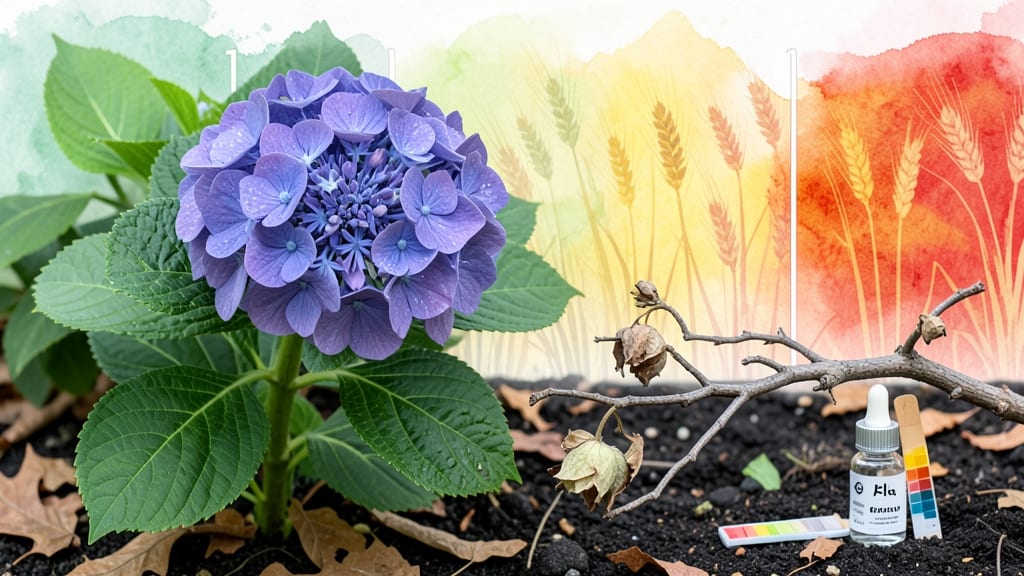
Hydrangeas flower with a rhythm that depends on their type and care, blooming anywhere from once a year to multiple times in a season.
If you’ve ever wondered why your 🌸 hydrangeas seem to bloom sporadically—or not at all—you’re not alone. Understanding their flowering cycles by variety can transform your garden from hit-or-miss to consistently stunning.
Some varieties, like mophead and lacecap, bloom on old wood (last year’s growth), while others, such as panicle hydrangeas, flower on new wood (this year’s growth). This difference alone explains why one plant might bloom annually while another reblooms seasonally.
In this guide, you’ll learn how to maximize blooms by pruning at the right time, adjusting care for your hydrangea’s type, and troubleshooting common issues that keep flowers from appearing.
Hydrangea flowering frequency by type: annual vs perennial bloomers
Hydrangeas are famous for their showstopping blooms, but not all varieties play by the same rules. Some flower once per year, while others rebloom seasonally—and the difference often comes down to their genetic flowering cycle.
Understanding these patterns helps you choose the right hydrangea for your garden and set realistic expectations for their blooming schedule.
The key to predicting hydrangea blooms lies in their dormancy periods and hardiness zones. Most hydrangeas are perennials, meaning they return year after year, but their flowering frequency varies wildly.
For example, bigleaf hydrangeas (like 'Endless Summer') are bred to rebloom, while oakleaf hydrangeas typically produce just one flush of flowers per season. Let’s break down the flowering habits of popular types so you can plan your garden like a pro.
| Hydrangea Type | Blooming Frequency | Hardiness Zones | Seasonal Triggers | Key Notes |
|---|---|---|---|---|
| Bigleaf (e.g., 'Endless Summer') | Reblooms seasonally (spring + summer) | Zones 5-9 | Needs late-winter pruning to encourage reblooms | Color changes with soil pH (blue/ pink) |
| Panicle (e.g., 'Limelight') | Reblooms (spring + fall) | Zones 3-8 | Flower buds form on new wood (current year’s growth) | Tolerates full sun better than other types |
| Oakleaf (e.g., 'Snow Queen') | Once per year (late spring/early summer) | Zones 5-9 | Flower buds set on old wood (previous year’s growth) | Stunning fall foliage (red/purple leaves) |
| Smooth (e.g., 'Annabelle') | Once per year (mid-summer) | Zones 3-9 | Bud formation triggered by cool spring temps | Drought-tolerant; white blooms fade to green |
| Mountain (e.g., 'Alice') | Once per year (late spring) | Zones 4-8 | Prefers cool, moist climates | Small blue/purple blooms; great for borders |
If you’re growing bigleaf hydrangeas like 'Endless Summer,' you’re in luck—they’re rebloomers that can produce two flushes of flowers per year. The secret? Their flower buds form on both old and new wood, so careful late-winter pruning (just after blooms fade) encourages fresh growth and more flowers.
These varieties thrive in zones 5-9 and love partial shade, making them perfect for gardeners who want year-round color.
Panicle hydrangeas, such as 'Limelight' or 'Little Lime,' are another reblooming powerhouse. They produce conical flowers that start white and mature to shades of pink or green. Unlike bigleaf types, panicle hydrangeas set their flower buds exclusively on new wood, so summer pruning won’t harm them. These varieties are hardier (zones 3-8) and can handle more sun, making them ideal for southern gardens or sunny borders.
On the flip side, oakleaf hydrangeas like 'Snow Queen' are one-and-done bloomers, producing their lacy flowers in late spring. The trade-off? Their fall foliage
How to maximize blooms: pruning and care tips by flowering cycle
Timing your pruning is the secret weapon for hydrangea blooms. If you prune at the wrong time, you might sacrifice next year’s flowers—or even this year’s! For old wood bloomers like mophead and lacecap hydrangeas, prune right after flowering (late summer) to preserve next season’s buds.
New wood bloomers, such as panicle hydrangeas, are more forgiving. You can prune in late winter or early spring before new growth emerges, encouraging lush, second-season blooms. Understanding your hydrangea’s type is the first step to avoiding pruning mistakes that leave you with bare stems.
Deadheading—removing spent blooms—is another game-changer for reblooming varieties. Snip off faded flowers just above the first set of leaves to redirect energy into new buds. This works best for panicle and smooth hydrangeas, which often produce a second flush of blooms with proper care.
If you prune mophead or lacecap hydrangeas in late winter or early spring, you risk cutting off next year’s flower buds, which form on last year’s wood. Always wait until after flowering (late summer) to prune these varieties.
Fertilizing plays a critical role too. Use a balanced fertilizer (10-10-10) in early spring to jumpstart growth, then switch to a low-phosphorus formula in summer to encourage blooms over foliage.
Over-fertilizing in late summer can lead to leafy growth at the expense of flowers, so follow the 3-1-1 rule: 3 parts nitrogen in spring, 1 part phosphorus, and 1 part potassium in summer.
Mulching around your hydrangeas helps maintain consistent moisture and soil temperature, both of which support healthy blooming. Use 2-3 inches of organic mulch like shredded bark or pine straw, keeping it 6 inches away from the stem to prevent rot.
This is especially important in hot climates, where soil can dry out quickly.
Finally, watch for overcrowded stems, which compete for energy and reduce flower production. Thin out 10-20% of the oldest stems every year to improve air circulation and encourage stronger blooms. This is a gentle but effective way to rejuvenate mature hydrangeas and keep them flowering abundantly for years.