
Watering
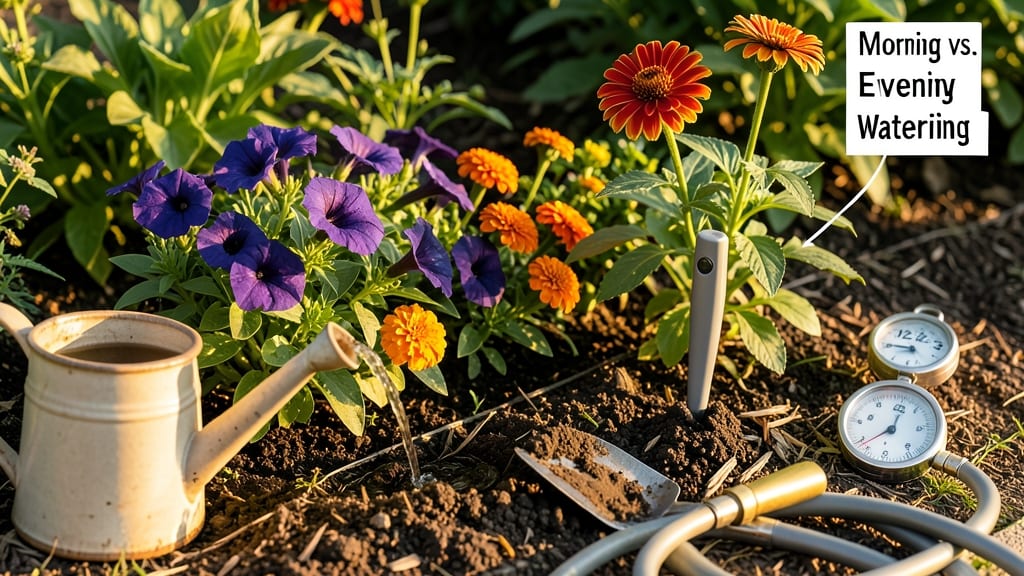
Watering your outdoor flowers the right way keeps them healthy and blooming all season long—so knowing how often to water is the difference between a garden that thrives and one that fades.
Struggling to keep your outdoor flowers vibrant and thriving? Overwatering or underwatering can both destroy your blooms—and knowing the exact watering schedule by season is the key to lush, long-lasting flowers. 🌸
Most outdoor flowers need about 1–2 inches of water per week, but that changes with heat, soil type, and rainfall. A quick check of the top inch of soil (or the petals themselves) tells you whether it’s time to water again.
In this guide, I’ll break down the perfect watering routine for every season, plus pro tips to avoid common mistakes and keep your flowers happy without wasting water.
Seasonal watering schedule for outdoor flowers (by plant type)
Watering your outdoor flowers isn't one-size-fits-all—it depends on the season, plant type, and even your local climate. Too much water drowns roots, while too little causes wilting. The trick? Deep, infrequent watering that encourages strong roots, especially during peak growing months.
Let’s break down how often to water annuals, perennials, and seasonal blooms month by month, so you can keep your garden thriving without guesswork.
Most flowers need 1–2 inches of water per week, but adjust based on rainfall, soil type, and heat waves. For example, petunias and geraniums (annuals) dry out faster in summer than coneflowers or black-eyed Susans (perennials).
Below, I’ve organized a seasonal watering guide to simplify your routine—plus, a quick-reference table for monthly adjustments.
Spring is all about balancing moisture as plants wake up from dormancy.
Annuals like zinnias and cosmos need frequent watering to establish roots, while perennials such as bee balm can wait a few extra days. Test soil moisture by sticking your finger 1–2 inches deep—if it’s dry, it’s time to water.
Mulching with straw or shredded leaves locks in moisture and regulates temperature, reducing your workload by up to 30%.
Summer demands the most attention, especially during heatwaves. Annuals like geraniums wilt quickly, so water them early in the morning to prevent evaporation.
For perennials, focus on deep watering 2–3 times per week rather than light daily sprinkles. Drip irrigation systems are a game-changer here—they deliver water directly to roots, saving 20–40% more water than overhead sprinklers and reduce fungal diseases like powdery mildew.
Fall marks the transition to dormancy prep. Reduce watering gradually for perennials like black-eyed Susans and sedum, which store energy for next year.
Seasonal blooms such as tulips and daffodils need almost no water once foliage yellows. Avoid autumn rains by improving drainage—amend clay soil with compost or sand to prevent root rot during wet spells.
Winter watering is minimal, but not zero. Evergreen perennials like lavender or rosemary need occasional sips if temperatures hover above freezing.
For bulbs like tulips, skip watering entirely—they’re dormant until spring. Pro tip: Use a soaker hose in late winter to gently wake up roots before new growth appears, giving your garden a head start.
Adjust this schedule based on your local climate and soil type. Sandy soil drains faster, while clay holds moisture longer. Group plants with similar needs together in your garden beds to streamline watering. For example, place drought-tolerant succulents near lavender and salvia to cut back on summer watering.
Remember: Overwater
How to tell if your flowers need water (signs & fixes)
Your outdoor flowers silently communicate their water needs through subtle but unmistakable signs. Ignoring these cues can lead to drooping petals, stunted growth, or even plant death.
The key is learning to read their signals—wilted leaves, dry soil, and yellowing foliage all tell a story about your watering habits. I’ve spent years perfecting my approach, and these visual clues have saved countless blooms in my garden.
First, check the soil moisture by sticking your finger about 1 inch deep. If it feels dry, your flowers need water immediately.
For container plants, lift the pot—if it’s light, it’s time to water. Morning wilting that recovers by afternoon usually means thirst, while evening wilting suggests overwatering or poor drainage. Pay attention to these daily rhythms, as they’re your flowers’ way of talking.
How often to water outdoor flowers depends on season, soil type, and plant species. In summer heat, most flowers need deep watering every 2-3 days, while winter care drops to bi-weekly. Clay soil stays wet longer than sandy soil—adjust your schedule accordingly. Mulch retains moisture, reducing frequency by 30-50%.
Look for yellowing leaves, especially on older foliage, which often signals overwatering or poor drainage. If the yellow spreads to new growth, it could mean root rot from soggy conditions. Conversely, crispy brown edges on leaves point to underwatering or high salt buildup from tap water.
I always test my water with a TDS meter—if readings exceed 500 ppm, I switch to rainwater or distilled water.
Don’t forget to inspect the stem and buds. Soft, mushy stems indicate excess moisture, while dry, brittle stems mean severe dehydration. For cut flowers, check the water line—if it’s receding, the stem needs rehydration.
Pro tip: Trim stems at an angle before placing them in water to maximize absorption. This small step can add days to their vase life.
For precision, invest in a moisture meter or soil probes. These tools eliminate guesswork by giving real-time data on root zone moisture. I use a capacitance meter for accuracy—it reads moisture levels without disturbing the soil.
Place it near the drip line (where water naturally falls) for the most reliable readings. Most flowers thrive when the top 2-3 inches of soil stay consistently moist but not soggy.
Adjust your watering routine based on weather forecasts. Before a heavy rain, hold off watering for 24-48 hours to avoid waterlogging. In drought conditions, increase frequency but water deeply to encourage deep root growth.
Early morning watering (before 10 AM) reduces evaporation and fungal risks. By tuning into these signals, you’ll create a balanced watering schedule that keeps your flowers blooming all season.