
How To
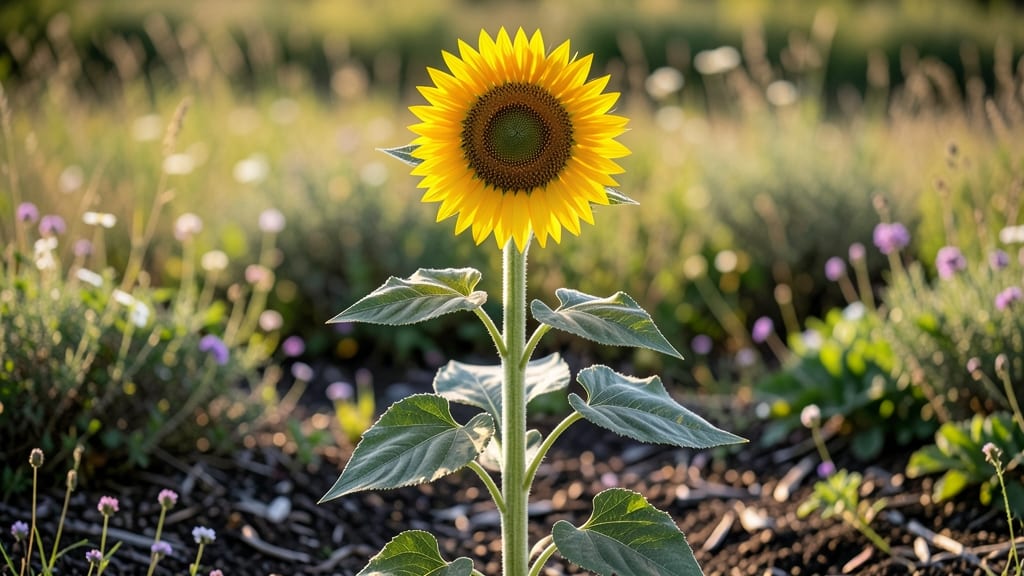
Sunflowers can grow up to 16 feet tall—taller than a basketball hoop or even some two-story houses!
If you’ve ever marveled at towering sunflowers in fields or gardens, you’ve likely wondered just how tall these giants can grow. The answer lies in the seeds you choose, the care they receive, and a little help to keep them standing strong.
Some varieties, like the 'Mammoth Russian', reach heights that will make your neighbors do a double take.
But here’s the catch: reaching those sky-high heights isn’t just about genetics. Sunflowers need the right conditions—full sun, well-drained soil, and consistent watering—to grow tall and sturdy.
Without proper support, even the tallest varieties can topple over, leaving you with a flat garden instead of a stunning vertical display.
In this guide, I’ll break down the tallest sunflower varieties, how to support them for maximum growth, and the secrets to growing sunflowers that reach for the sky—without falling over. Let’s get started!


Sunflower height records: tallest varieties and their growth potential
Sunflowers are nature’s skyscrapers, with some varieties reaching heights that make even the tallest humans feel petite. The tallest sunflowers can grow up to 16 feet or more, thanks to careful breeding and ideal growing conditions.
But not all sunflowers are giants—some stay compact at just 1-3 feet. The difference often comes down to the variety you choose and how you nurture it.
If you’re dreaming of sunflowers that tower over your garden fence or even your house, you’ll want to focus on giant sunflower varieties like 'Mammoth Russian' or 'American Giant'. These aren’t just for show—they’re perfect for creating dramatic focal points, providing shade, or even harvesting seeds for bird feeders.
But before you plant, it’s important to understand what makes these varieties grow so tall—and what might hold them back.
Genetics play a huge role in how tall your sunflowers will grow. Giant sunflower varieties like 'Mammoth Russian' are bred specifically to reach 12-16 feet, while dwarf varieties like 'Teddy Bear' stay under 6 feet.
But even the tallest sunflowers won’t reach their full potential without the right growing conditions. Factors like sunlight exposure, soil quality, and water consistency can make or break their height.
Sunflowers thrive in full sun, which means at least 6-8 hours of direct sunlight per day. Without enough light, they’ll grow leggy and weak, struggling to reach their maximum height.
I once grew 'American Giant' sunflowers in a partially shaded spot, and they only reached half their expected height. If you’re in a shady area, consider using reflective surfaces or growing shorter varieties instead.
Soil also makes a difference. Sunflowers prefer well-draining, nutrient-rich soil with a pH between 6.0 and 7.5. Heavy clay or sandy soil can stunt growth, while amended soil with compost can help them grow taller and stronger.
Before planting, mix in 2-3 inches of compost to give your sunflowers the nutrients they need to reach for the sky.
Watering is another critical factor. While sunflowers are drought-tolerant once established, they need consistent moisture during their early growth stages. Deep watering 2-3 times per week encourages strong root development, which supports taller growth. Avoid overwatering, though—waterlogged soil can lead to root rot and weaken the plant.
Even with the right
How to support sunflowers for maximum height: staking and training tips
Sunflowers are nature's skyscrapers, but their towering height potential (up to 16 feet) often comes with a risk of toppling over. Without proper support, even the sturdiest stems can succumb to wind or heavy blooms.
The key to maximizing their vertical growth lies in strategic staking techniques and gentle training—starting early in their development.
I’ve learned the hard way that waiting until sunflowers are already leaning is too late. By then, the stems have weakened, and even the best DIY supports struggle to hold them upright.
The secret? Begin supporting them when they reach 3-4 feet tall, before their weight becomes a problem. This gives you the best chance to guide their growth without damaging delicate stems.
Pruning plays a subtle but crucial role in height support. While you might think trimming encourages vertical growth, the opposite is often true. Instead, focus on removing damaged leaves and deadheading spent blooms—this redirects energy to the main stem.
I’ve found that pinching side buds early (when stems are 12 inches tall) helps concentrate growth upward, but only do this with single-stemmed varieties.
One of my biggest lessons? Location matters. Plant sunflowers in sheltered spots (like near fences or trellises) to reduce wind damage. If growing in exposed areas, opt for shorter varieties (3-6 ft) or use multiple stakes per plant for extra stability.
Even with support, some varieties (like 'Mammoth Russian') will still lean—accept that as part of their charm!
With the right support system and a little patience, your sunflowers can reach their full height potential while staying upright. The payoff? Stunning vertical displays that turn heads—and maybe even break height records in your neighborhood! 🌻