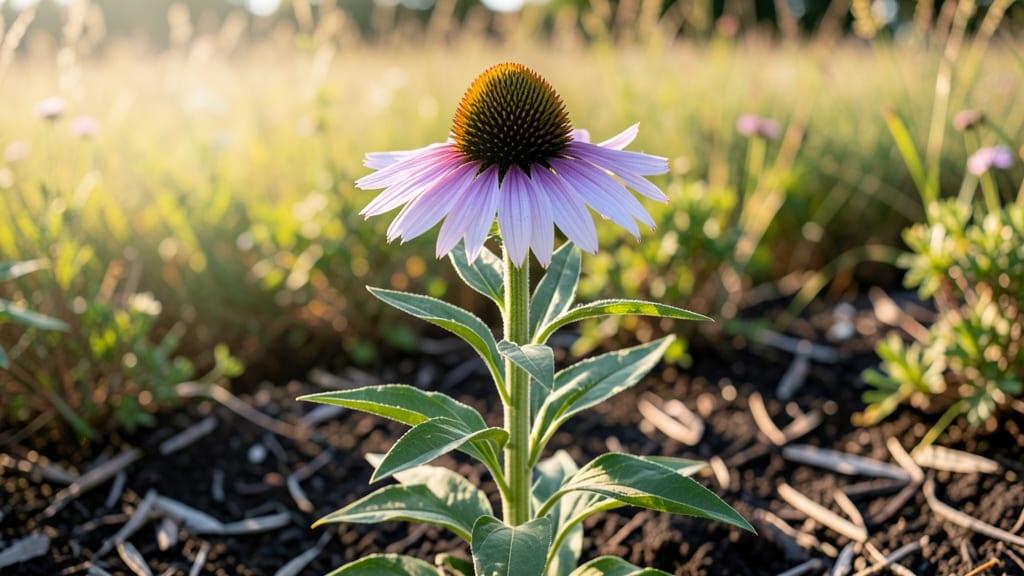
Cone flowers grow between 1 and 5 feet tall, depending on the variety and growing conditions, making them a versatile choice for almost any garden space.
If you're dreaming of adding dramatic vertical interest to your garden with low-maintenance beauty, cone flowers (Echinacea) could be your perfect solution—but first, you need to know their exact growth habits.
The tallest varieties, like 'Magnus' or 'White Swan,' can reach up to 5 feet, while dwarf types like 'Green Envy' stay compact at just 1 to 2 feet. This range means you can use them in borders, pollinator gardens, or even as a striking focal point.
In this guide, I’ll break down the height differences by variety, how sunlight and soil affect growth, and simple pruning tips to manage their size—so you can plan your garden with confidence.
Dwarf
1-2 ft
Container friendly
Semi-Dwarf
2-3 ft
Most popular
Standard
3-5 ft
Full orchard size
Cone flower height by variety: exact growth ranges for popular species
When planning your garden, knowing the exact height of your cone flowers helps create stunning visual layers. Echinacea varieties range from compact dwarf types to towering tall cultivars, each perfect for different garden spaces.
The mature height of these perennials determines their ideal placement—whether as border accents or back-of-bed stars.
Most gardeners assume all cone flowers reach similar heights, but the truth is far more diverse. For example, the Echinacea purpurea (purple coneflower) typically grows between 2-5 feet tall, while Echinacea pallida (pale purple coneflower) stays shorter at 2-3 feet.
Even within the same species, cultivar differences can mean a 1-foot height variation.
Understanding these growth patterns lets you mix tall varieties with low-growing companions for perfect garden balance. Below, I’ve compiled exact height ranges for 10 popular Echinacea varieties, including their growth habits and ideal uses.
| Variety |
Common Name |
Mature Height |
Spread |
Growth Habit |
Best For |
| Echinacea purpurea |
Purple Coneflower |
3-5 ft |
1.5-2.5 ft |
Upright, clumping |
Back of borders, pollinator gardens |
| Echinacea pallida |
Pale Purple Coneflower |
2-3 ft |
1-2 ft |
Semi-upright, bushy |
Prairie-style gardens, meadows |
| Echinacea 'White Swan' |
White Coneflower |
3-4 ft |
1.5-2 ft |
Upright, sturdy |
Cut flowers, cottage gardens |
| Echinacea 'Green Envy' |
td style="padding: 10px; border-bottom: 1px solid #ffcc00;">Green Coneflower
2.5-3.5 ft |
1-2 ft |
Compact, bushy |
Container gardens, small spaces |
| Echinacea 'Magnus' |
Tall Purple Coneflower |
4-5 ft |
2-3 ft |
Very upright, strong stems |
Backdrop plants, tall borders |
| Echinacea 'Hot Papaya' |
Orange Coneflower |
2-3 ft |
1.5-2 ft |
Bushy, rounded |
Pollinator gardens, sunny beds |
| Echinacea 'White Lustre' |
White
How cone flower height affects garden design: placement strategies
Understanding cone flower height is key to creating a garden that feels balanced and intentional. Taller varieties like Echinacea purpurea can reach 4-5 feet, while dwarf types like Echinacea 'White Swan' stay compact at 1-2 feet.
This range lets you strategically place them to create layers, from foreground accents to backdrop statements.
For small gardens or containers, choose dwarf coneflowers (18-24 inches) to avoid overwhelming space. In larger landscapes, taller varieties (36+ inches) thrive as border plants or pollinator-friendly backdrops. The secret? Matching height to your design goals while respecting each variety's natural growth habit.
-
🌿 Dwarf Varieties (18-24"): Perfect for front borders or container gardens. Examples: 'White Swan', 'Hot Papaya'.
-
🌳 Medium Heights (24-36"): Ideal for mid-border placement or pollinator gardens. Examples: 'Magnus', 'Green Envy'.
-
🌻 Tall Varieties (36-50"): Best for backdrop planting or cut flower arrangements. Examples: 'Whitewell Purple', 'Jelly Bean'.
-
🪴 Spacing Rule: Allow 18-24" spacing for dwarf types, 24-36" for medium, and 36-48" for tall to prevent overcrowding.
-
🌼 Companion Pairing: Plant with black-eyed Susans (similar height) or salvias (shorter) for layered texture.
When designing flower beds, place taller coneflowers at the back where they can shine without blocking sunlight for shorter plants. In perennial borders, alternate heights every 12-18 inches for a natural, flowing look.
For container gardens, mix dwarf coneflowers with trailing plants like lobelia to create vertical interest without bulk.
Pro tip: If you love tall coneflowers but have limited space, try staking or light pruning in early spring to control height while maintaining blooms. This works especially well for 'Green Envy', which can grow 4 feet but responds well to pruning.
For pollinator gardens, taller varieties create landing platforms for bees and butterflies, while shorter ones provide accessible forage for ground-dwelling insects. Place them in sunny, open areas where they can be easily spotted by wildlife. The height variation also adds visual intrigue as pollinators move through your garden.
Remember, cone flowers are perennials, so their height will only increase over time. Plan accordingly—what looks perfect now may need adjustments in 3-5 years as they mature.
Start with a sketch of your garden layout, marking where each height zone will go, and watch your design come to life! 🌼
★★★★★4.6(7 reviews)
|