
Flowers
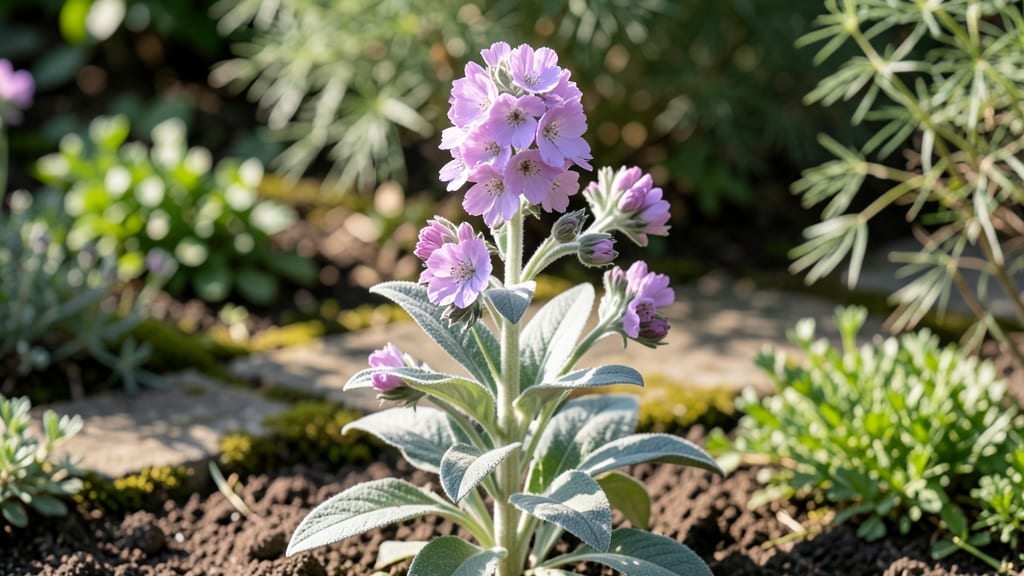
Stock flowers grow between 1 and 4 feet tall, depending on the variety—whether you choose a dainty dwarf or a showstopping giant 🌸.
If you're dreaming of fragrant, vibrant stock flowers but unsure whether they’ll tower over your garden or stay compact in containers, you’re in the right place. These versatile blooms adapt beautifully to different spaces, making them a favorite for borders, containers, and cut flower arrangements.
The key to their height lies in the cultivar: dwarf varieties like 'Little Rocket' stay under 12 inches, while standard types reach 2 to 3 feet, and giants like 'Giant Purple' can stretch up to 4 feet.
Proper sunlight, soil, and occasional pruning can also nudge them toward their full potential—or keep them in check.
In this guide, I’ll break down how to pick the right height for your space, when to support tall stems, and how to combine them with other plants for a stunning, well-balanced garden display.


Stock flower height ranges by variety: from dwarf to giant blooms
Stock flowers (Matthiola incana) are incredibly versatile, offering height variations that let you tailor them to any garden space. Whether you're dreaming of towering floral displays or compact container gardens, there's a stock variety perfect for your vision.
The key to success starts with understanding how height impacts placement—dwarf varieties thrive in window boxes, while giants need dedicated garden space.
From 6-inch dwarfs to 48-inch giants, stock flowers grow in three distinct height categories. Each category brings unique benefits: dwarf varieties create lush borders, standard heights work well in mixed beds, and giant blooms make stunning cut flowers.
Let's explore these categories with specific examples to help you choose the perfect fit for your garden design.
🌸 Pro Tip: Always check seed packets for height ranges—some varieties can vary by 2-3 inches based on growing conditions. Your local climate and soil quality play a big role in determining how tall your stock flowers will grow!
Dwarf stock varieties like 'Dwarf Rainbow' reach just 6-12 inches tall, making them perfect for container gardens and window boxes. Their compact size allows you to create vibrant displays in small spaces without sacrificing color.
These varieties typically bloom earlier than their taller counterparts, giving you a head start on your seasonal color palette.
When selecting standard-height stocks (18-24 inches), consider varieties like 'Giant Purple' for cut flower arrangements. These medium-height plants strike a balance between garden presence and easy maintenance. They work beautifully in mixed borders where you want height variation without overwhelming your design.
For tall and giant varieties, expect 24-48 inches of floral spikes that create dramatic focal points. The 'Giant Rainbow' variety can reach nearly 4 feet tall, making it ideal for cut flower farms or as a backdrop plant in large gardens.
These varieties often require staking or support to prevent flopping, especially in windy conditions.
Height isn't just about aesthetics—it also affects growing requirements. Taller varieties typically need more frequent watering and stronger stems to support their weight. I've found that giant stocks benefit from richer soil and regular fertilization to achieve their maximum height potential.
Container gardening with stock flowers? Dwarf and semi-dwarf varieties are your best bet. A 10-inch pot can comfortably hold 3-5 dwarf plants, while a 12-inch pot can accommodate 2-3 standard-height varieties. Remember to use well-draining soil and adequate drainage holes to prevent root rot in containers.
If you're planning a cut flower garden, consider planting a mix of heights. Start with tall varieties at the back, medium heights in the middle, and dwarf varieties in the front.
This layered approach creates visual interest while making it easier to harvest stems of varying lengths for your arrangements.
One common mistake I see is overcrowding taller varieties. Give
Do stock flowers need support? Staking and training tips for tall varieties
Tall stock varieties like 'Giant Purple' or 'Dwarf Rainbow' can reach heights of 3-4 feet, creating stunning vertical accents in your garden. But their slender stems often struggle to support heavy blooms, especially in windy conditions.
Without proper support, these elegant stock flowers can flop over, ruining their dramatic effect and making harvesting difficult.
Even lightweight varieties may need guidance when planted in exposed areas. The key is understanding when and how to provide support—whether through staking, trellising, or pruning techniques.
I’ve found that tall stock flowers over 24 inches almost always benefit from some form of training, while shorter varieties often stand well on their own.
Stock flowers can grow 3-4 feet tall, but their slender stems often can't support heavy blooms. Giant varieties like 'Giant Purple' (36-48 inches) need support from early growth to prevent flopping. Even standard types (24-36 inches) may lean in windy areas. Dwarf varieties (6-12 inches) rarely need support.
For tall stock flowers, I recommend using bamboo stakes or soft plant ties to gently secure stems without damaging them. Insert stakes 2-3 inches into the soil beside each plant when they reach 12 inches tall.
Use twist ties or cloth strips to loosely bind stems, allowing room for growth while providing stability.
Trellises work beautifully for creating vertical displays while saving space. Opt for lightweight metal or wooden trellises that won't weigh down the stems. Train vines by gently weaving them through the trellis as they grow—this method works especially well for spreading varieties like 'Rainbow Mix'.
Remember to prune regularly to encourage bushier growth and prevent overcrowding.
Wind resistance is another critical factor. If you're in a windy climate, consider planting tall stock flowers near natural windbreaks like hedges or fences. For container gardening, choose smaller varieties or use mini trellises to support stems.
I’ve had great success with 'Dwarf Rainbow' in 12-inch pots paired with decorative stakes for added charm.
Pruning plays a crucial role in maintaining supportable growth. Pinch back the tips of young plants to encourage stronger stems and more branches. Once flowering begins, remove spent blooms to redirect energy to new growth.
This simple technique can make a huge difference in stem strength and overall plant health, especially for tall varieties that need to support heavy flower spikes.