
How To
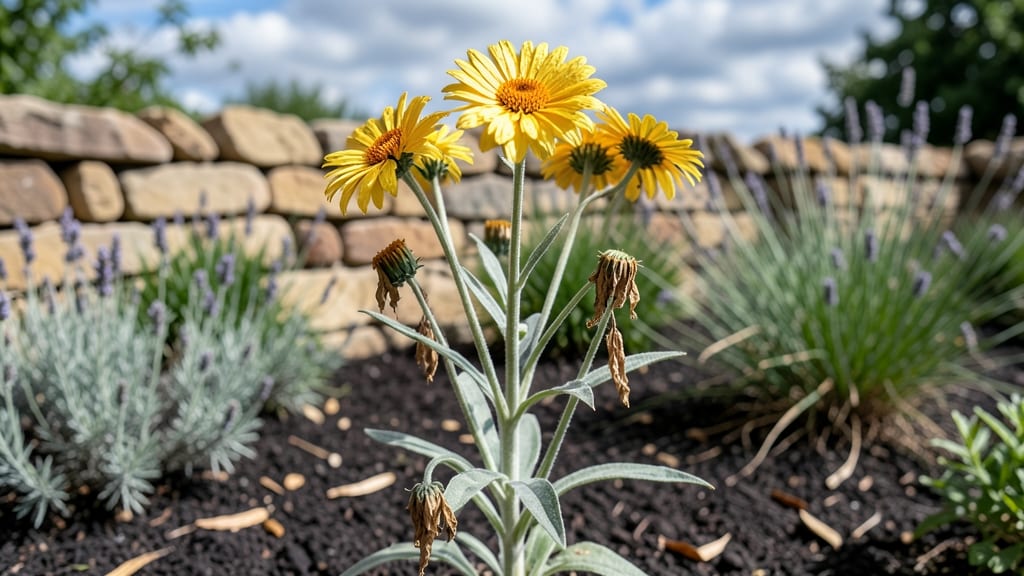
Strawflowers grow between 1 to 3 feet tall at maturity, but their exact height depends on the variety and how you care for them.
Imagine planning your garden’s back row—only to realize your tall strawflowers (🌼) are towering over your shorter perennials by summer. The difference between a dwarf variety at 1 foot and a standard type reaching 3 feet can completely change your layout.
Whether you’re growing them for cut flowers or as a border, knowing how tall strawflowers will get helps you space them correctly. Some varieties even respond to pruning, letting you control their height for a cleaner, more intentional look.
Below, I’ll break down the height ranges by popular varieties, share tips to encourage or restrict growth, and explain why some plants stay short while others stretch for the sky.


Strawflower height ranges by popular variety (with growth charts)
Strawflowers (Helichrysum bracteatum) are stunning annuals that thrive in sunny gardens, but their mature height can differ significantly between varieties. Whether you're designing a flower border or creating long-lasting bouquets, knowing the exact height range helps you plan spacing and support needs.
Some varieties stay compact, while others reach towering heights—sometimes 3 feet or more—so let's break down the most popular types and their growth characteristics.
From the dwarf varieties perfect for containers to the tall mammoth types ideal for cutting gardens, each strawflower cultivar has its own growth pattern. The key factors influencing height include genetics, sunlight exposure, and soil fertility.
For example, a 'Rainbow' strawflower might stay under 2 feet in partial shade but stretch toward 3 feet with full sun and rich soil.
Here's a quick reference for the most common strawflower varieties, including their mature height, spread, and ideal spacing to prevent overcrowding. This growth chart will help you visualize how each type develops from seedling to full bloom.
| Variety | Mature Height | Spread | Ideal Spacing | Best For |
|---|---|---|---|---|
| 'Dwarf' Series | 12–18 inches | 12–15 inches | 8–12 inches apart | Containers, borders, rock gardens |
| 'Mammoth' Series | 24–36 inches | 18–24 inches | 18–24 inches apart | Cut flowers, back of borders |
| 'Rainbow' Mix | 18–24 inches | 15–18 inches | 12–15 inches apart | Pollinator gardens, mixed borders |
| 'Limelight' | 20–28 inches | 16–20 inches | 15–18 inches apart | Cut arrangements, drought-tolerant gardens |
| 'Moonwalker' | 18–24 inches | 12–15 inches | 10–12 inches apart | Hanging baskets, window boxes |
The 'Dwarf' strawflower series is my go-to for small spaces, like window boxes or patio containers, where height must stay under 18 inches. These varieties rarely exceed 1.5 feet and thrive in well-draining soil with minimal fertilizer.
Their compact size makes them perfect for urban gardens where space is limited.
On the opposite end of the spectrum, the 'Mammoth' strawflower varieties can reach 3 feet or taller when given ideal conditions. These towering beauties need sturdy stakes or support to prevent flopping, especially in windy areas.
I always plant them toward the back of borders or in dedicated cutting gardens to avoid overshadowing smaller plants.
For a balanced look, the 'Rainbow' mix offers versatility with heights between 18–24 inches. This variety is excellent for pollinator gardens because its vibrant colors attract bees and butterflies. When spacing, I recommend 12–15 inches apart to ensure good airflow and prevent fungal diseases like powdery mildew.
If you're growing strawflowers for long-lasting cut flowers, the 'Limelight' variety is a standout. Its 20–28 inch height provides sturdy stems for bouquets, and its drought tolerance makes it low-maintenance once established.
I always harvest these in the early morning when stems are fully hydrated for the longest vase life.
Lastly, the '
How to control strawflower height: pruning, staking, and care tips
Managing the height of your strawflowers is key whether you want compact plants for borders or taller stems for bouquets. With the right techniques, you can encourage or restrict growth naturally.
The secret lies in understanding when to prune, how to stake, and how to adjust your care routine for optimal results.
Strawflowers typically grow between 1-4 feet tall, but their final height depends on variety, sunlight, and soil conditions. For example, 'Mammoth' varieties can reach 3-4 feet while 'Dwarf' types stay under 1.5 feet.
By using targeted methods, you can steer your plants toward your desired height range without sacrificing their stunning blooms.
🌱 How to Control Strawflower Height
- 1. Prune for bushiness: Pinch back top growth when plants are 6 inches tall to encourage wider, shorter plants.
- 2. Use stakes early: Insert bamboo stakes at planting for tall varieties to prevent flopping.
- 3. Limit nitrogen: Avoid high-nitrogen fertilizers to prevent excessive stem growth and legginess.
- 4. Deadhead regularly: Remove spent blooms to redirect energy to stronger stems and more flowers.
- 5. Adjust sunlight: Partial shade can reduce height by 10-20% compared to full sun.
Pruning is one of the most effective ways to control height. For bushier, shorter strawflowers, pinch off the top sets of leaves when plants are about 6 inches tall. This encourages lateral branching, creating a fuller plant with more blooms at a lower height.
If you're growing tall varieties like 'Mammoth', avoid heavy pruning—focus instead on removing only dead or damaged stems.
Staking becomes essential for varieties that exceed 2.5 feet tall. Use bamboo or wooden stakes inserted at planting time, tying stems gently with soft plant ties.
Avoid tight bindings that can restrict growth or damage stems. For extra support, try tomato cages which provide support without the need for tying.
Soil and fertilizer choices play a surprising role in height control. Strawflowers thrive in well-draining soil with a slightly alkaline pH (6.5-7.5). To keep plants shorter, use a low-nitrogen fertilizer (like 5-10-10) and avoid over-fertilizing.
For taller plants, add a light application of compost to encourage root development and stem strength.
Remember that watering habits also impact height. Deep, infrequent watering promotes stronger root systems, while shallow, frequent watering can lead to leggy growth. Water at the base of plants in the morning to prevent fungal issues that can weaken stems.
With these simple adjustments, you'll have strawflowers at exactly the height you want for your garden design.