
Flowers
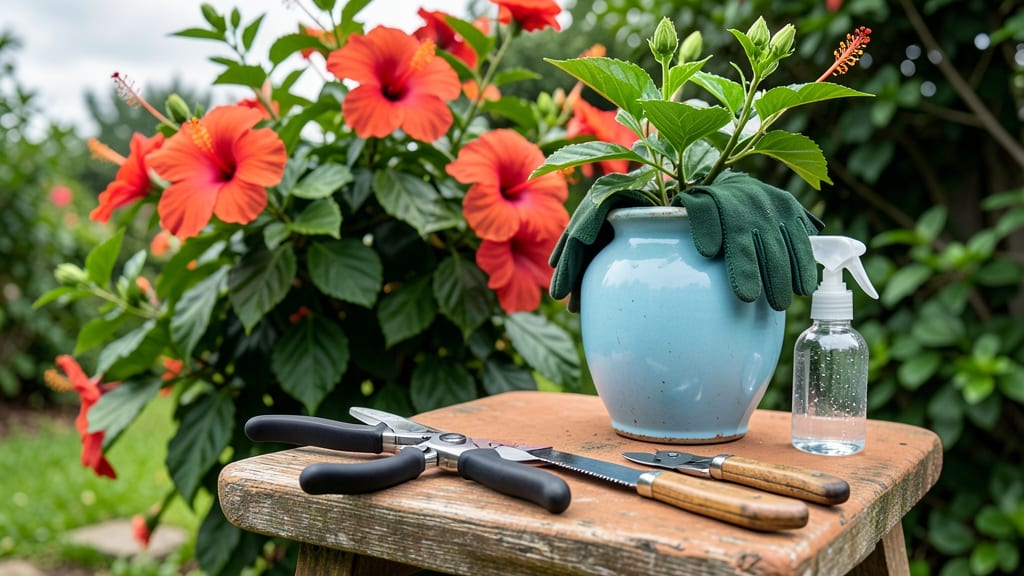
To harvest hibiscus flowers at their peak—when petals are vibrant and stems are sturdy—pick them in the morning after dew has dried, just as they fully unfold 🌸.
Hibiscus flowers aren’t just stunning—they’re edible, medicinal, and perfect for crafts, but timing their harvest wrong can ruin their flavor and beauty. That’s why knowing the best moment to snip them makes all the difference, whether you’re saving them for tea, garnishes, or dried arrangements.
Most gardeners assume any open bloom is ready, but the truth is more nuanced: petals must be fully dry but not yet wilted, and the stem should snap cleanly with a slight resistance. Miss this window, and you’ll end up with limp flowers that lose their color fast.
In this guide, I’ll walk you through the exact steps to harvest hibiscus flowers without stressing your plant, plus how to prune for even more blooms. You’ll also learn how to preserve them for crafts or culinary use—no wasted flowers here!

Best times to harvest hibiscus flowers for maximum flavor and longevity
Harvesting hibiscus flowers at the right moment ensures maximum flavor, vibrant color, and longer vase life. Unlike many flowers, hibiscus thrive when picked at peak maturity, whether for tea, garnishes, or dried arrangements.
The key lies in understanding bloom stages, weather conditions, and time of day—each factor dramatically impacts flavor and longevity.
For edible hibiscus, like the roselle variety, timing is critical to preserve their tart, citrusy notes. Ornamental types, such as Hibiscus syriacus, should be harvested when their petals are fully unfurled but still firm to the touch.
Skipping these cues can lead to bitter flavors or wilted petals that spoil your arrangements or culinary creations.
Morning harvests are ideal because dew has evaporated and petals are fully hydrated. Avoid picking after midday heat or evening humidity, as these conditions cause petals to wilt faster and lose their bright color.
Even a 2-hour difference can mean the difference between a fresh, crisp bloom and one that’s already on its way to spoiling.
Seasonal variations also play a role. In summer’s peak heat, hibiscus flowers mature faster, so check blooms daily. In cooler spring or fall, blooms may take longer to open, so patience is key.
Always harvest before rain to prevent waterlogged petals, which can cause mold and shorten shelf life.
To test if a hibiscus flower is ready for harvest, gently squeeze the petals. If they feel firm but pliable, it’s time to pick. Avoid harvesting buds that are still closed—these lack full flavor and often wilt prematurely.
For edible varieties, like Hibiscus sabdariffa, wait until the calyx (green base) turns deep red and the petals fully unfurl.
Use clean, sharp pruning shears to cut stems at a 45-degree angle, about 1–2 inches below the bloom. This encourages new growth and prevents disease entry points.
Remove lower leaves along the stem to reduce moisture loss, which helps flowers last longer in water or dry more evenly.
After harvesting, store flowers immediately in the fridge if using them within 3–5 days. For drying, hang stems upside down in a dark, well-ventilated area for 7–10 days. This preserves their color and texture for crafts or tea blends.
If you’re making hibiscus tea, harvest only the calyces (the bulbous base) when they’re fully ripe and red.
Over-harvesting weakens your plant, so never take more than 1/3 of the blooms at once. Space out harvests by 2–3 days to maintain continuous flowering. With the right timing, your hibiscus will reward you with abundant, long-lasting blooms all season long.
Pro tip: Keep a harvest journal to track which times of day and weather conditions yield the best results for your specific hibiscus variety. Small adjustments—like harvesting an hour earlier on hot days—can make a big difference in flavor and vase life.
Step-by-step pruning techniques to encourage more blooms after harvesting
After harvesting hibiscus flowers, proper pruning is key to keeping your plant healthy and encouraging a second flush of vibrant blooms. Hibiscus responds well to strategic cuts, but the wrong technique can stress your plant or invite disease.
The goal is to remove spent blooms while stimulating new growth—without overdoing it.
Start by gathering your tools: sterilized pruning shears, a small pair of hand pruners, and a disinfectant solution (like rubbing alcohol). Hibiscus stems are woody, so sharp tools prevent jagged cuts that slow healing. Always clean your tools between cuts to avoid spreading fungal spores or bacteria.
How to Prune Hibiscus for More Blooms
- 1 Identify spent blooms: Look for flowers that have fully opened and now appear wilted or dried out. These are ready for removal to redirect the plant’s energy.
- 2 Cut at a 45-degree angle: Use your pruners to make a clean cut 1/4 inch above a leaf node or bud. This angle helps water run off, reducing rot risk.
- 3 Remove only 1/3 of the plant: Never trim more than one-third of the foliage at once. Hibiscus is resilient, but over-pruning can shock the plant and delay regrowth.
- 4 Focus on outward growth: Prioritize cuts that open up the plant’s center. This improves airflow and sunlight penetration, which reduces humidity-related diseases like powdery mildew.
- 5 Disinfect tools between cuts: Wipe your pruners with rubbing alcohol after every 3-5 cuts. This prevents the spread of bacterial or fungal infections between branches.
- 6 Compost or propagate: Collect pruned stems in a bucket. Smaller, healthy stems can be rooted in water for propagation, while larger woody cuts go to the compost pile.
After pruning, give your hibiscus a light fertilizer to support new growth. Use a balanced 10-10-10 fertilizer diluted to half-strength, applied directly to the soil. Avoid fertilizing immediately after heavy pruning, as the plant needs time to recover and heal.
Monitor your hibiscus for new buds forming within 4-6 weeks. If you notice yellowing leaves or stunted growth, reduce watering slightly and ensure the plant gets at least 6 hours of sunlight daily.
With the right pruning technique, your hibiscus can reward you with continuous blooms throughout the growing season.
For tropical hibiscus varieties, you can prune lightly every 4-6 weeks to maintain shape and encourage blooms. In cooler climates, wait until spring to prune, as hibiscus may go semi-dormant in winter.
Always prune in the morning to allow wounds to dry out during the day, reducing the risk of infection.