
Planting
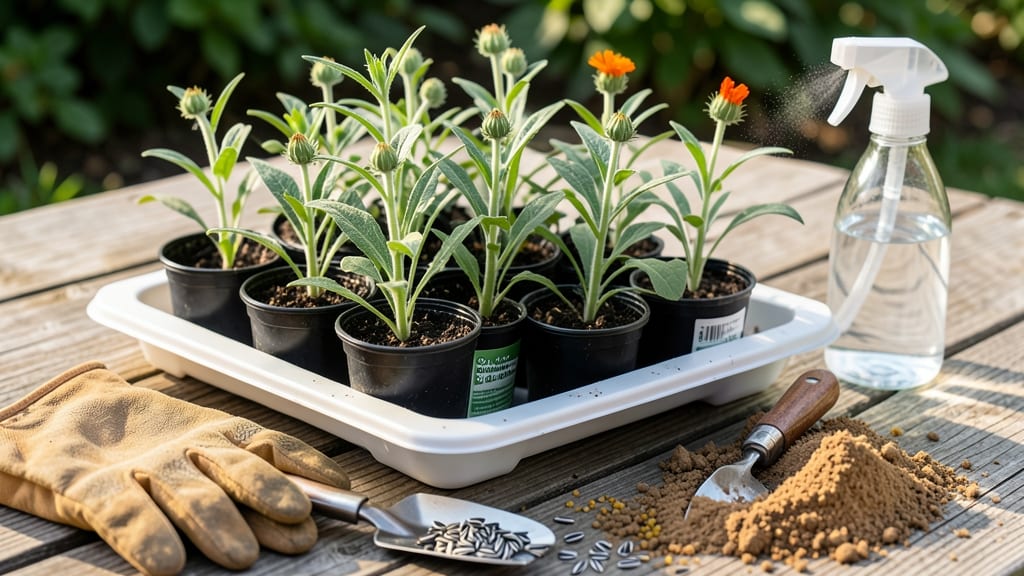
To plant safflower 🌻 for fast germination, you’ll want to start with direct sowing in well-prepared soil after the last frost—typically between March and May in most regions.
Safflowers aren’t just beautiful additions to your garden—they’re drought-tolerant, fast-growing, and perfect for attracting pollinators. But planting them right is key to unlocking their full potential, especially when it comes to direct sowing for rapid germination.
If you’ve ever struggled with slow-starting seeds or uneven growth, you’re not alone. The secret lies in the soil, spacing, and timing—small details that make a huge difference in how quickly your safflowers take off.
In this guide, I’ll walk you through the exact steps for planting safflower seeds, from soil prep to watering, so you can enjoy vibrant blooms in just 90 days or less.
Optimal direct sowing techniques for safflower seeds
Direct sowing safflower seeds is the fastest way to grow these stunning drought-resistant annuals. Unlike transplants, seeds sown directly in the garden establish deeper roots and thrive in well-drained soil with minimal fuss.
The key lies in precise timing, soil prep, and planting depth—all of which I’ve perfected over years of growing safflowers in USDA Zone 6a and beyond.
Safflowers love warmth, so aim to plant seeds 2-4 weeks after your last frost date (typically March–May in most regions). In warmer climates, you can even start as early as February for a summer-long bloom.
The trick is balancing soil temperature and moisture—too cold, and germination stalls; too hot, and seeds dry out before sprouting.
How to Plant Safflower Seeds Directly in the Garden
- Step 1: Choose the Right Location Select a spot with full sun (6+ hours daily) and well-draining soil. Safflowers hate soggy roots, so avoid low-lying areas.
- Step 2: Prepare the Soil Loosen soil to a depth of 12 inches with a garden fork. Mix in compost or aged manure (1 inch per square foot) for nutrients.
- Step 3: Test Soil Temperature Use a soil thermometer—ideal germination occurs at 60–70°F (15–21°C). If cooler, wait or use a black plastic mulch to warm the soil.
- Step 4: Sow Seeds at the Right Depth Plant seeds 0.5 inches deep, spacing them 12–18 inches apart in rows 2 feet apart. Press lightly to ensure soil contact.
- Step 5: Water Gently but Firmly Use a fine mist spray to moisten soil without displacing seeds. Aim for 1 inch of water per week (morning watering preferred).
- Step 6: Thin Seedlings (If Needed) Once seedlings reach 2 inches tall, thin to 18–24 inches apart to prevent overcrowding. Use scissors to avoid disturbing roots.
- Step 7: Mulch for Moisture Retention Apply 2 inches of straw or wood chips to suppress weeds and retain soil moisture, especially in dry climates.
Regional adjustments matter! In cooler climates (Zones 3–5), opt for late spring planting (May–June) to avoid frost. Meanwhile, in hotter zones (7–10), plant in fall (September–October) for a winter bloom. Safflowers are fast-growing—expect sprouts in 7–14 days under ideal conditions.
One common mistake? Overwatering after germination. Safflowers are drought-tolerant once established, so let soil dry slightly between waterings. Yellowing leaves often signal overwatering or poor drainage, while slow growth may mean insufficient sunlight or cool soil. Adjust care based on these clues.
For container growing, use pots at least 12 inches deep with drainage holes. Plant 1–2 seeds per container and place in a sunny spot. Containers dry out faster, so monitor soil moisture closely. Safflowers in pots may need weekly watering in summer.
Pro tip: Mix safflower seeds with radish seeds for an early harvest. Radishes sprout quickly, marking where safflowers will emerge later. This dual-planting trick saves space and time in small gardens.
With these techniques, you’ll enjoy vibrant safflower blooms in as little as 90–120 days. Their golden-yellow flowers attract bees and butterflies while adding height and texture to your garden. Happy planting! 🌻
Safflower seed germination requirements: what you must know
Getting your safflower seeds to sprout successfully depends on three key factors: temperature, moisture, and light exposure. Unlike some delicate annuals, safflowers thrive when you mimic their natural Mediterranean climate conditions.
Let’s break down exactly what your seeds need to burst from dormancy in 7-14 days—or troubleshoot if they’re taking longer.
First, ideal germination temperature for safflowers sits between 70-85°F. If your soil is cooler than this, germination slows dramatically. I’ve seen seeds take 3+ weeks in 55°F soil, while warm soil (80°F+) produces sprouts in just 5-7 days.
Use a seedling heat mat if your spring soil is still chilly after the last frost date.
Moisture is equally critical—consistent dampness (not soggy) is non-negotiable. Safflower seeds need 1-2 inches of water per week during germination, but avoid overwatering, which can cause rot. I recommend using a spray bottle to keep soil evenly moist until sprouts appear. A moisture meter helps avoid guesswork.
Light exposure is where many gardeners trip up. While safflowers love full sun once established, germinating seeds prefer indirect light. Direct sunlight can dry out the soil too quickly.
Place your seed trays near a south-facing window or under grow lights set to 12-14 hours/day. Once sprouts emerge, move them to brighter light gradually.
| Factor | Requirement | Specification | Troubleshooting Tip |
|---|---|---|---|
| Temperature | Optimal Range | 70-85°F (21-29°C) | Use heat mat if soil <55°F |
| Moisture | Consistency | Evenly damp (not soggy) | Mist daily; avoid puddles |
| Light | Germination Stage | Indirect light (12-14 hrs) | Move to sun after sprouts |
| Soil | Type | Well-draining, loamy | Add perlite if clay-heavy |
| Depth | Planting | 0.5 inches max | Deeper = slower sprouting |
If your safflower seeds aren’t sprouting within 2 weeks, check for these common issues: overwatering (which causes rot), compacted soil (seeds can’t push through), or old seeds (viability drops after 2 years). I’ve had luck soaking seeds in lukewarm water for 24 hours before planting to kickstart germination.
Once sprouts appear, thin them to 12-18 inches apart to prevent competition. Safflowers are resilient once established, but giving them the right start with proper temperature, moisture, and light sets the stage for healthy, vibrant blooms by midsummer. 🌻