
Diseases
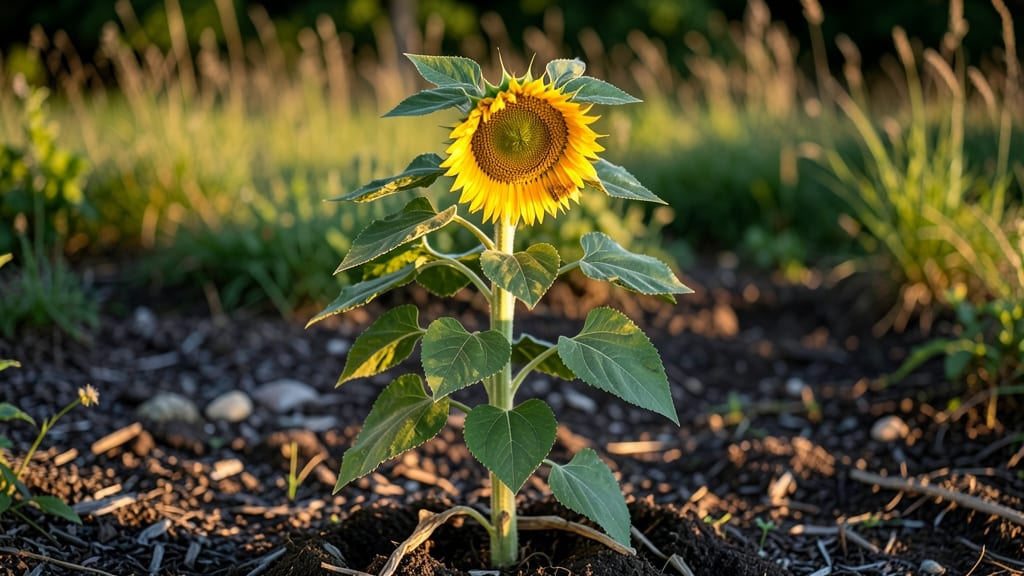
Sunflowers with large leaves often signal a plant that’s thriving—but not always in the way you’d expect. 🌻 If your sunflower leaves are sprawling like dinner plates, it’s usually a sign of overfeeding, too much water, or just the wrong variety for your space.
That said, these towering leaves aren’t always a bad thing. In fact, they can mean your plant is getting exactly what it needs—just not always what you need.
The real question is whether you want those leaves to keep growing or if you’d rather see more blooms and fewer giant foliage sheets.
In this guide, I’ll break down why your sunflowers are producing oversized leaves, how to control them if they’re getting out of hand, and which varieties naturally stay more compact. You’ll also learn how to balance nutrients, sunlight, and spacing for a stronger, more productive plant.
Whether you’re dealing with 6a-zone sunflowers or just love the look of a classic giant, these tips will help you grow sunflowers that are as impressive for their blooms as they are for their leaves.
Why sunflower leaves grow unnaturally large (science behind the size)
Sunflowers are nature’s showstoppers, but when their leaves grow to plate-sized proportions, it’s usually a sign your plants are sending you a message. These massive leaves aren’t just a quirky trait—they’re often a response to genetic triggers, environmental stress, or nutrient imbalances.
Understanding the science behind this growth helps you decide whether to embrace it or correct it for healthier blooms.
At the core, sunflower leaves expand when the plant prioritizes foliar growth over reproductive energy. This happens most commonly in young plants or those under suboptimal conditions. For example, a sunflower variety like Mammoth naturally produces larger leaves, but even dwarf varieties can overgrow leaves if stressed.
The key is recognizing whether this growth is natural or a red flag for deeper issues.
🌱 SUMMARY-TABLE: Key Factors Behind Large Sunflower Leaves
One of the most common culprits is excess nitrogen, which fuels leafy growth at the expense of flowers. Sunflowers are heavy feeders, but too much nitrogen sends them into leaf-production overdrive, leaving you with lush foliage and tiny buds.
If your soil test shows high nitrogen levels, switch to a balanced 5-10-10 fertilizer to encourage blooms instead.
Another surprising trigger is water stress. While sunflowers are drought-tolerant once established, inconsistent moisture—whether from drought or overwatering—can cause leaves to swell as a stress response. The plant essentially grows larger leaves to maximize water absorption through their surface area.
Aim for deep watering 2–3 times per week during dry spells to maintain steady growth.
Sunlight plays a critical role too. Sunflowers need 6–8+ hours of direct sun daily to thrive. When deprived of light, they stretch their leaves wider to capture more photons, resulting in those oversized, pale-green monsters.
If your sunflowers are in a shady spot, consider relocating them or supplementing with a grow light for 4–6 hours daily.
Even crowded spacing can trigger excessive leaf growth. When sunflowers compete for nutrients, they prioritize leaf expansion to compete for sunlight. Thin your seedlings to 18–24 inches apart for large varieties or 12 inches apart for dwarf types.
This gives each plant enough room to develop strong stems and vibrant blooms without leafy overgrowth.
Finally, some sunflower varieties are genetically predisposed to larger leaves. For example, 'Russian Giant' sunflowers naturally produce massive foliage as part of their growth pattern. If you’re growing these types, embrace the leaves—they’re a sign of a healthy, vigorous plant!
However, if you’re growing dwarf varieties like 'Teddy Bear', unusually large leaves may indicate an underlying issue.
Large leaves aren’t always bad—they can be a sign of a thriving plant with ample resources. But if your sunflowers are producing more leaves than blooms, it’s time to adjust your care routine. The goal is balance:
How to control large sunflower leaves for better blooms
Sunflowers naturally produce large leaves, but when they become excessively oversized, it can signal your plant is putting too much energy into foliage instead of flower development.
The good news? With a few targeted adjustments, you can redirect that growth toward bigger, healthier blooms while keeping your sunflowers looking their best.
Balancing leaf size and flower production starts with understanding your sunflower’s needs. Too much nitrogen in the soil or overcrowded spacing often triggers lush leaf growth at the expense of blooms.
By tweaking your fertilizer, pruning, and planting layout, you’ll encourage your sunflowers to focus on what matters most: those stunning yellow faces you planted them for.
Start by thinning your seedlings if they’re growing too close together. Sunflowers need 12–24 inches of space between plants, depending on the variety. When seedlings are about 4–6 inches tall, gently snip the weakest stems at the base, leaving only the strongest 2–3 plants per square foot.
This reduces competition for nutrients and sunlight, helping the remaining plants focus on flower development.
If your sunflowers already have large leaves, prune selectively to encourage bushier growth and more blooms. Focus on removing only the largest leaves—typically the lower leaves that are shading the stem. Use clean, sharp pruning shears to cut just above a leaf node or side branch.
Avoid cutting into the main stem, as this can stunt growth. Repeat this process every 2–3 weeks during the growing season for best results.
Fertilizer plays a critical role in managing leaf size. Sunflowers need balanced nutrients, but too much nitrogen promotes leafy growth while phosphorus and potassium support blooms. Switch to a low-nitrogen fertilizer, like a 5-10-10 blend, and apply it every 4–6 weeks during the growing season.
For an organic option, use composted manure or bone meal to boost phosphorus without overfeeding the leaves.
Finally, ensure your sunflowers get full sun exposure—at least 6–8 hours daily. Partial shade can cause leaves to grow larger as they stretch toward light, while too much shade reduces flower production.
If your sunflowers are in a container, place them in the sunniest spot on your patio or balcony. Mulch around the base with straw or wood chips to retain moisture and regulate soil temperature, which also helps redirect energy toward flower growth.
With these adjustments, your sunflowers will strike the perfect balance between lush foliage and show-stopping blooms. Keep an eye on their progress, and don’t hesitate to tweak your approach—every garden is unique! 🌻