
Flowers
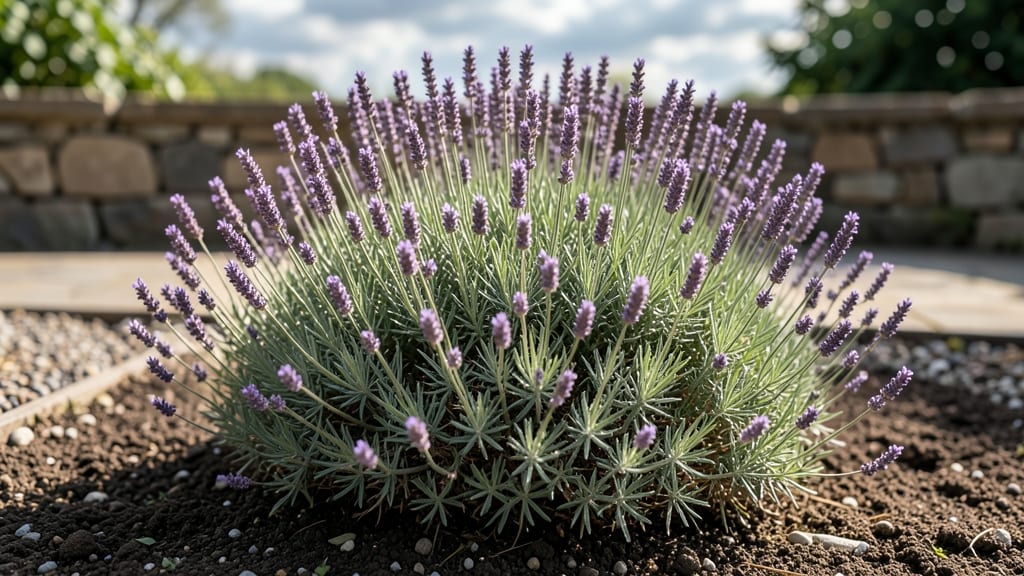
Lavender flowers bloom in late spring through summer—but the exact timing depends on your USDA zone and the variety you’re growing.
If you’ve ever walked through a lavender field and been overwhelmed by its intoxicating scent, you know timing is everything—planting too early or late can leave you with weak blooms or no fragrance at all.
In Zone 6, like many temperate regions, lavender typically bursts into color from June through August, with peak fragrance in July. But cooler climates may see blooms shift slightly earlier, while hotter zones could extend them into early fall.
With the right care—like pruning after flowering and ensuring full sun—you can coax your 🌸 lavender to bloom longer, turning your garden into a fragrant oasis for months.
Lavender flower time by USDA Zone: exact months for peak blooms
Timing is everything when growing lavender, and your USDA zone determines the exact flowering window for your plants. Whether you're in the cooler Zone 5 or the warmer Zone 10, knowing these peak bloom months helps you plan for the best fragrance and harvest.
Lavender thrives on consistency, so let's break down the ideal flowering seasons by region to maximize your lavender oil and bloom duration.
Most lavender varieties bloom in late spring to early summer, but the exact timing shifts with climate. In Zones 5-7, you'll see blooms as early as June**, while Zones 8-10 may experience May or even April flowers.
Understanding these patterns lets you prune at the right time and harvest for optimal oil content. Let’s dive into the specifics so you can enjoy your lavender garden at its fragrance peak.
🌿 Pro Tip: Early bloomers like English lavender often flower first, while Spanish lavender tends to bloom later in the season. This variety difference can extend your harvest window by up to 6 weeks if planted together.
In Zone 5, lavender typically blooms from June to July, with English lavender often leading the way in late May. This cooler climate means shorter growing seasons, so focus on early pruning in late winter to encourage robust spring growth.
The Grosso variety may linger into August, giving you a slightly extended harvest window.
Moving to Zones 6 and 7, lavender blooms earlier—starting as soon as April or May—and can continue through September. Here, Spanish lavender is a standout early bloomer, while Hidcote varieties shine in
Lavender's natural flowering season typically spans June to August in most USDA zones, but with the right care, you can stretch that beauty into early fall or even next spring. The secret lies in pruning techniques, watering strategies, and soil management—all designed to encourage new growth while preserving the plant's health. I've learned that lavender responds beautifully to gentle encouragement, especially when given the right conditions. First, let's address the biggest misconception: lavender doesn't need frequent watering to bloom longer. In fact, overwatering can stunt flowers and encourage rot. Instead, focus on deep, infrequent watering combined with well-draining soil to keep roots happy without stressing the plant. This balance is key to extending that fragrant display you love so much. Here's where things get interesting: pruning isn't just about shaping—it's a strategic way to signal your lavender when to produce new flowers. When done correctly, you can trigger second flushes of blooms that keep your garden smelling like a Provençal field for months. The timing and method make all the difference, and I'll show you exactly how to do it without harming your plants. Don't overlook the power of companion planting—lavender pairs beautifully with other Mediterranean herbs like rosemary, thyme, and oregano. These plants share similar growing conditions and create a symbiotic relationship that enhances fragrance and deters pests naturally. I've noticed that my lavender beds stay healthier and bloom longer when surrounded by these companions. For those in cooler climates (USDA Zones 5-7), consider lightweight row covers in early spring to protect tender new growth from late frosts. This small investment can extend your flowering season by 2-4 weeks without requiring extra water or fertilizer. The key is to balance protection with airflow—lavender hates soggy conditions, so choose breathable materials. Finally, remember that patience is crucial. Lavender is a perennial that builds strength over time. In its first year, focus on establishing healthy roots with minimal pruning. By year two, you'll see dramatic improvements in bloom duration when you apply these techniques consistently. With the right care, your lavender can reward you with continuous fragrance from June through October—or even longer in ideal conditions. 🌿How to extend lavender flowering season for continuous fragrance