
Flowers
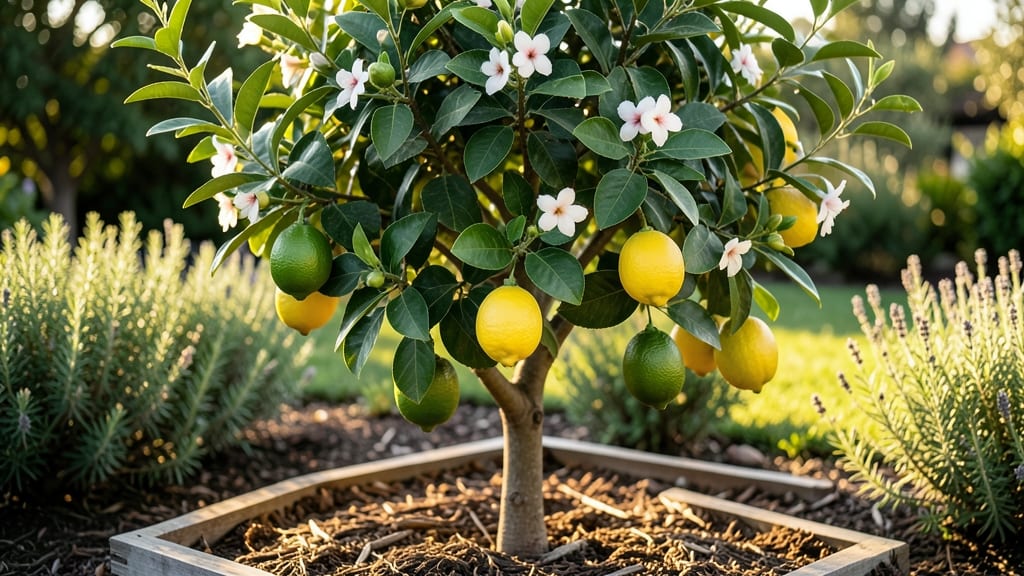
Turning your lemon tree’s 🍋 flowers into fruit isn’t just luck—it’s a science you can master with the right triggers.
Did you know your lemon tree’s blossoms could be silently wasting potential—unless you trigger the right pollination process? Understanding how to convert those delicate white flowers into sweet, juicy fruit is the secret to a bountiful harvest, even for beginner gardeners.
In Zone 9b (or higher), where citrus thrives year-round, the key lies in timing, temperature, and a little help from nature—or your own hands. A single misstep, like skipping fertilization or missing the January-February planting window, can leave you with blossoms but no fruit.
Below, I’ll walk you through the exact steps to double your harvest—from hand-pollination tricks to fixing common mistakes that kill fruit set. No guesswork, just proven results for your 🍋 lemon tree’s next big yield.
The science behind lemon tree flower pollination: how it works naturally
Your lemon tree’s delicate white blossoms hold the promise of juicy fruit, but nature needs a little help to unlock their full potential. The journey from flower to lemon hinges on a precise biological process called pollination, where pollen travels from the male anthers to the female stigma.
Without this step, those beautiful flowers will drop off without producing fruit, leaving you with empty branches.
Lemon trees rely on three main pollination methods: bee pollination, wind pollination, and self-pollination. Each method has unique triggers, from temperature fluctuations to humidity levels, that determine whether your tree will bear fruit.
Understanding these natural mechanisms is the first step to maximizing your harvest—even if you’re growing in a container or urban setting.
🌱
| Pollination Method | Key Triggers | Success Rate | Best Conditions |
|---|---|---|---|
| Bee Pollination | 60-80°F temps, sunny days, blooming flowers | 80-90% | Warm, dry mornings; bee-friendly plants nearby |
| Wind Pollination | Light breezes (3-10 mph), dry pollen | 30-50% | Open, exposed locations; low humidity |
| Self-Pollination | Hand-assisted transfer, warm afternoons | 70-80% | Container-grown trees; indoor settings |
Bees are the superstars of lemon tree pollination, responsible for 80-90% of successful fruit set when conditions are ideal. These tiny pollinators collect nectar from your tree’s flowers while accidentally transferring pollen grains from one blossom to another.
The best time for bee activity is during warm, sunny mornings when temperatures hover between 60-80°F. If your tree is isolated or bees are scarce, you’ll need to step in with hand-pollination techniques.
Wind plays a secondary role, especially in open, rural settings where breezes carry pollen between trees. However, wind pollination is far less efficient—only 30-50% successful—because citrus pollen is heavy and doesn’t travel far.
This method works best in dry, breezy conditions with minimal humidity, which prevents pollen from clumping together.
For container growers or those in urban areas, self-pollination becomes the most reliable method. Lemon trees can pollinate themselves, but they need a little help.
Using a soft paintbrush or cotton swab, gently transfer pollen from the male anthers (the yellow tips) to the female stigma (the green center) of another flower. This mimics the natural process and ensures fruit development, even without bees.
Temperature and humidity are the hidden triggers that determine whether your lemon tree’s flowers will set fruit. Ideal conditions include warm days (70-85°F) and cool nights (55-65°F), which encourage bees to forage actively.
High humidity above 70% can smother pollen, while extreme heat or cold below 50°F can halt pollination entirely. Monitoring these factors helps you time interventions like hand-pollination or bee attractants for maximum success.
🌿
Did you know that lemon tree flowers open in stages? The first batch of blossoms (called the "A" flush) often produces the best fruit because the tree is in peak health.
However, if these flowers don’t get pollinated, the tree may drop them to conserve energy for a second flush (B flush) later in the season. This natural cycle explains why some gardeners see two harvests per year—one in spring and another in fall—if conditions are right.
To optimize fruit set, focus on creating an environment that mimics the natural pollination triggers lemon trees evolved with. Plant bee-friendly flowers like lavender or marigolds nearby to attract pollinators, and avoid pesticides that harm bees.
If you’re growing indoors, place your tree near a south-facing window to ensure it gets the 6-8 hours of sunlight needed for healthy blooms and active pollination.
🪴
Even with perfect pollination, not every flower will turn into a lemon. Lemon trees are self-fertile, meaning a single tree can produce fruit without another nearby, but they often drop 50-70% of fertilized flowers as a natural thinning process.
This ensures the remaining fruit grows larger and healthier. If you notice excessive flower drop, check for nutrient deficiencies, overwatering, or pest damage, which can stress the tree and reduce fruit set.
By understanding the science of lemon tree pollination, you’re not just growing a tree—you’re optimizing a delicate biological process. Whether you rely on bees, wind, or your own hands, every pollinated flower is a step closer to a bountiful harvest of homegrown lemons.
Start by creating the right conditions, and watch as your tree transforms those fragile blossoms into sweet, tangy fruit.
5 Proven techniques to boost lemon tree fruit production
Watch your lemon tree transform from a flowering spectacle to a fruit-bearing powerhouse with these science-backed techniques. Many gardeners struggle with poor fruit set because they miss the key triggers that turn blossoms into lemons.
The good news? You don’t need a green thumb—just a few strategic moves to maximize your harvest.
First, let’s address the biggest misconception: lemon trees don’t self-pollinate efficiently. While they can produce a few fruits on their own, optimal pollination requires intervention—especially if you’re growing in urban areas with limited bee traffic.
The techniques below will help you double or even triple your fruit production with minimal effort.
Use a soft paintbrush or cotton swab to transfer pollen between flowers on calm, dry mornings. Focus on open blossoms with exposed stamens—this mimics bee activity and boosts fruit set by 30-50%.
Plant bee-friendly companions like lavender, marigolds, or basil near your tree. Bees are 3x more effective than wind pollination for citrus. Avoid pesticides during bloom season (winter-spring).
Thin out dense branches to improve circulation and sunlight—this reduces humidity buildup (which causes blossom drop) and makes flowers more accessible to pollinators. Prune in late winter before new growth.
Switch to a low-nitrogen, high-phosphorus fertilizer (e.g., 6-12-6) once flowers appear. Phosphorus supports root and fruit development, while too much nitrogen causes leafy growth at the expense of fruit.
Lemon trees thrive in 60-85°F during bloom. Use a fan on low to reduce humidity below 70%—high humidity causes blossom drop. In hot climates, provide afternoon shade to prevent stress.
Start with hand-pollination if you’re in an area with few bees, then layer in bee-attracting plants and pruning for long-term success. I’ve seen Meyer lemon trees in my backyard go from 50 blossoms to 100+ fruits in one season just by applying these techniques consistently.
The key is patience and timing—lemons take 6-12 months to ripen after pollination, so don’t be discouraged if fruit doesn’t appear immediately.
Pro tip: Thin young fruit to 2-3 inches apart once they’re the size of a ping-pong ball. This ensures the remaining lemons grow larger and reduces stress on the tree. Overloaded branches can lead to small, bitter fruit or even blossom drop in future seasons.
Remember, healthy trees produce better fruit. Combine these techniques with regular watering (deep soaks every 2-3 days) and monthly soil checks to maintain optimal pH (6.0-7.0). With a little effort, your lemon tree will reward you with a harvest that puts grocery-store lemons to shame! 🍋