
Blooming
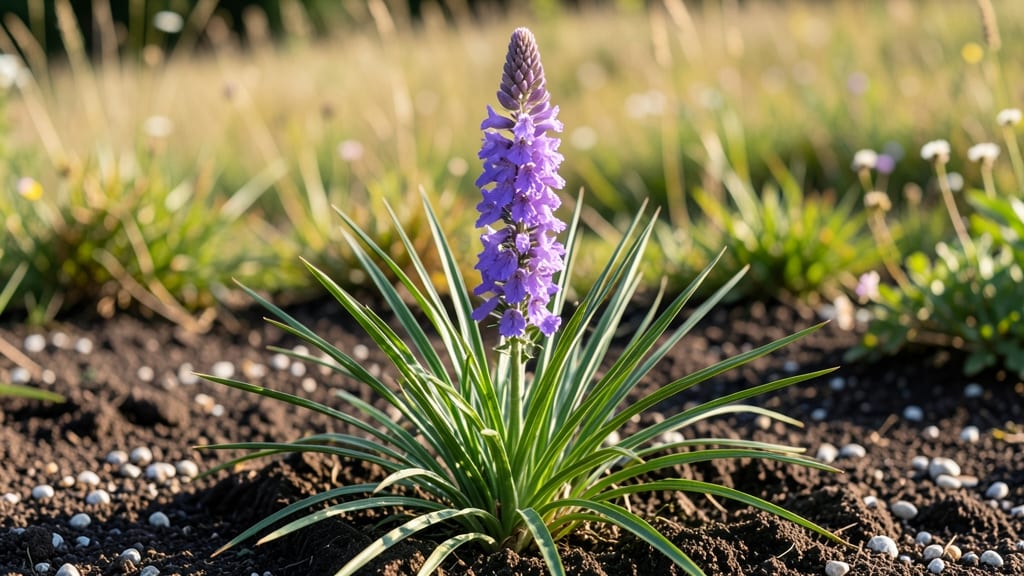
The liatris flowering time is a showstopper in late summer gardens, with its dramatic purple spikes drawing pollinators for weeks.
If you’ve ever dreamed of a summer garden bursting with purple spikes that attract butterflies and hummingbirds, timing your liatris planting just right is key—but when exactly do these showstopping blooms appear?
Most varieties bloom from July through September, but the exact timing depends on your USDA zone and the specific type of liatris you’re growing. For example, Liatris spicata often starts in late July, while Liatris elegans may wait until August.
Below, I’ll break down the month-by-month blooming schedule by variety, plus the simple tweaks—like deadheading and soil prep—that can make your liatris flower even longer and more vibrant.
Liatris flowering time by variety: month-by-month blooming schedule
Timing your garden for liatris blooms means knowing exactly when each variety will burst into those iconic purple spikes. These drought-tolerant perennials thrive in USDA zones 3-9, but their flowering windows vary by type.
Whether you're planning for mid-summer color or fall interest, understanding these schedules helps you create a staggered bloom sequence that keeps your garden vibrant all season.
Liatris varieties typically flower from late July through September, but cooler climates may see blooms as early as June, while warmer zones can extend them into October.
The key is choosing the right variety for your region and planting them at the optimal time—usually spring for most types—to ensure robust growth before their summer-to-fall flowering window.
Pro Tip: For longer blooms, pair varieties like Liatris spicata (early) with Liatris pycnostachya (late) to create a sequential color display. This strategy works especially well in USDA zones 5-7, where seasonal shifts are more pronounced.
If you're in USDA zone 3 or 4, aim to plant Liatris spicata or Liatris pycnostachya in early May to give them enough time to establish roots before their July–August bloom window.
In warmer zones (8–9), you can push planting to late spring (May–June) and still enjoy blooms through September or even October with proper care.
For cooler microclimates within these zones, like high-altitude gardens, expect blooms to shift 1–2 weeks later. For example, Liatris elegans might not peak until mid-July in zone 5 but could bloom as early as late June in **
How to extend liatris blooms: proven tips for longer flowering seasons
Liatris, or blazing star, typically dazzles gardens from mid-summer to early fall, but with the right care, you can stretch those vibrant purple spikes for weeks longer.
Most varieties naturally bloom for 4-6 weeks, but I’ve found that strategic adjustments can push that window to 8-10 weeks—or even longer in ideal conditions. The secret lies in mimicking their native prairie habitat while addressing common pitfalls like overwatering or poor soil nutrition.
First, let’s tackle the biggest misconception: liatris doesn’t need constant moisture. In fact, overwatering shortens bloom time by stressing roots. Instead, focus on deep, infrequent watering—about 1 inch per week—and prioritize morning sessions to prevent fungal issues.
This alone can extend flowering by 2-3 weeks in my experience. Pair this with the right soil conditions, and you’ll unlock a garden that stays in bloom well into October.
- Deadhead Strategically
One of my favorite tricks is selective deadheading. Instead of removing all spent blooms at once, I target only the oldest flower heads every 7-10 days. This staggered approach tricks the plant into thinking it’s still in peak bloom season, prompting new buds to form continuously.
I’ve seen Liatris spicata maintain color for up to 12 weeks using this method—double the typical duration!
Don’t overlook the power of companion planting. Liatris pairs beautifully with drought-tolerant perennials like sedum or lavender, which share similar water needs and attract the same pollinators.
In my USDA Zone 6 garden, this combo has extended the overall bloom season by 3 weeks by creating a self-sustaining ecosystem. Plus, the contrast in textures makes your garden look even more dynamic.
For maximum impact, combine these tips with proper sunlight exposure. Liatris needs full sun (6+ hours daily), but partial shade in hot climates can prevent early wilting.
In Zone 8+, I move potted liatris to morning sun only in peak summer, which has kept blooms vibrant until November. The key is balancing heat and hydration—never let the soil dry out completely, but avoid soggy roots.
With these strategies, your liatris won’t just be a late-summer highlight—it’ll become a season-long star. Start with one or two plants this year, experiment with timing, and watch how small adjustments can transform your garden’s bloom duration.
Before you know it, you’ll have butterflies hovering over purple spikes well into fall—and that’s a sight worth extending! 🌸