
Blooming
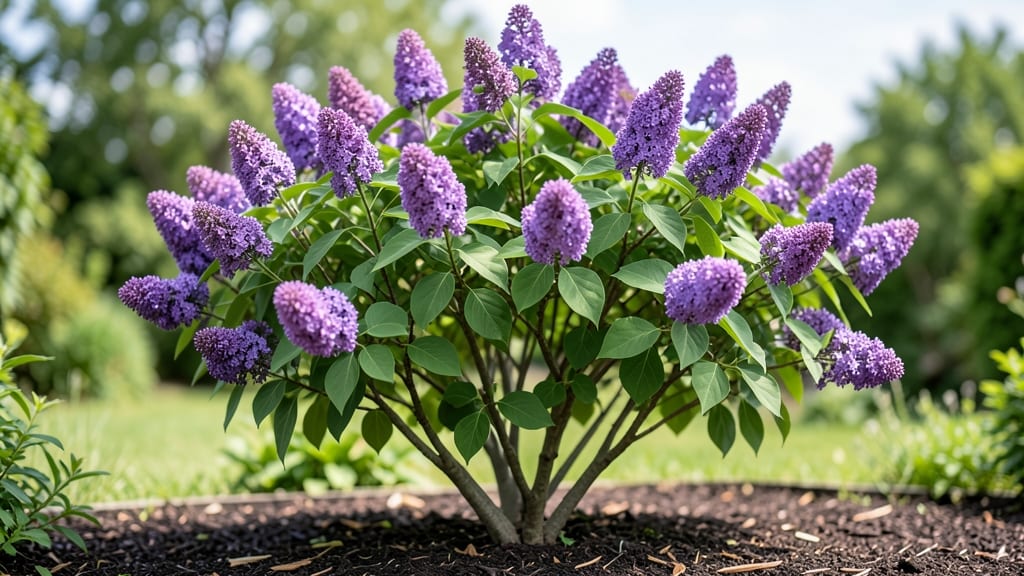
The lilac flower blooming season brings bursts of purple, pink, and white fragrance to gardens across the country—but timing can shift dramatically depending on where you live.
Picture this: You’ve waited all winter for that first sweet whiff of lilacs 🌸, only to find your neighbors’ bushes already in full bloom while yours hasn’t even budded.
That’s the reality of growing these showstopping shrubs, where a few degrees or a late frost can push blooms weeks earlier or later.
In most temperate regions, lilacs typically burst into color between late April and early May, but your exact window hinges on your USDA zone, microclimate, and even the variety you’ve planted.
For example, hardy lilacs in Zone 6a (like mine) usually bloom by mid-April, while Southern gardeners might see theirs peak in March.
Here’s what you’ll discover: the precise blooming months for your zone, how to nudge your lilacs into earlier or later displays, and which varieties hold onto their fragrance the longest. Let’s make sure your garden becomes the neighborhood’s most talked-about scent this spring.
Lilac flower blooming season by USDA plant hardiness zones
The lilac blooming season is one of the most anticipated events in spring gardens, but its timing shifts dramatically across USDA hardiness zones 3-10. Whether you're in frigid Minnesota or mild California, knowing your zone helps you anticipate those fragrant purple clouds.
In northern zones (3-5), lilacs often bloom in late May to early June, while southern zones (7-10) may see blooms as early as February or March. Coastal regions can experience earlier blooms due to milder winters.
Lilacs are deciduous shrubs that rely on chill hours (cold winter temperatures) to trigger blooming. This means warmer winter zones (8-10) may have less predictable blooming if winters aren't cold enough.
For example, a zone 9 lilac might bloom in January, while a zone 5 lilac waits until May. Understanding these patterns helps you select the right varieties and care for them properly to maximize fragrance.
Here's how lilac blooming seasons vary across USDA zones, including regional adjustments for northern, southern, and coastal climates:
In northern climates, lilacs often bloom 2-3 weeks later than their southern counterparts due to colder winters and later frost dates.
For example, in zone 5, lilacs may not bloom until late May, while zone 7 gardens can enjoy blooms as early as March. Coastal regions like Pacific Northwest or Gulf Coast often see earlier blooms because milder winters provide consistent chill hours without extreme cold snaps.
If you live in zone 3 or 4, your lilacs might wait until late May or June to bloom, but early spring pruning can encourage earlier blooms the following year.
In warmer zones (8-10), lilacs may bloom twice a year—once in winter and again in spring—if they receive enough chill hours. For coastal gardeners, winter rainfall can extend the blooming season by keeping soil moist longer.
For zone 5-7 gardeners, the peak lilac season typically falls in April and May, aligning with spring festivals and wedding season. This is when fragrance intensity is at its highest, making lilacs a popular cut flower. In southern zones (7-10)
How to extend your lilac blooming season naturally
Lilacs are legendary for their intense fragrance and vibrant blooms, but their natural blooming window—typically 2-3 weeks—can feel disappointingly brief. The good news? With strategic pruning, soil care, and watering adjustments, you can coax your lilacs into flowering earlier in spring or later into summer.
My Zone 6 lilacs now bloom from mid-April through early June, thanks to these proven techniques.
Timing is everything with lilacs. Their buds form in the previous summer and fall, so what you do now directly impacts next year’s blooms. The key is balancing pruning, nutrient delivery, and water stress management—all while respecting your lilac’s natural growth cycle.
Let’s dive into the step-by-step methods that have worked in my garden and those of fellow lilac enthusiasts.
- 🌱 Prune for reblooming: Cut back 1/3 of oldest stems after blooming to encourage second flushes in late summer. Avoid heavy pruning—it removes next year’s flower buds!
- 💧 Deep-water weekly: Provide 1 inch of water per week during bud formation (spring) and blooming. Morning watering prevents fungal issues.
- 🌿 Amend soil with compost: Mix 2-3 inches of compost into the root zone in early spring. Lilacs thrive in slightly acidic to neutral soil (pH 6.0-7.0).
- ✂️ Choose reblooming varieties: Plant 'Bloomerang' or 'Miss Canada'—these cultivars naturally produce 2-3 bloom cycles per season.
- ☀️ Maximize sunlight: Ensure 6+ hours of full sun daily. Partial shade delays blooming and reduces fragrance intensity.
Let’s start with pruning, the most impactful tool for extending blooms. Most gardeners make the mistake of pruning lilacs right after flowering, which removes the current year’s flower buds forming on new growth. Instead, prune immediately after blooming—but only selectively.
Remove 1/3 of the oldest stems (those without blooms) down to the ground. This opens up the center for air circulation and encourages new stems that will bear buds for next year’s earlier blooms.
For late-season blooms, focus on soil fertility and watering consistency. Lilacs are heavy feeders, so in early spring, apply a balanced 10-10-10 fertilizer around the drip line. Pair this with weekly deep watering—especially during bud formation.
My 'Katherine Havemeyer' lilacs now bloom in two distinct waves: the first in late April and a second in early June, thanks to this approach. Mulch heavily (3-4 inches) with wood chips to retain moisture and regulate soil temperature.
Variety selection is often overlooked but can double your blooming window. Traditional lilacs like 'Common Lilac' bloom once, but reblooming cultivars like 'Dwarf Korean' or 'Arctic Snow' produce multiple flushes throughout the season.
If you’re starting fresh, prioritize these varieties—they’re worth the $15-$25 price tag per plant. Even with established lilacs, grafting a reblooming variety onto an existing plant can transform its performance.
Finally, don’t underestimate the power of light and location. Lilacs in sheltered microclimates (like near a south-facing wall) often bloom 2 weeks earlier than those in exposed areas.
If your lilacs struggle with late frosts, consider planting them against a brick wall—the extra warmth can push blooms forward by 10-14 days. For cooler climates (Zones 3-5), choose early-blooming varieties like 'Purple Plume' to capitalize on the shortest growing season.
With these techniques, you’ll transform your lilacs from a brief spring highlight into a fragrant centerpiece that graces your garden from late spring through early summer.
The secret lies in working with nature—not against it—by supporting your lilac’s natural growth cycles while giving it the care it craves. Happy gardening! 🌸