
Blooming
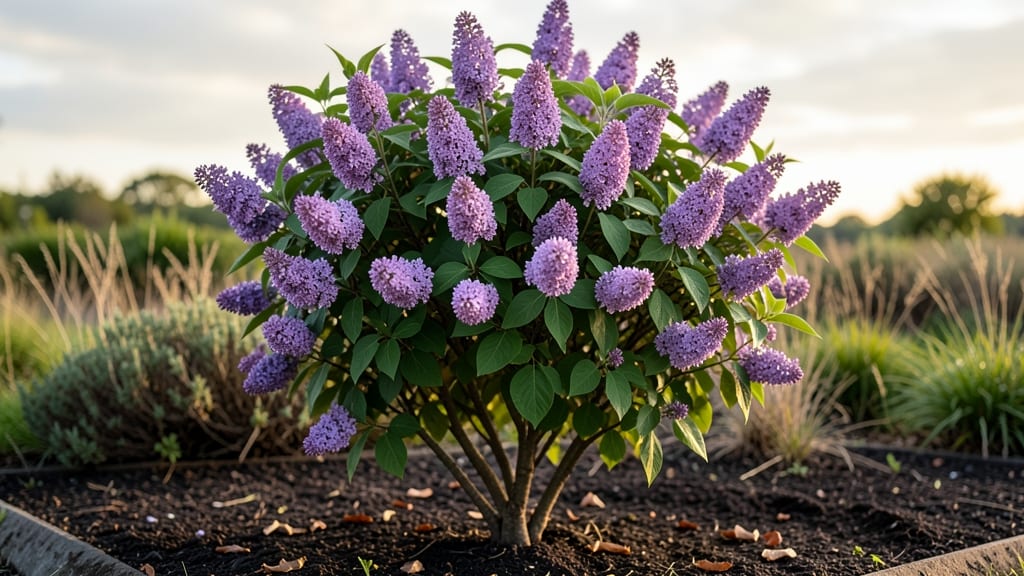
The lilac flowering time is a delicate balance between nature’s rhythm and careful pruning—get it right, and your shrubs will burst into fragrant blooms year after year. Lilacs bloom in late spring to early summer, filling the air with their iconic fragrance and turning gardens into fragrant havens 🌸.
But if you’ve ever wondered why your lilacs produce sparse blooms or bloom late, timing is everything—especially when it comes to pruning. Mastering lilac flowering time and pruning techniques can transform your shrub into a fragrant, vibrant centerpiece year after year.
Most lilacs set their flower buds in late summer or early fall, meaning the pruning you do now directly impacts next year’s blooms. In USDA Zone 6a, where lilacs thrive, the best time to prune is right after flowering, typically in June or early July.
In this guide, I’ll break down the exact pruning schedule for your flowering time, regional adjustments, and how to revive overgrown lilacs for the boldest blooms next season.
Understanding lilac flowering time and how it affects pruning
Lilacs are one of the most beloved spring shrubs, filling gardens with their intoxicating fragrance and vibrant blooms. But their flowering time is directly tied to when—and how—you should prune them.
The key secret? Lilacs form their flower buds in the previous year, meaning any pruning done at the wrong time can mean no blooms the following spring.
Most lilacs bloom between late April and early June, but timing varies by USDA hardiness zone and variety. In colder zones (3-5), lilacs often bloom later, while warmer zones (6-9) see earlier flowering. Understanding your local lilac flowering time ensures you prune after blooms fade, not before.
| Factor | Details | Pruning Impact |
|---|---|---|
| Flower Bud Formation | Late summer to early fall | Prune after blooms fade to preserve next year's buds |
| Typical Bloom Time | Late April - Early June | Wait until after blooms drop |
| USDA Zone 3-5 | May - Early June | Prune in June or July |
| USDA Zone 6-9 | April - May | Prune in May or June |
| Early Bloomers | March - April | Prune immediately after blooms fade |
If you prune your lilac in late winter or early spring, you’ll remove the flower buds that formed the previous summer, leaving you with no blooms that season. This is why many gardeners see sparse lilac blooms—they’re pruning at the wrong time.
The rule of thumb is to prune after flowering, typically between June and August, depending on your region.
Some lilac varieties, like Katherine Havemeyer or Dwarf Korean, bloom earlier than others. Early bloomers may need pruning as soon as late May, while late varieties like Miss Alice Hooper can wait until July.
Always check your specific variety’s blooming habits to avoid cutting off next year’s flowers.
Another critical factor is your local climate. In cooler northern zones, lilacs often bloom later due to delayed warming. In warmer southern zones, they may start blooming as early as March.
Pay attention to your lilac’s first signs of buds in late winter to gauge the right pruning window.
For gardeners in USDA Zone 6a (like many in the Midwest), lilacs typically bloom in late April to early May. This means pruning should occur between June and July.
If you live in Zone 7 or warmer, you might see blooms as early as March, so prune in May to avoid cutting off next year’s flowers.
One common mistake is pruning lilacs to shape them in spring. This can drastically reduce blooms because you’re removing flower buds before they open. Instead, focus on light pruning after flowering to maintain shape and encourage new growth. Remove only dead or crossing branches at this time.
If your lilac hasn’t bloomed well this year, it might be due to over-pruning in the past or poor soil conditions. Lilacs thrive in well-draining soil with full sun exposure.
Amend heavy clay soil with compost to improve drainage, and fertilize in early spring with a balanced 10-10-10 fertilizer to encourage vigorous growth.
To extend your lilac’s blooming season, choose varieties with prolonged flowering times, like Purple Plume or Bloomerang. These varieties produce secondary blooms later in the season, giving you more time to enjoy their fragrance. Pair them with early bloomers for a continuous spring display.
Best pruning schedule for lilacs by flowering time and region
Timing your lilac pruning after blooming is the secret to next year’s abundant flowers. Most lilacs bloom between late April and June, but the exact timing depends on your USDA zone and variety.
Pruning too early removes next year’s flower buds, while waiting too long can leave your shrub unruly. Let’s break down the perfect schedule for your region.
First, identify your lilac’s flowering type. Early bloomers like ‘Dwarf Korean’ may flower as early as May in Zone 5, while late bloomers like ‘Miss Canada’ might wait until June in Zone 7.
Knowing this helps you adjust your pruning window to avoid cutting off potential blooms. Always prune after all flowers fade and before new growth hardens.
⚠️ CRITICAL WARNING: Pruning at the Wrong Time ⚠️
Lilacs form flower buds in late summer on the previous year’s growth. Cutting back too soon means no flowers next spring. Wait until 4-6 weeks after blooming (when leaves begin yellowing) to prune safely. Early bloomers (Zones 3-5) may need pruning by mid-July, while late bloomers (Zones 6-9) can wait until August. Always check for new flower buds forming before pruning.
For USDA Zones 3-5, prune between late June and early July. This gives early bloomers enough time to set buds for next year. Look for leaf color changes—when older leaves turn yellow, it’s time to prune.
Remove dead or crossing branches first, then shape the shrub by cutting back 1/3 of the oldest stems to encourage new growth and airflow.
In Zones 6-8, lilacs often bloom later, so prune between July and early August. Late bloomers like ‘Sensation’ lilacs may need this extra time. Avoid heavy pruning—stick to light shaping and removing sucker growth.
If your lilac blooms after July, wait until September to prune, but avoid cutting after mid-September to prevent stress before winter.
In Zone 9 and warmer climates, lilacs may bloom as late as early July. Prune between August and early September, but stop by mid-September to allow time for bud formation before winter.
Southern gardeners should also monitor for pest activity—prune in the morning to avoid attracting insects to fresh cuts.
After pruning, apply a 2-inch layer of mulch around the base to retain moisture and protect roots. Water deeply to help the shrub recover. With the right timing, your lilacs will reward you with lush, fragrant blooms next spring—just in time for your garden’s peak season! 🌸