
Blooming
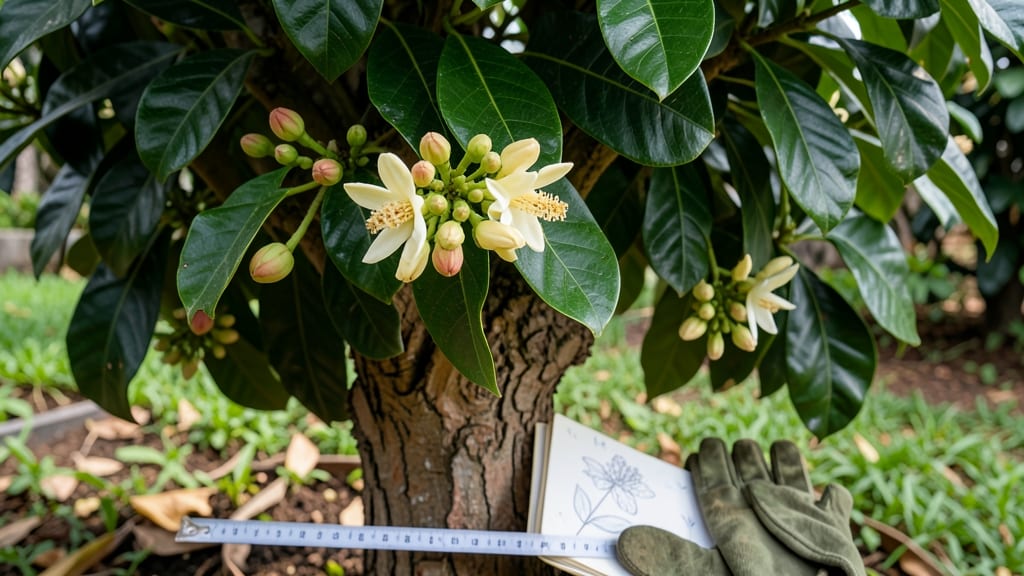
Understanding the mango flowering stages is your first step to a tree bursting with fruit 🥭 — and skipping this step means missing the best time to act.
Picture this: your mango tree suddenly bursts into clusters of tiny buds, only to drop them weeks later. You’re not alone—many gardeners miss the subtle cues that separate a productive bloom from a wasted effort.
The difference often comes down to timing, and knowing what to watch for each week can save you from frustration.
In tropical and subtropical zones like 10a-11, flowering kicks off in late winter, but the real magic happens in how you respond. From bud formation to pollination, each stage demands attention—whether it’s adjusting water, pruning, or even hand-pollinating if nature falls short.
Below, I’ll walk you through the exact signs to spot, the mistakes to avoid, and the simple tricks to boost your tree’s success.
By the end, you’ll know not just when to expect fruit, but how to maximize it—so your mango tree doesn’t just flower, it delivers.
Week-by-week breakdown of mango flowering stages
Watching your mango tree transition through its flowering stages is like following nature's masterpiece. Each phase brings unique visual cues and care needs. Understanding these stages helps you time interventions—like pollination support or nutrient adjustments—to maximize fruit set.
The process typically spans 4-6 weeks, but environmental factors like temperature and humidity can stretch or compress this timeline.
Mango trees thrive in USDA Zones 10-11, where winter temperatures rarely drop below 50°F (10°C). In cooler subtropical zones, flowering may occur later or require protection from cold snaps.
Pay attention to your tree’s behavior—drooping leaves or delayed budding often signal stress from temperature fluctuations or water stress. Let’s break down each stage week-by-week, so you can spot the signs and act accordingly.
How to identify healthy vs. unproductive flowering in mango trees
Spotting the difference between productive and unproductive mango blooms starts with observing flower color and scent intensity. Healthy flowers typically display vibrant pale pink or cream hues with a sweet, honey-like fragrance that attracts pollinators.
These blooms often appear in dense clusters along the tree's branches, signaling strong energy for fruit development.
In contrast, unproductive flowers may look wilted or dull, with faded colors like greenish-yellow. They often lack scent and drop prematurely, indicating stress or poor growing conditions. Pay attention to the tree's overall health—drooping leaves, sparse foliage, or brown edges can all signal underlying issues affecting flowering.
Healthy Mango Flowering Signs
✅ Pros
- Vibrant colors: Pale pink/cream
- Sweet scent: Honey-like fragrance
- Dense clusters: Thick flower groupings
- Strong stems: Flowers stay attached
- Pollinator activity: Bees/flies present
❌ Cons (Unproductive)
- Dull colors: Greenish-yellow
- No scent: Weak or absent fragrance
- Sparse clusters: Fewer flowers per branch
- Wilted appearance: Drooping petals
- Premature drop: Flowers fall easily
Note: Over-thinning healthy flowers can reduce fruit yield. Avoid removing more than 20-30% of blooms to balance tree energy.
Avoid common mistakes like over-pruning during flowering or ignoring pollination needs. Mango trees rely on bees and wind for pollination, so ensure your tree isn't isolated. If you notice poor fruit set despite healthy blooms, consider hand-pollinating with a soft brush to transfer pollen between flowers.
Watch for environmental stress signs like yellowing leaves or leaf curl, which can halt flowering. These often indicate nutrient deficiencies, pests, or improper watering. Adjust care immediately—healthy foliage supports better flowering in subsequent seasons.
For tropical climates, maintain consistent humidity and avoid sudden temperature drops below 60°F. In subtropical zones, protect young trees from late frost with burlap wraps or row covers during flowering. These small adjustments can transform unproductive blooms into fruitful harvests.
Remember, patience is key—young mango trees may take 3-5 years to establish strong flowering. Focus on soil health, balanced fertilization, and proper pruning to build a tree capable of abundant blooms each season. 🌸