
Blooming
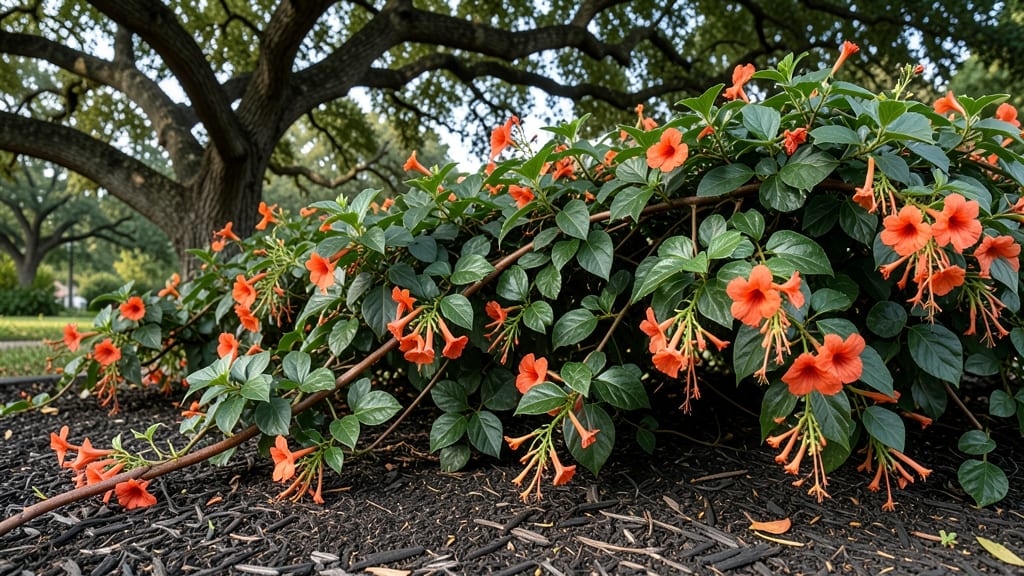
The orange trumpet vine flowering season transforms your garden into a fiery spectacle—but only if you time it right. Picture this: bold, trumpet-shaped blooms lighting up your trellis from late spring through summer, drawing hummingbirds and turning heads.
Without the right care, though, those vibrant blooms might arrive late, fade early, or never show up at all.
If you're dreaming of a fiery burst of color in your garden, the orange trumpet vine delivers one of the most dramatic flowering displays—but timing is everything.
Knowing exactly when to expect its stunning blooms by your USDA zone can mean the difference between a missed spectacle and a showstopping summer highlight.
In zones 6a and up, blooms typically kick off in June and peak by July, but cooler climates like the Pacific Northwest may see flowers as late as August.
Meanwhile, warmer zones like the Gulf Coast often start earlier—sometimes as soon as May—and may even rebloom into September if conditions are right.
Here’s the game-changer: a few simple adjustments—like pruning after the first flush or tweaking your fertilizer—can stretch that flowering season by weeks. I’ll walk you through the exact steps to keep your 🌺 orange trumpet vine in full, vibrant bloom longer than ever.
Orange trumpet vine flowering season by USDA Zone: exact timing guide
The orange trumpet vine (Campsis radicans) bursts into vibrant blooms that can transform any garden into a hummingbird haven—but its flowering timeline varies dramatically by USDA zone. Understanding these regional differences helps you plan for the best possible show.
In warmer climates like Zone 9-11, expect early blooms as soon as March, while cooler Zone 5-6 gardens may wait until June. Even within zones, microclimates (like coastal areas) can shift bloom times by weeks.
Most orange trumpet vines produce a primary bloom cycle that peaks in mid-to-late summer, but some varieties—especially repeat-flowering selections—offer secondary blooms in fall. The key to maximizing your vine’s performance lies in matching your care routine to your zone’s natural rhythm.
For example, Zone 7 gardeners should prepare for a May-June start, while Zone 10 vines may begin as early as February after mild winters.
🌺
| USDA Zone | First Bloom Window | Peak Bloom Period | Secondary Blooms | Notes |
|---|---|---|---|---|
| 5-6 | Late May - Early June | July - August | September (mild zones) | Needs frost protection; prune after last frost |
| 7-8 | May - Early June | June - July | August - September | Longer bloom season; prune post-flowering |
| 9-10 | March - April | May - June | July - August | Year-round blooms possible in Zone 10 |
| 11 | February - March | April - May | September - October | Minimal winter dormancy; continuous growth |
In Zone 5-6, where frosts linger into May, orange trumpet vines often wait until late spring to bloom, aligning with local hummingbird migrations. These northern gardens benefit from early spring pruning to stimulate new growth and encourage earlier flowers.
Meanwhile, Zone 9-11 vines—especially in Southern California or Florida—may produce two full bloom cycles per year, with secondary flowers appearing in fall before cooler weather sets in.
Regional variations further refine bloom timing. For instance, Pacific Northwest gardens in Zone 7-8 often see blooms 2-3 weeks later than their Gulf Coast counterparts due to cooler maritime climates. Even within a single zone, urban heat islands can advance bloom dates by 10-14 days compared to rural areas.
To account for these shifts, I recommend tracking your vine’s first flower date for at least 3 years to identify your local pattern.
For repeat-flowering varieties like 'Flava' or 'Tecumseh', secondary blooms typically appear 6-8 weeks after the primary cycle. These varieties thrive in Zones 7-11 and reward gardeners with extended color through early fall.
To encourage reblooming, I prune spent flowers in late summer and apply a balanced fertilizer (10-10-10) in early spring and mid-summer to support continuous growth.
🌿
If you live in Zone 5 or colder, consider container gardening to protect roots from early frosts. Move potted vines to a sheltered location in winter and resume outdoor placement in early spring once nighttime temperatures stay above 40°F.
In Zone 10-11, where frost is rare, orange trumpet vines may bloom year-round with minimal seasonal variation, though intensity peaks during spring and fall.
Pro tip: Plant near sun-loving companions like black-eyed Susans or butterfly bushes to create a multi-season display. These plants complement the trumpet vine’s bloom cycle while attracting pollinators throughout the growing season.
For example, black-eyed Susans bloom in late summer, just as your trumpet vine’s secondary flowers begin to open.
🔥
How to extend your orange trumpet vine’s flowering season naturally
Your orange trumpet vine can transform your garden into a hummingbird haven, but its flowering season often feels too short. With the right care, you can stretch those vibrant blooms from late spring into early fall.
The secret lies in pruning techniques, soil health, and strategic watering—all while avoiding common pitfalls that cut blooms short.
Start by understanding your vine’s natural rhythm. Most varieties bloom late spring to early summer, but with proper pruning after flowering, you can trigger a second wave of blooms by mid-summer.
The key is timing: prune too early, and you risk losing potential blooms entirely. Too late, and you’ll miss the chance for a fall extension.
⚠️ callout-warning ⚠️
Over-pruning: Cutting back more than 1/3 of the vine in one session removes next year’s flower buds. Always prune selectively after blooms fade.
Wrong fertilizers: High-nitrogen feeds promote leafy growth at the expense of blooms. Use a balanced 10-10-10 fertilizer instead.
Ignoring soil pH: Orange trumpet vines thrive in slightly acidic to neutral soil (pH 6.0–7.0). Test your soil—if it’s too alkaline, blooms will be sparse.
To encourage continuous blooms, begin with soil preparation. Amend your soil with compost or aged manure before planting to ensure it’s rich in organic matter. A well-draining mix prevents root rot, which stresses the vine and reduces flowering.
Every 2–3 years, top-dress with a slow-release fertilizer to maintain nutrient levels without overfeeding.
Watering plays a critical role too. While orange trumpet vines are drought-tolerant, they need deep watering every 2–3 days during peak bloom. Water at the base of the plant in the morning to prevent fungal diseases like powdery mildew, which can weaken the vine and shorten its flowering window.
Mulch around the base with 2–3 inches of organic mulch to retain moisture and regulate soil temperature.
Strategic pruning techniques are your best tool for extending blooms. After the first flush of flowers fades, prune spent blooms and weak stems to redirect energy into new growth. For a second bloom cycle, prune lightly in early summer, removing only 10–20% of the vine’s height.
Avoid heavy pruning—this vine stores next year’s buds on old wood, so preserve mature stems.
Companion planting can also boost your vine’s performance. Pair it with bee-balms (Monarda) or butterfly bushes (Buddleia) to attract pollinators, which increase flower production. Avoid planting near aggressive spreaders like mint, which compete for nutrients.
A sunny, sheltered location with a trellis or fence for support will also encourage healthier growth and longer blooms.