
Flowers
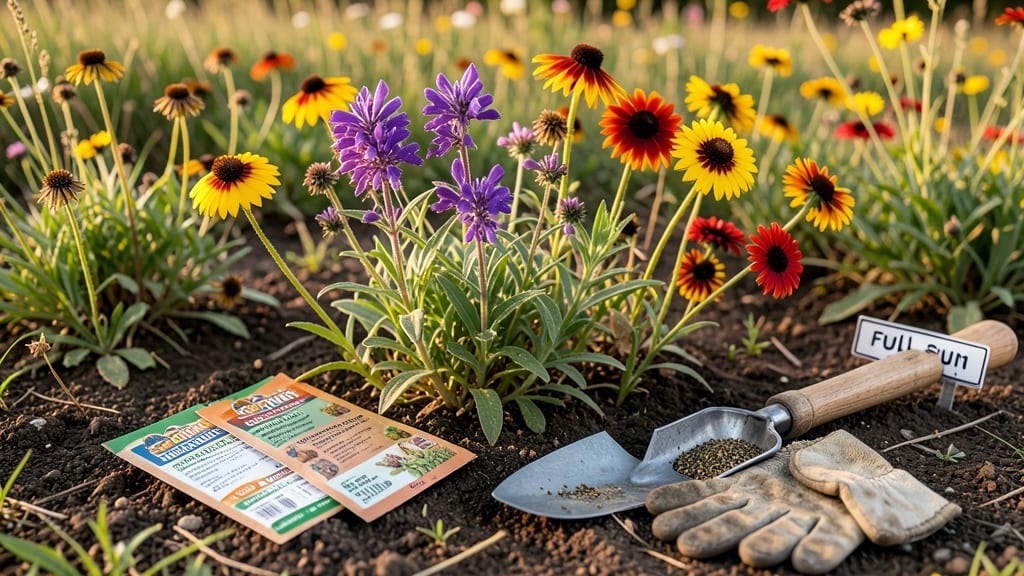
To plant flowers in Colorado at the right time means timing your garden with the last frost—usually late April to mid-May for most zones—but altitude and microclimates can shift that window by weeks.
Colorado’s unpredictable frost dates and high-altitude growing zones can turn flower gardening into a high-stakes guessing game. Plant too early, and your blooms may freeze; too late, and summer heat arrives before they flourish.
Mastering the perfect planting window ensures vibrant flowers from spring to fall, whether you're cultivating hardy perennials or delicate annuals.
In zones 5-7, most flowers thrive when soil warms to at least 50°F, which typically happens after April 15—but Denver’s Front Range and Colorado Springs can vary by 1-2 weeks. Fall planting in late August to early September gives perennials a head start for next year’s blooms.
Below, I’ll break down the best months for your favorite flowers, how to adjust for elevation, and pro tips to extend your blooming season—so you can enjoy peak color from June through October without the frost risk.
Colorado frost dates by zone: when to plant flowers for maximum blooms
Colorado’s diverse USDA hardiness zones 3-7 create unique challenges for gardeners. The Front Range (Denver, Boulder) typically falls in zones 5-6, while the Western Slope (Grand Junction) sits in zone 6-7.
Understanding your last spring frost and first fall frost is critical—plant too early, and a late freeze will kill tender seedlings; too late, and summer’s heat arrives before blooms appear. Let’s break down the ideal planting windows for your zone.
Most Colorado gardeners rely on average frost dates, but microclimates matter. A south-facing slope warms faster than a north-facing yard, and elevation shifts frost dates dramatically.
For example, Denver (5,280 ft) averages its last frost around April 20, while Grand Junction (4,450 ft) sees its last frost by March 25. Use the Colorado State University frost-date calculator to refine your timeline based on your exact location.
Here’s how to use this guide: First, identify your USDA zone (find it via the USDA Plant Hardiness Map). Then, match your zone to the planting windows below.
For annuals, wait until after the last frost; for perennials and bulbs, follow the fall planting guidelines to establish roots before winter. Always check soil temperature—50°F is the minimum for most flowers to thrive.
Below is a zone-by-zone comparison of frost dates and planting windows. Pay special attention to the fall planting column—many perennials benefit from being planted in late summer to develop strong roots before winter.
For bulbs like tulips and daffodils, fall planting is essential, while annuals like marigolds and zinnias should wait until spring’s last frost has passed.
If you’re in zone 5 or 6 (like Denver or Colorado Springs), aim to plant annuals like petunias and geraniums by mid-May. For perennials such as coneflowers or black-eyed Susans, fall planting in late August or
Best flowers to plant in Colorado by season: a month-by-month guide
Colorado’s diverse microclimates mean your Denver garden may thrive with different timing than Grand Junction’s high-desert blooms. Whether you’re on the Front Range or Western Slope, aligning your planting schedule with Colorado’s frost-free windows ensures vibrant blooms all season.
Let’s break down the best flowers to plant each month, tailored to your local conditions.
For high-altitude gardens (e.g., Fort Collins), start 2-3 weeks later than lower elevations like Colorado Springs. Drought-resistant varieties like coneflowers and lavender excel in the Eastern Plains, while heat-tolerant annuals such as zinnia and marigold shine in the Front Range’s shorter summers.
- March: Start hardy perennials (e.g., tulips, daffodils) indoors or plant cold-hardy annuals like snapdragons in protected beds.
- April: Sow cool-season veggie flowers (e.g., nasturtiums) and harden off pansies for early blooms.
- May: Plant heat-loving annuals (e.g., petunias, geraniums) after last frost (typically May 1-15).
- June: Add succession plants like cosmos and sunflowers for summer-long color.
- July: Deadhead spent blooms and mulch to retain moisture for drought-tolerant perennials (e.g., yarrow, blanket flower).
- August: Begin fall planting of cool-season flowers (e.g., calendula, stock) for autumn color.
- September: Plant bulbs (e.g., tulips, crocus) and winter-hardy perennials (e.g., heuchera, sedum) before first frost.
- October: Protect tender perennials with mulch and harvest late-season blooms (e.g., asters, chrysanthemums).
In March, focus on early bloomers like crocus and snowdrops, which tolerate late frosts. For the Front Range, wait until soil warms to 50°F (around mid-April) to plant delicate annuals such as impatiens.
In dry climates like the Western Slope, prioritize xeric flowers like beebalm and Russian sage to conserve water.
By June, your garden should be bursting with summer favorites like black-eyed Susans and larkspur. Use mulch to lock in moisture, especially in high-elevation gardens where afternoon sun can be intense. For container gardens, opt for compact varieties like dwarf sunflowers or bachelor’s buttons to maximize space.
As summer winds down, shift to fall-planted perennials like columbine and foxglove, which establish roots before winter dormancy. In September, add bulbs for spring blooms—tulips and hyacinths thrive in Colorado’s cool soils.
Always water deeply before the first frost to help plants overwinter successfully.
With this seasonal guide, you’ll avoid common Colorado gardening mistakes like planting heat-lovers too early or frost-sensitive blooms too late. Adjust for your local microclimate—whether you’re in Boulder’s alpine zone or Pueblo’s semi-arid plains—and enjoy a year-round flower garden that thrives in the Centennial State. 🌺