
Flowers
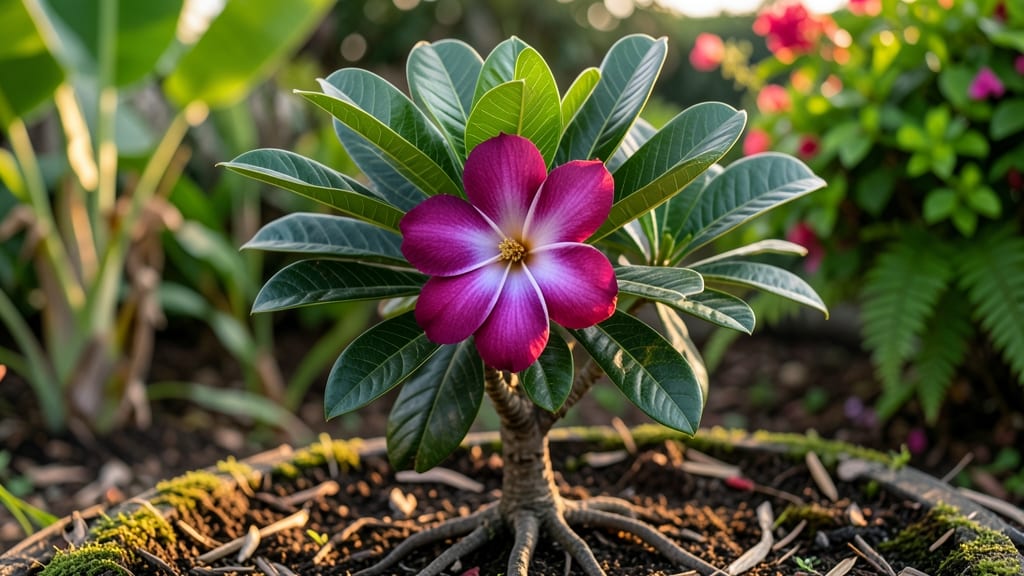
A purple plumeria flower 🌸 can transform your garden into a fragrant tropical escape, but growing these rare beauties takes the right know-how.
Imagine a tropical paradise where your garden bursts with vibrant purple plumeria blooms, filling the air with intoxicating fragrance—this rare beauty is within reach for dedicated gardeners.
These stunning flowers thrive in General (Tropical/Subtropical) climates, but even cooler zones can grow them as houseplants with proper care. The key to vibrant blooms lies in well-draining soil, full sun, and the right fertilization schedule.
In this guide, I’ll walk you through selecting the best purple varieties, mastering propagation from cuttings, and troubleshooting common challenges to keep your plumeria thriving year-round.
Rare purple plumeria varieties and their stunning characteristics
If you're dreaming of a garden that stops traffic with its dramatic purple plumeria flowers, you're not alone. These rare varieties transform any space into a tropical sanctuary, offering deep velvety blooms and intoxicating fragrances that linger long after sunset.
The key to success lies in selecting the right variety—each brings its own unique shade, scent intensity, and growth habits.
Among the most coveted purple plumeria varieties are 'Royal Purple,' 'Black Dragon,' and 'Lavender Queen.' Each offers something extraordinary—whether it's the deep burgundy hues of 'Black Dragon' or the soft lavender blush of 'Lavender Queen.'
Understanding their distinct characteristics will help you choose the perfect fit for your climate and aesthetic goals.
| Variety | Bloom Color | Fragrance Intensity | Mature Height | Growth Habit |
|---|---|---|---|---|
| Royal Purple | Deep violet-purple | Strong, sweet | 10-15 ft | Upright, multi-branched |
| Black Dragon | Dark maroon-black | Moderate, spicy | 8-12 ft | Compact, bushy |
| Lavender Queen | Soft lavender-pink | Light, floral | 6-10 ft | Semi-dwarf, rounded |
| Purple Majesty | Deep magenta | Very strong, creamy | 12-18 ft | Tall, spreading |
| Midnight Fantasy | Near-black purple | Moderate, musky | 10-14 ft | Upright, dense |
The Royal Purple variety stands out with its deep violet-purple blooms that resemble velvet. Its strong sweet fragrance makes it a favorite for gardeners who want both visual impact and sensory delight. This variety thrives in full sun and well-draining soil, reaching heights of 10-15 feet with proper care.
Black Dragon is a showstopper with its dark maroon-black blooms that appear almost mysterious. Unlike lighter varieties, this plumeria has a spicy, musky scent that adds depth to your garden's aroma profile. It's perfect for gardeners who love dramatic contrasts and prefers slightly cooler microclimates compared to other purples.
For those who prefer a softer purple hue, the Lavender Queen is an excellent choice. Its lavender-pink blooms create a dreamy, romantic atmosphere, while its light floral fragrance is perfect for evening gardens. This variety stays more compact, making it ideal for smaller spaces or container gardening.
To ensure your purple plumeria flowers thrive, pay attention to their growing conditions. All varieties require well-draining soil to prevent root rot, as they're native to tropical regions where water drains quickly.
A sandy loam mix with added perlite works wonders for container plants, while in-ground plantings benefit from raised beds in heavy clay soils.
Fragrance intensity varies significantly among these varieties. The Royal Purple and Purple Majesty produce the strongest scents, filling your garden with a sweet, creamy aroma that peaks in late afternoon. For a more subtle experience, Lavender Queen offers a gentle, floral whisper that's perfect for intimate settings.
When selecting your purple plumeria, consider your local climate. While these plants are tropical, some varieties like Black Dragon tolerate slightly cooler temperatures, making them better suited for USDA zones 9-11. In colder regions, grow them as container plants that can be moved indoors during winter months.
One of the most rewarding aspects of growing purple plumeria varieties is their adaptability to pruning. You can shape them into small trees, bushy shrubs, or even bonsai-like specimens with careful training. Prune after flowering to encourage new
Step-by-step guide to propagating purple plumeria from cuttings
Propagating purple plumeria from cuttings is one of the most rewarding ways to grow these stunning tropical plants. Unlike seeds, cuttings preserve the parent plant’s vibrant purple blooms and fragrant qualities. With the right timing and care, you can successfully root cuttings and watch them flourish into full-sized plumeria trees.
Timing is everything when it comes to taking plumeria cuttings. The best time to propagate is during the active growing season, typically late spring or early summer. This ensures your cuttings have the energy they need to develop roots before dormancy sets in.
Avoid taking cuttings after a heavy bloom cycle, as the plant’s energy is focused on producing flowers rather than new growth.
How to Propagate Purple Plumeria from Cuttings
- 1 Select Healthy Cuttings: Choose 4-6 inch cuttings from mature, disease-free stems. Look for new growth that’s slightly woody but still flexible. Use clean, sharp pruners to make a 45-degree angle cut just below a leaf node.
- 2 Let Cuttings Callous: Place cuttings in a shady, dry location for 1-2 days to allow the cut ends to callous over. This prevents rot when you place them in rooting medium. A warm, dry spot like a windowsill works perfectly.
- 3 Prepare Rooting Medium: Use a well-draining mix like perlite, coarse sand, or a 50/50 blend of cactus soil and perlite. Avoid dense soils that retain too much moisture. Fill small pots or trays with the medium, leaving room at the top.
- 4 Plant the Cuttings: Dip the calloused end of each cutting in rooting hormone (optional but helpful) and insert it 1-2 inches deep into the rooting medium. Space cuttings 2-3 inches apart to allow airflow and prevent overcrowding.
- 5 Create Humidity: Cover the cuttings with a plastic bag or clear dome to maintain high humidity. Place in a bright, indirect light location, avoiding direct sunlight, which can overheat the cuttings. Mist lightly every few days to keep the medium moist but not soggy.
- 6 Monitor and Transplant: Check cuttings weekly for signs of root growth, which typically takes 4-8 weeks. Gently tug on the cutting—if you feel resistance, roots are forming. Once rooted, gradually acclimate to lower humidity by removing the cover for a few hours daily before transplanting.
After your purple plumeria cuttings have rooted and been transplanted, focus on providing optimal growing conditions. Place them in a location with full sun exposure (6+ hours daily) and well-draining soil to prevent root rot.
Water deeply but infrequently, allowing the top inch of soil to dry out between waterings. Fertilize lightly with a balanced, slow-release fertilizer every 4-6 weeks during the growing season to encourage healthy growth and vibrant blooms.
With patience and care, your propagated purple plumeria will reward you with lush foliage and stunning blooms in just a few months. The key to success lies in selecting healthy cuttings, maintaining the right humidity, and providing consistent care post-transplant.
Soon, you’ll have a thriving plumeria that adds a touch of tropical elegance to your garden or indoor space.