
Flowers
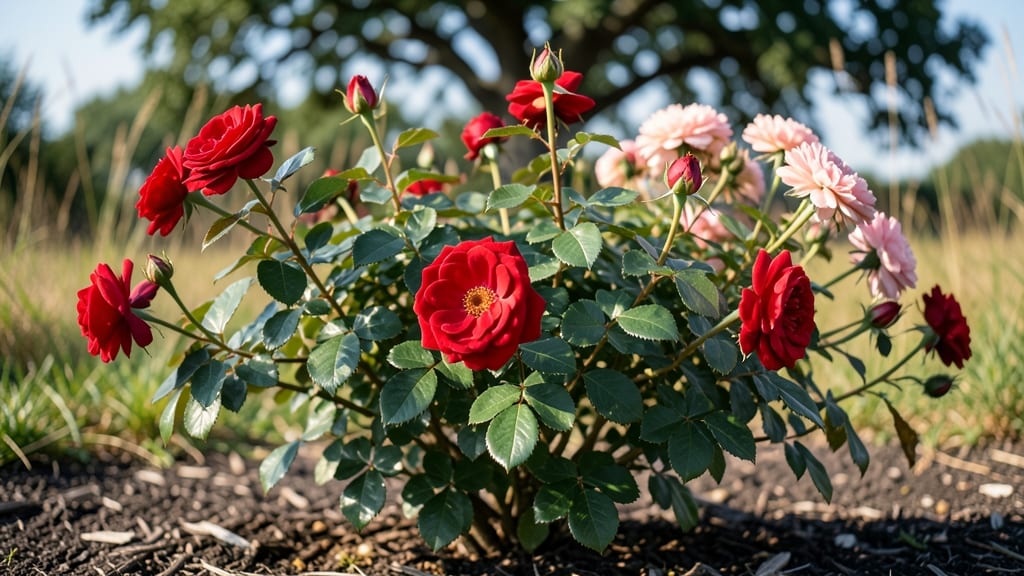
Controlling your rose's 🌹 flower height is the difference between a wild, sprawling shrub and a perfectly shaped garden star—all thanks to a few simple pruning secrets.
Struggling to keep your roses from towering over your fence or staying too compact for dramatic effect? The right cuts at the right time can transform your blooms from unruly to showstopping, whether you want a 3-foot hedge or a 10-foot trellis masterpiece.
Height isn’t just about aesthetics—it’s about health. Overgrown roses invite pests, while stunted ones struggle to bloom.
Below, I’ll walk you through the 3-step pruning system that works for every variety, from dwarf tea roses to climbing giants, plus how to pick the perfect spot in your garden for their mature size.
Ready to shape your roses like a pro? Let’s start with the tools you’ll need and the first cut you should never skip.

How to control rose flower height through pruning techniques
Want to shape your roses into neat, compact bushes or towering vertical displays? Pruning is the game-changer. Whether you're dealing with wild, leggy growth or overly dense foliage, precise cuts redirect energy where you want it.
The key lies in understanding when to prune, how much to remove, and where to make your cuts for maximum control.
Roses naturally grow in two distinct patterns: bushy shrubs (18-36 inches) and climbing varieties (5-20 feet). Your pruning strategy should match your goal—whether it's a manicured hedge or a dramatic trellis backdrop.
I’ve pruned roses for over 15 years, and I’ve learned that timing and technique are everything. Skip the guesswork with these proven methods.
⚠️ Pro Tip: Always use sharp, sterilized pruners to avoid disease. Wipe blades with rubbing alcohol between cuts, and never prune when plants are wet—this invites fungal infections like black spot.
- Compact roses: Cut just above a 5-leaf cluster (about ¼ inch above) to promote bushiness.
- Tall climbers: Prune to 3-5 buds per stem to encourage upward growth. Remove weak, crossing branches first.
- Bypass pruners for clean cuts on thin stems (under ½ inch).
- Loppers for thicker branches (½ to 1½ inches).
- Saw for massive climber limbs (over 1½ inches).
For compact roses, focus on outward-facing buds when pruning—this encourages the plant to fill out. If your roses are too leggy, cut back harder in spring and feed them to stimulate new growth.
I once turned a 6-foot-tall hybrid tea into a 3-foot bush in one season using this method!
If you’re aiming for towering height, prioritize vertical stems and remove lateral branches that compete for energy. Climbing roses like 'New Dawn' can reach 12 feet with minimal pruning—just trim dead wood and shape occasionally. The secret? Less is more for climbers.
Watch for new growth direction after pruning. Roses will regrow toward the light, so position them where you want their energy to go. For example, place compact roses near walkways and climbers along fences to maximize their natural shape.
Patience is key—it can take 1-2 seasons to see dramatic changes in height.
🌹 Remember: Over-pruning can stunt blooms, while under-pruning leads to weak, sprawling growth. Aim for a balance—cut just enough to shape without shocking the plant. With practice, you’ll develop an eye for the perfect cut!
Best rose varieties for specific height goals (with growth charts)
Choosing the right rose variety is the first step to achieving your dream garden height. Whether you envision miniature roses for container gardens or towering climbers framing your patio, each type has a natural growth pattern that determines its mature size.
Understanding these patterns helps you select roses that fit your space—without needing drastic pruning later.
From 1-foot-tall miniatures to 20-foot climbers, roses span an incredible height range. Hybrid teas and floribundas often stay between 3-5 feet, making them perfect for borders, while old garden roses and ramblers can reach 10-20 feet when given proper support.
Let’s explore the best varieties for every height goal, complete with growth expectations.
For compact gardens, miniature roses like Fairy or Playboy stay under 18 inches tall, making them perfect for window boxes or patio pots. Their small size doesn’t mean small impact—these varieties produce proportionally large blooms for their stature.
If you’re designing a hedge or border, shrub roses like Knock Out® or floribundas like Double Delight will fill the space beautifully at 3-5 feet.
When you need vertical drama, climbers like New Dawn or Blaze are game-changers. These varieties can reach 10-15 feet when trained on trellises or arbors, adding season-long interest to fences or pergolas.
Old garden roses like The Fairy offer a romantic, historic look while maintaining a manageable 5-8 feet height. For the ultimate statement