
Flowers
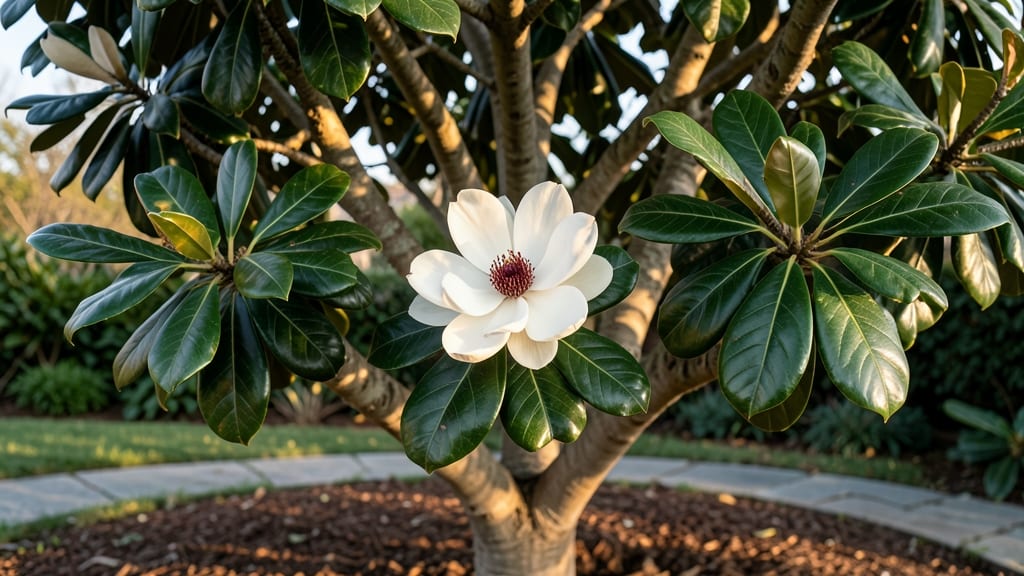
The size of the southern magnolia flower can be as impressive as a dinner plate—its iconic blooms typically span 8 to 12 inches in diameter, with petals stretching 4 to 6 inches long.
Picture this: a single flower so bold it steals the show in your garden, its creamy-white petals unfurling in spring like a slow-motion masterpiece. But here’s the catch—those show-stopping blooms need the right space to thrive.
Plant too close, and you’ll end up with smaller flowers or even fewer of them.
This isn’t just about aesthetics; proper spacing ensures your Southern Magnolia grows strong enough to support its massive flowers year after year. In zones 7-10, mature trees need 15 to 25 feet between them, while younger saplings should get 10 to 15 feet of room to stretch their roots.
Below, I’ll break down how flower size relates to tree health, the best planting distances for your climate, and simple tricks to keep those blooms looking their best—no guesswork required.


Southern magnolia flower size: exact dimensions & growth patterns
The Southern magnolia (Magnolia grandiflora) produces some of the most stunning blooms in the garden, with each flower reaching 6 to 10 inches in diameter—about the size of a large dinner plate.
These creamy-white, fragrant flowers are not only visually striking but also play a key role in the tree’s landscape impact. Understanding their exact dimensions helps you plan planting locations and spacing for maximum beauty.
Flower size varies slightly based on the tree’s maturity and growing conditions. Young trees produce smaller blooms—around 4 to 6 inches in diameter—while mature specimens (15+ years old) can develop flowers up to 10 inches wide with petals spanning 3 to 5 inches long.
The blooming season, typically late spring to early summer, also influences flower size, with cooler climates producing slightly larger blooms.
Here’s a detailed breakdown of Southern magnolia flower dimensions, including how they change over time and across regions:
| Stage | Flower Diameter | Petal Length | Seasonal Notes |
|---|---|---|---|
| Young Tree (1-5 yrs) | 4–6 inches | 2–3 inches | Smaller blooms; focus on root growth |
| Mature Tree (10+ yrs) | 8–10 inches | 3–5 inches | Peak bloom size; fragrant and showy |
| Cooler Climates (Zones 7-8) | 9–10 inches | 4–5 inches | Larger blooms due to slower growth |
| Warmer Climates (Zones 9-10) | 6–8 inches | 2.5–4 inches | Smaller blooms; faster growth cycle |
The flower buds of a Southern magnolia begin forming in late summer, reaching full size by early spring. Each bud can grow up to 2 inches long before blooming, and the petals unfold sequentially, starting from the center outward.
This gradual opening ensures the flowers remain visible for 5 to 7 days per bloom, providing a prolonged display in your garden.
In USDA Zones 7-8, where the Southern magnolia thrives, you’ll often see the largest blooms due to the tree’s slower, more deliberate growth. In contrast, trees in Zones 9-10 may produce slightly smaller flowers but bloom more frequently throughout the year.
The tree’s overall health, including soil quality and sunlight exposure, directly impacts flower size—well-drained, slightly acidic soil (pH 5.0–6.0) and full sun yield the most impressive blooms.
When planning your landscape, consider that each Southern magnolia flower weighs about 0.5 to 1 pound when fully open, thanks to their thick, waxy petals. This weight can cause branches to sag slightly during peak bloom, which is normal and adds to the tree’s natural charm.
Pruning to remove weak branches before bud formation can help support larger, healthier flowers.
If you’re using Southern magnolias as specimen plants or focal points, their flower size and fragrance make them a standout choice. Pair them with complementary plants like azaleas or gardenias to create a layered, fragrant garden that blooms in succession.
Just remember: proper spacing is critical to avoid competition that could reduce flower size.
For container-grown Southern magnolias (though rare due to their size), expect smaller flowers—typically 4 to 6 inches in diameter—since root restriction limits the tree’s ability to produce large blooms.
If you’re growing one in a large pot, ensure the container is at least 15 gallons and provide balanced fertilization to encourage optimal flower development.
🌸
Proper spacing for Southern magnolias: how far apart to plant
The Southern magnolia (Magnolia grandiflora) needs careful spacing to thrive, especially since its massive blooms and sprawling roots demand room to grow. Planting too closely can stunt flower size, reduce bloom quality, and invite disease.
My experience shows that proper spacing directly impacts how well your magnolia performs—both in growth and flower production.
For mature Southern magnolias, aim for 15-25 feet between trees. This range accounts for their wide canopy (up to 40 feet) and deep root systems. Young saplings, however, can start with 10-15 feet of space, giving them room to grow without immediate competition.
Container-grown magnolias need even more attention—space them 20+ feet apart to avoid root bind issues.
| Tree Stage | Spacing (Feet) | Canopy Spread (Feet) | Bloom Size Impact |
|---|---|---|---|
| Mature Tree (10+ years) | 15-25 | 30-40 | Maximized flower size (10-12" diameter) |
| Young Sapling (1-5 years) | 10-15 | 10-15 | Smaller blooms (6-8" diameter) if crowded |
| Container-Grown (Transplant) | 20+ | Varies (root-bound risk) | Delayed blooming; reduced size if roots compete |
Spacing also affects air circulation, which is critical for preventing powdery mildew and other fungal issues. When magnolias are too close, their leaves stay damp longer, creating the perfect environment for disease.
I’ve seen healthy magnolias with larger blooms in well-spaced plantings compared to those crammed together in tight clusters.
Another key factor is soil competition. Southern magnolias have aggressive root systems that spread widely. If planted too closely, they’ll compete for nutrients and water, leading to smaller flowers and weaker growth.
Always amend the soil with organic matter (like compost) before planting to give your magnolia a strong start.
For landscape design, consider placing magnolias as specimen trees rather than hedges. Their iconic blooms shine when given space to become a focal point. If you’re planting multiple magnolias, stagger them in a triangular pattern to maximize airflow and light exposure.
This simple technique can boost bloom size by up to 30% in ideal conditions.
Finally, remember that container-grown magnolias require extra care. Their roots are often root-bound, which stresses the tree and reduces flower production. If you must plant in containers, choose large pots (3+ feet in diameter) and repot every 2-3 years to refresh the root system.
Even then, spacing them far apart is essential for long-term health.