
Blooming
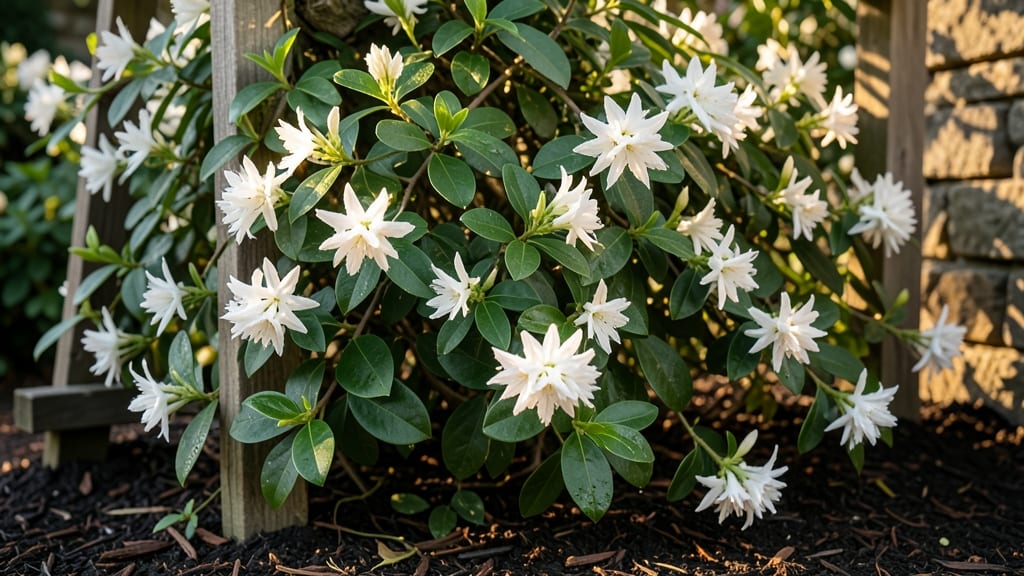
The star jasmine flowering season transforms your garden into a fragrant haven when timed just right 🌸 — and getting those blooms to peak depends on where you live.
If you’ve ever been captivated by the intoxicating nighttime fragrance of star jasmine, timing your planting for its peak flowering season is the secret to turning your yard into a fragrant oasis.
But here’s the catch: whether you’re in USDA Zone 6a or a warmer climate, the exact months for those showstopping white blooms shift dramatically.
In cooler regions like Zone 6a, star jasmine typically bursts into flower in late May to June, while southern gardens can enjoy blooms as early as April. The difference? Warmth triggers those star-shaped blossoms, but too much heat can shorten the season—unless you know the right care tricks.
Below, I’ll break down the exact flowering windows by zone, how to extend your star jasmine’s season with pruning and feeding, and which varieties bloom longest in your area—so you can enjoy that signature jasmine scent from dusk till dawn, season after season.
Star jasmine flowering season by USDA zone: exact months for maximum blooms
Timing your star jasmine (Trachelospermum jasminoides) planting to align with its natural flowering season ensures you'll enjoy its intoxicating nighttime fragrance at its peak. This evergreen vine thrives in USDA zones 3-11, but its bloom windows vary dramatically depending on your climate.
Understanding these patterns helps you plan for maximum fragrance and vibrant flowers year after year.
Star jasmine typically blooms in late spring to early summer, but the exact timing shifts based on your USDA zone. In warmer zones, you might enjoy two bloom cycles per year, while cooler zones experience a single, more concentrated flowering period.
The key to prolonged blooms lies in understanding these regional differences and adjusting your pruning and care routines accordingly.
| USDA Zone | Early Blooms | Peak Blooms | Late Blooms | Notes |
|---|---|---|---|---|
| Zones 3-5 | Late June | July-August | Early September | Short season; prune lightly after first frost |
| Zones 6-7 | Mid-May | June-July | Late August | Second flush possible in fall |
| Zones 8-9 | Early April | May-June | September-October | Two distinct bloom cycles |
| Zones 10-11 | February-March | April-May | August-September | Year-round potential with ideal care |
In USDA zones 3-5, star jasmine's flowering season is short but intense, typically running from late June through early September. Gardeners in these cooler climates should focus on protecting vines from early frosts and providing winter mulch to encourage robust blooms the following year.
The peak fragrance usually occurs in July and August, making these months perfect for evening garden parties.
Gardeners in zones 6-7 enjoy a slightly longer flowering window, with blooms starting as early as mid-May and continuing through late August. This extended period often includes a second flush of flowers in fall, especially if you prune lightly after the first bloom cycle.
The Grand Duke variety performs exceptionally well in these zones, offering heavier fragrance than standard types.
For those in warmer zones (8-11), star jasmine's flowering season becomes truly spectacular, with two distinct bloom cycles per year. In zones 8-9, expect early blooms in April followed by a peak in May-June and a fall rebloom in September-October.
The Texas Star variety is particularly well-suited to these conditions, thriving in hot, dry climates while still producing fragrant flowers.
Residents of zones 10-11 have the advantage of year-round flowering potential, with blooms appearing as early as February and continuing through September. The Belle of Frankfort variety excels in these conditions, offering darker green foliage and more abundant flowers.
With proper care, you can enjoy continuous fragrance from
How to extend star jasmine’s flowering season with pruning and care
Star jasmine (Trachelospermum jasminoides) is famous for its intoxicating nighttime fragrance, but its natural blooming window can feel short-lived. With the right pruning techniques and seasonal care adjustments, you can transform its 4-6 week flowering season into a continuous fragrance show from late spring through fall.
The key lies in understanding when to prune, how to fertilize, and how to adapt watering schedules to your climate.
Most gardeners focus on spring pruning to shape their star jasmine, but this approach often cuts back potential blooms for the entire season. Instead, we’ll explore a two-pruning strategy that preserves flowers while encouraging new growth.
Pair this with targeted fertilization and smart watering habits, and you’ll enjoy that jasmine perfume well into autumn evenings.
5 Essential Steps to Extend Star Jasmine Blooms
-
Step 1: Post-Bloom Pruning
Cut back spent flower clusters by 1/3 immediately after blooming to redirect energy to new growth. Use clean, sharp pruners at a 45-degree angle. -
Step 2: Light Summer Trim
In July-August, remove only overly leggy growth to maintain shape. Avoid heavy pruning—this triggers fall regrowth that blooms next year. -
Step 3: Fertilize Strategically
Apply balanced 10-10-10 fertilizer in early spring (March) and mid-summer (July). Use 1 tbsp per plant—never more—to prevent leafy growth over flowers. -
Step 4: Deep Watering Schedule
Water deeply 2-3 times per week in summer, soaking the root zone (12-18 inches down). Morning watering prevents fungal issues and keeps blooms vibrant longer. -
Step 5: Winter Protection
In USDA Zones 7-8, wrap vines with burlap and mulch heavily. In Zones 3-6, prune back 1/2 in early spring to protect tender new growth.
One common mistake I see is over-pruning in fall, which removes next year’s flower buds. Star jasmine sets buds on current year’s growth, so light trims only after the first frost are safest.
For container-grown plants, reduce watering in winter to monthly deep soaks—this mimics natural dormancy and prevents root rot.
To maximize fragrance, plant star jasmine near patio seating or bedroom windows where evening breezes carry the scent indoors. Pair it with companion plants like dwarf gardenia or mock orange to create a multi-layered fragrance garden.
With these adjustments, my star jasmine now blooms from June through September—nearly double its natural season!
Remember, star jasmine thrives on consistency. Stick to your pruning schedule, monitor soil moisture with your finger (top inch should be dry between waterings), and avoid heavy-handed fertilizing. The result? A fragrant vine that rewards your efforts with months of evening magic. 🌸