
Flowers
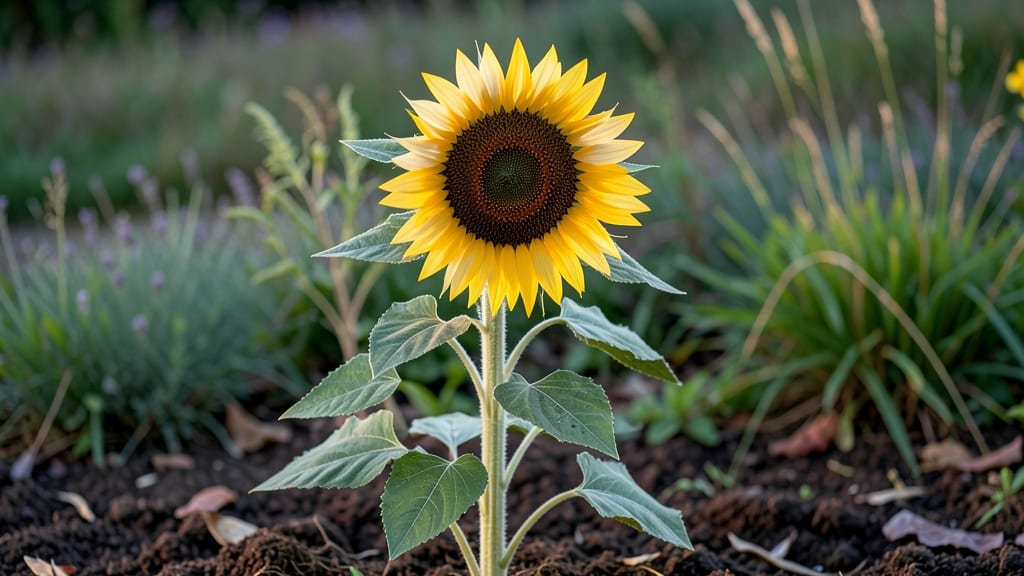
Sunfinity sunflowers grow to heights between 4 and 6 feet—tall enough to catch your eye but compact enough to fit in almost any garden space.
If you're dreaming of towering sunflowers that turn heads but have limited space—or just want to maximize your garden's impact—understanding their height is your first step. These varieties range from compact dwarfs to sky-scraping giants, each with unique spacing needs to thrive.
Knowing whether you're planting a 4-foot dwarf or a 6-foot giant makes all the difference in spacing, sunlight access, and even pollination success. Too close, and they’ll compete for nutrients; too far apart, and you’ll waste valuable garden real estate.
In this guide, I’ll break down the height differences between Sunfinity varieties, share the ideal spacing for each, and give you pro tips to help them reach their full potential—without toppling over.

Sunfinity sunflower height comparison: dwarf vs. giant varieties & their mature heights
Choosing the right Sunfinity sunflower variety depends entirely on your garden space and design goals. From 2-foot dwarfs perfect for containers to 12-foot giants that dominate borders, these sunflowers offer dramatic variety.
The key difference? Genetic dwarfing genes in shorter varieties like 'Little Becka' versus unrestricted growth in mammoth types like 'Mammoth Russian'. Let's break down the mature heights, growth habits, and ideal climates for each category.
For small-space gardens, dwarf varieties under 3 feet thrive in containers, window boxes, or tight borders. Their compact stems (often under 1 inch thick) make them ideal for urban balconies or cut-flower arrangements where height isn't a priority.
Meanwhile, giant varieties (6+ feet) need strong stems (2+ inches thick) to support their heavy blooms—without proper staking or spacing, they'll flop over in wind or rain.
Here's where USDA Zone 6a becomes critical: Dwarf varieties handle cooler climates better due to their shorter growing season (60–75 days to bloom), while giant varieties require longer summers (90+ days) to reach their full 10–12 foot potential.
In shorter seasons, opt for semi-dwarf types (3–5 feet) like 'Autumn Beauty' for a balance of height and hardiness.
🌱
Notice how stem thickness scales with height? Giant varieties need thicker stems to support their weighty blooms, which can reach 12+ inches in diameter. This is why 'Mammoth Russian' requires staking or cages from day one—its 3-inch stems can't handle wind without support.
In contrast, dwarf varieties like 'Little Becka' have self-supporting stems thanks to their shorter stature and compact growth habit.
Bloom time also varies dramatically: Dwarf types flower in 60–70 days, making them ideal for early summer displays, while giants take 90–100 days, pushing blooms into late summer or early fall. If you're in Zone 6a, this means dwarf varieties will bloom 4–6 weeks earlier than giants, giving you a longer flowering season if you mix types. For example, plant 'Little
Optimal planting spacing for Sunfinity sunflowers by height: avoid crowding & boost yields
Getting the spacing right for your Sunfinity sunflowers isn’t just about aesthetics—it’s a science that directly impacts their growth potential and yield quality. Too close, and you’ll smother their roots and invite disease; too far apart, and you waste precious garden real estate.
The key? Matching spacing to height ensures each plant gets the sunlight, airflow, and nutrients it craves to reach its full glory.
Sunfinity sunflowers come in three distinct height categories—dwarf, medium, and giant—each with unique spacing needs. Dwarf varieties like 'Little Becka' (2–3 ft tall) thrive in tight quarters, while giants like 'Russian Giant' (10+ ft) demand wide berths to avoid toppling over.
Proper spacing also reduces competition for water and soil nutrients, helping your sunflowers grow taller and stronger.
| Height Category | Mature Height | Optimal Spacing | Sunlight Needs | Key Benefit |
|---|---|---|---|---|
| Dwarf | 2–3 ft | 12–18 inches apart | Full sun (6+ hours) | Maximizes border gardens; ideal for containers |
| Medium | 4–6 ft | 24–36 inches apart | Full sun (6–8 hours) | Balances yield and space efficiency |
| Giant | 8–12+ ft | 36–48+ inches apart | Full sun (8+ hours) | Prevents lodging; supports taller stems |
For dwarf varieties, spacing them 12–18 inches apart creates a lush, low-maintenance border that blooms all season. This tight spacing also encourages bushier growth, perfect for cutting gardens or pollinator-friendly landscapes.
Medium-height sunflowers (4–6 ft) need 24–36 inches to develop sturdy stems and avoid leaning into neighbors, which can lead to broken stems or disease spread.
When planting giant sunflowers, give them 36–48 inches or more to prevent overcrowding, which can cause stems to weaken and snap under their own weight. This extra space also improves air circulation, reducing the risk of powdery mildew and other fungal diseases.
Think of it as giving your sunflowers room to stretch their legs—literally! Proper spacing ensures they grow tall enough to block unwanted weeds while still accessing the sunlight they crave.
To calculate your ideal spacing for a custom layout, multiply the number of plants by their spacing requirement and add a 10% buffer for growth.
For example, 10 giant sunflowers at 48 inches apart need a 40-foot row (10 × 4 = 40 ft) plus an extra 4 feet for flexibility. Use stakes or trellises for taller varieties to further stabilize them without sacrificing space.
Remember, sunlight access is non-negotiable. Sunflowers are heliotropic, meaning they follow the sun’s path to maximize energy absorption. Crowding blocks this natural behavior, stunting growth and reducing flower size.
By spacing your sunflowers correctly, you’re not just avoiding problems—you’re setting them up for bigger blooms, healthier stems, and a garden that turns heads all summer long. 🌻