
Picking
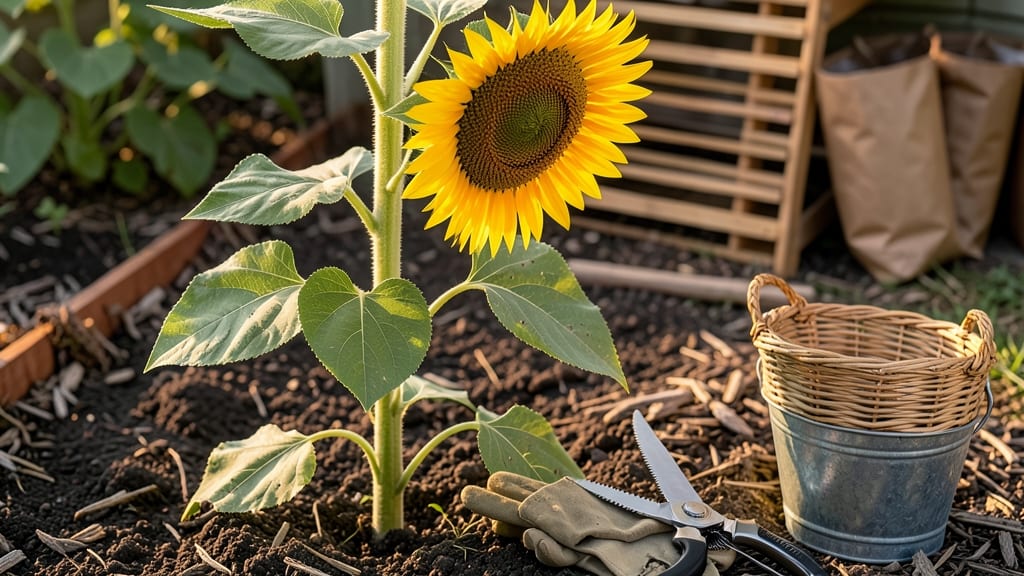
Harvesting sunflowers at the right time ensures you get the brightest blooms and the most nutritious seeds—but knowing when that is can be tricky.
Picture this: you’ve spent months watching your 🌻 sunflowers grow, only to wonder if you’re harvesting too early or too late. The wrong timing means missing out on vibrant petals or seeds that won’t store well.
I’ll show you exactly when to harvest in Zone 6a and beyond, so you never waste another season.
Sunflowers typically reach harvest time between July and September, but the exact moment depends on whether you’re after fresh flowers or mature seeds. You’ll learn to spot the key signs—like dried petals and heavy seed heads—that tell you it’s time to pick.
From regional adjustments to storage tips, this guide covers everything you need to maximize your harvest. Let’s get started!

When to harvest sunflowers by USDA planting Zone: month-by-month guide
Sunflowers thrive across USDA Zones 3-11, but their harvest timing varies dramatically based on your climate. Early varieties like 'Moulin Rouge' mature in 50-60 days, while giant types such as 'Russian Giant' take 100-120 days.
Knowing your zone ensures you harvest at peak maturity—when seeds are nutrient-dense and blooms are at their most vibrant.
Harvesting too early means underdeveloped seeds with poor storage life, while waiting too long risks bird damage or seed loss. The key is watching for visual maturity cues like drooping petals and dry seed heads, combined with zone-specific timing.
Let’s break down the exact months for each region to maximize your yield.
🌱
| Zone | Early Varieties (50-60 days) | Mid-Season (70-80 days) | Late Varieties (90-120 days) | Key Cues |
|---|---|---|---|---|
| 3-4 | Late July - Early August | Mid-August - Early September | Late August - Mid-October | Petals brown, seeds rattle |
| 5-6 | Early August - Mid-August | Late August - Early September | Mid-September - Early October | Heavy seed heads, back turns brown |
| 7-8 | Mid-July - Early August | Late July - Mid-August | Early September - Late September | Leaves yellow, seeds firm |
| 9-10 | Late June - Early July | Mid-July - Late July | Early August - Mid-September | Petals droop, seeds darken |
| 11 | May - Early June | June - Early July | July - August | Heavy heads, seeds blackish |
🌾 Harvest before first frost in Zones 3-6 to prevent seed spoilage.
In Zones 3-4, where summers are short, prioritize early-maturing varieties like 'Teddy Bear' or 'Autumn Beauty'. These finish by early September, giving seeds time to dry before frost.
I’ve harvested Moulin Rouge in Zone 4 by mid-August—just as the petals start browning and the seed heads feel heavy and papery.
For Zones 5-6, the window stretches from late July through October, depending on variety. Mid-season types like 'ProCut' (great for bouquets) mature in 70-80 days, so aim for early September harvests.
Watch for seed color changes: they start green, turn yellow, then deepen to brown or black when fully ripe.
In warmer Zones 7-10, you can extend harvests into late fall. For example, in Zone 9, I’ve successfully harvested 'Russian Giant' sunflowers as late as October by choosing late-season varieties and protecting them from early frosts with row covers.
The key is monitoring seed maturity over leaf color—some varieties stay green longer in heat.
If you’re in Zone 11, sunflowers can bloom year-round, but peak harvests occur from May through August. Here, heat stress can accelerate maturity, so check seed heads bi-weekly. I’ve found that shorter varieties like 'Little Becka' handle the heat better and provide consistent harvests every 6-8 weeks.
🌻
Pro tip: Harvest on dry mornings to prevent mold. Cut stems at a 45-degree angle and hang heads upside-down in a well-ventilated, dark space for 2-3 weeks to fully dry seeds.
Store dried heads in paper bags to prevent moisture buildup. This method preserves seeds for up to a year—ideal for next season’s garden or bird feeders.
For cut flowers, harvest when 70-80% of petals are open but before they fully brown. This ensures longer vase life while still allowing seeds to mature on the plant. I’ve extended bouquet life by recutting stems daily and changing water every 2 days—a small effort for stunning displays.
💧
How to tell when sunflowers are ready for harvest: 5 key signs
Harvesting sunflowers at the right time ensures you get the most flavorful seeds and longest-lasting blooms. Miss the window, and you might end up with shrunken seeds or wilted flowers.
The good news? Sunflowers give clear visual cues when they're ready. I’ve learned to watch for these 5 key signs to time my harvest perfectly—no guesswork required.
First, focus on the flower head. When the back of the petals turns brown and dry, it’s a strong indicator your sunflower is nearing harvest. This change signals the plant is redirecting energy to seed development.
Pair this with the seed color progression—ripe seeds transition from green to a creamy yellow or brown hue. These visual cues work together to tell you when to act.
Back petals turn brown and flower head sags slightly—this means seeds are maturing.
Seeds shift from green to creamy yellow or brown—this is the prime window for harvest.
The head feels dense and heavy—seeds are fully developed and ready for storage.
Shake the head—if seeds rattle loudly, they’re mature and ready to harvest.
Lower leaves turn yellow and die back—this signals the plant is redirecting energy to seed production.
To confirm maturity, perform a simple seed crush test. Squeeze a seed between your fingers—if it resists crushing and feels firm, it’s ready. Soft or mushy seeds mean you harvested too early.
I always test 2-3 seeds from different parts of the head to ensure consistency. This step is crucial for storing seeds long-term or using them for planting next season.
Timing matters for storage too. Harvest sunflowers in the morning after dew dries to preserve moisture and prevent mold. Cut the stem 1-2 inches below the head, then hang the flowers upside down in a dry, well-ventilated area.
Proper drying (2-3 weeks) ensures seeds stay viable for months. I’ve stored sunflower seeds this way for up to a year with no loss in germination.
Don’t ignore the weather forecast either. If rain is in the forecast, harvest sooner rather than later. Damp conditions can lead to moldy seeds or rot. I once waited too long in a humid summer, and my seeds sprouted prematurely in the head—always better to harvest early than risk spoilage.
Keep an eye on the sky and act quickly when these signs appear.
By mastering these 5 key signs, you’ll never miss harvest time again. Whether you’re saving seeds for next year’s garden or enjoying fresh blooms, timing is everything. Now that you know what to look for, your sunflowers will thank you with a bountiful, stress-free harvest! 🌻