
Planting
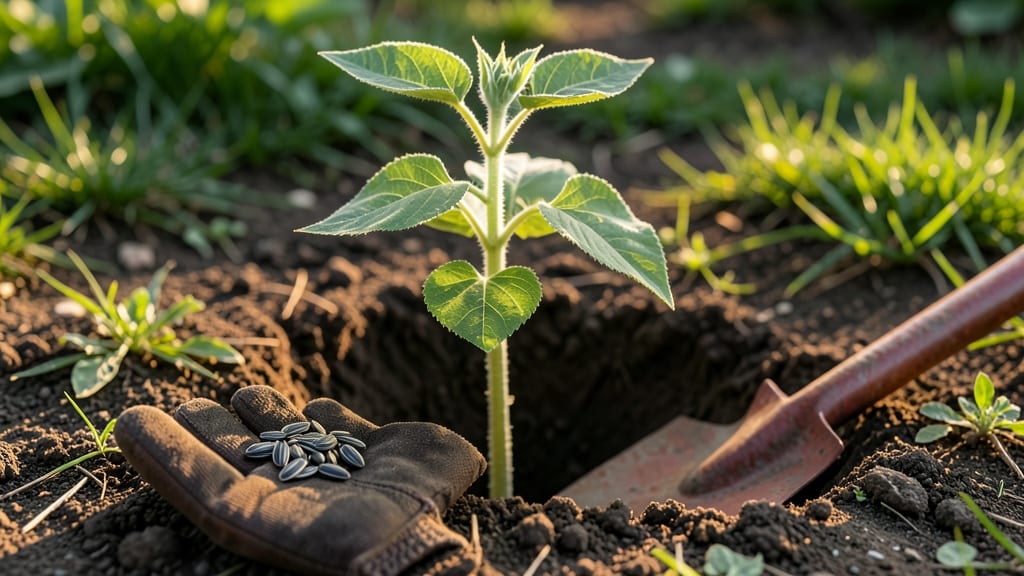
Timing your sunflower planting right ensures those towering 🌻 blooms you dream of—miss the window, and you’ll end up with stunted stems or no flowers at all.
Want to grow sunflowers that reach sky-high glory? The secret lies in planting them after your last frost, when soil temperatures hit 55°F—that’s the magic number for germination. In most of the U.S., that means April or early May, but zones 3-9 have wildly different sweet spots.
Too early, and a late frost will kill seedlings; too late, and your sunflowers may bolt before blooming. I’ve seen both mistakes firsthand—one year, I planted in March and lost everything to frost, while another year, my June planting produced only sad, short stems.
The right timing turns 3-foot plants into giants that top 10 feet.
Below, I break down the exact planting windows by zone, how to adjust for early or late seasons, and the one soil trick that doubles your success rate. Let’s get those sunflowers growing strong!
Best sunflower planting months by USDA hardiness Zone
Sunflowers thrive when planted at the right time, but the perfect window depends entirely on your USDA hardiness zone. Planting too early risks frost damage, while waiting too long can stunt growth or prevent blooming.
I’ve broken down the ideal planting months by zone, including frost-free dates and soil temperature tips to ensure your sunflowers reach their full sky-high potential.
Northern zones (3-5) have shorter growing seasons, so timing is critical. Southern zones (7-9) can plant later, but extreme heat can also stress young seedlings. The key is aligning your planting with soil temperatures above 55°F and frost-free dates.
Below, I’ve organized the best planting windows by zone, plus regional adjustments for northern vs. southern climates.
For northern climates (Zones 3-6), focus on planting after your last frost date. If you’re unsure, use a frost calculator—most regions experience their last frost between April 15 and May 15.
In colder zones, consider starting seeds indoors 2-3 weeks before transplanting to extend your growing season. I’ve found that 'Moulin Rouge' and 'Teddy Bear' varieties tolerate cooler soils better than standard types.
In southern zones (7-10), the challenge shifts to avoiding summer heat. Plant in early spring (January-February) or fall (September-October) to give seedlings time to establish before extreme temperatures arrive.
If you plant in summer, provide afternoon shade and water deeply to prevent bolting. Varieties like 'ProCut Hybrid' thrive in heat but still need consistent moisture.
Soil temperature is just as important as air temperature. Sunflowers won’t germinate well in cold soil. Use a soil thermometer to confirm temperatures are above 55°F before planting. In cooler zones, lay down black plastic mulch a week before planting to warm the soil faster.
This trick has helped me shave off critical days in my Zone 5 garden.
Regional adjustments matter too. For example, Pacific Northwest gardeners (Zone 7-8) should plant in March to avoid summer rain and fungal issues. Meanwhile, Southwest gardeners (Zone 9-10) can plant in January but must monitor for pests like sunflower moths, which thrive in warm climates.
Always check local agricultural extension service guidelines for hyper-local advice.
One common mistake is assuming "spring" means the same thing everywhere. In Zone 3, spring planting might mean waiting until May 10, while in Zone 9, you could plant as early as January 15. The key is balancing frost risk with heat tolerance.
For example, I planted sunflowers in late March in my Zone 6 garden last year, but a late frost nipped the seedlings—so this year, I’m waiting until May 1.
Pro tip: If you’re in a transition zone (e.g., Zone 6b-7a), err on the side of planting later. Sunflowers
How to adjust sunflower planting time for late or early seasons
When your local frost dates push planting windows too early or late, don't give up on those towering sunflower blooms. With the right adjustments, you can still enjoy vibrant flowers and tall stems even in challenging seasons.
The key lies in understanding your climate's quirks and using proven strategies to extend your growing season naturally.
For gardeners in northern zones with late springs or southern zones facing early frosts, timing becomes an art of balance. Cold-hardy varieties, protective covers, and strategic transplanting can all shift your planting window by 2-4 weeks without sacrificing plant health. Let's explore how to make these adjustments with confidence.
- 🌡️ Choose cold-hardy varieties like 'Autumn Beauty' or 'Moulin Rouge' that tolerate 40°F soil temps and light frosts after germination.
- 🛡️ Use floating row covers to extend early spring planting by 2-3 weeks while allowing sunlight and water through.
- 🌱 Start indoor seedlings 4-6 weeks before last frost, then transplant hardened-off plants when soil reaches 55°F.
- 🌡️ For late summers, opt for fast-maturing varieties (50-60 days) like 'Teddy Bear' that bloom before first frost.
- 🌱 Try succession planting every 2 weeks in warm zones to ensure continuous blooms throughout the season.
- 🌡️ Monitor soil temperature with a thermometer - sunflowers won't germinate below 50°F.
One of my favorite tricks for late-season planting is using black plastic mulch. This warms the soil 5-10°F faster than bare ground, creating microclimates perfect for sunflowers. Simply lay down the mulch 1-2 weeks before planting to jumpstart germination in cooler conditions.
If frost threatens your young seedlings, don't panic. A simple cloche or cold frame can protect plants down to 28°F for short periods. For more extensive protection, consider low tunnels with row covers that create a 10°F warmer environment while still allowing sunlight penetration.
For gardeners in Zone 5 or colder, I recommend planting dwarf varieties like 'Pocket Sun' (2-3 feet tall) that mature faster and handle cooler soils better. These varieties often produce full blooms in just 50 days, giving you a head start before summer heat arrives.
Remember that sunflowers are remarkably resilient once established. With these adjustments, you can push your planting windows beyond traditional dates while still enjoying healthy plants and stunning blooms. The secret is staying flexible and adapting your approach to your local climate's unique challenges. 🌻