
Blooming
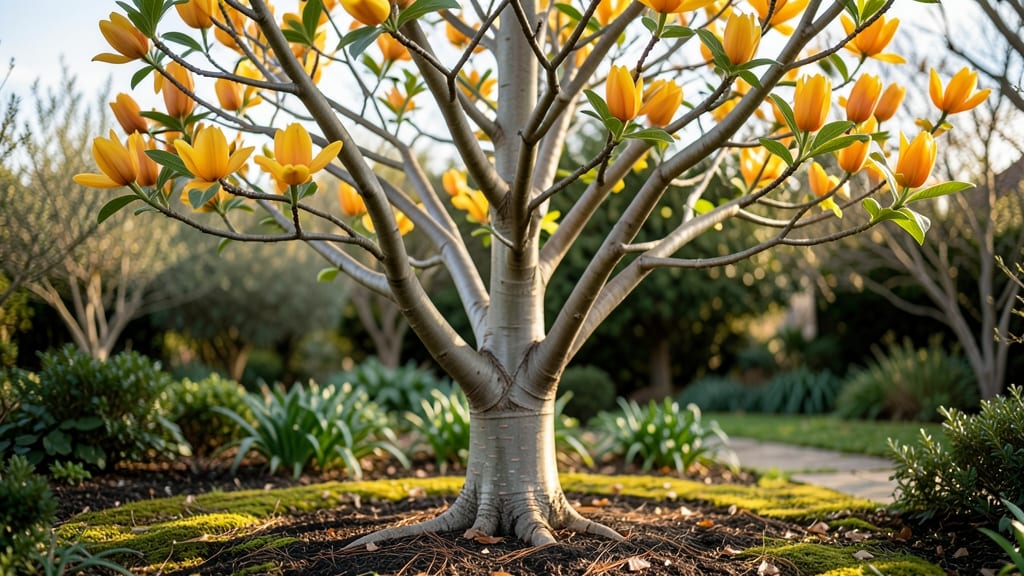
The tulip tree flowering time depends on your USDA zone, but those iconic tulip-shaped blooms typically arrive in late spring 🌳 — around May in Zone 6a and a few weeks earlier in warmer regions.
If you’ve ever wondered why your tulip tree isn’t blooming—or when to expect those iconic pendulous flowers—you’re not alone. The timing can shift based on climate, tree age, and even last winter’s frost patterns.
In Zone 6a, where the tulip tree thrives, blooms usually peak in May, but in southern zones, you might spot them as early as April. Understanding these patterns helps you anticipate—and even encourage—those stunning yellow-green flowers.
Below, I’ll break down the exact months by zone, how to predict blooms, and what to do if your tree seems late to the party.
Tulip tree flowering timeline by USDA hardiness Zone
The tulip tree (Liriodendron tulipifera) dazzles with its yellow-orange tulip-shaped flowers that hang like lanterns from towering branches. But when exactly should you expect these iconic blooms? The answer depends entirely on your USDA hardiness zone, regional climate, and even elevation.
In colder zones like 4–5, flowers may appear as early as late April, while in warmer zones like 8–9, they often burst open by mid-March. Understanding this timeline helps you plan for pruning, pest control, and simply enjoying the show.
Tulip trees are late bloomers compared to many spring flowers, typically emerging after leaf emergence but before summer heat sets in. This timing ensures pollinators are active, but it also means late frosts can threaten buds in northern zones.
Altitude plays a surprising role too—trees at 5,000+ feet may bloom 2–3 weeks later than those at sea level, even within the same zone. Let’s break down the exact monthly flowering windows by zone, so you know when to watch for those pendulous yellow-orange flowers.
In Zone 4, where winters are harsh, tulip trees often wait until late May or early June to bloom, ensuring buds survive late spring frosts. Meanwhile, in Zone 9, you might spot flowers as early as late February, especially in coastal microclimates with milder winters.
The transition zones (5–7) offer the most variability—some trees in Zone 6 may bloom in late March, while others wait until May due to soil temperature or local weather patterns.
If you live at higher elevations, expect delays. For example, a tulip tree in Denver (Zone 5, 5,280 ft) may bloom 3 weeks later than one in St. Louis (Zone 6, 430 ft). Conversely, lowland areas like southern Florida (Zone 10) can trigger early blooms in January.
Pay attention to leaf emergence—buds typically form after new leaves unfurl, so if leaves appear in April, flowers may follow within 2–4 weeks.
Climate also shifts timing. A warm winter can advance blooms by 3–4 weeks, while a cool spring may delay them. In Zone 7, for instance, a late frost in April might damage buds, pushing flowers to May. To protect your tree,
How to predict your tulip tree’s flowering time with 90% accuracy
Predicting when your tulip tree (Liriodendron tulipifera) will bloom with precision requires observing specific growth cues. Unlike annuals, these trees follow a multi-year flowering cycle influenced by your USDA zone and seasonal conditions.
By tracking leaf emergence and bud development, you can forecast blooms within a 2-week window—giving you time to adjust for late frosts or heatwaves.
The key to accuracy lies in understanding the three-phase flowering process of tulip trees: bud formation (late summer), bud swelling (early spring), and full bloom (late spring). Each phase is triggered by temperature shifts, making your local climate the ultimate predictor.
For example, trees in Zone 6a typically bloom in mid-April, while those in Zone 8 may wait until early May.
Step-by-Step Bloom Forecasting Guide
- Step 1: Track Leaf Emergence
Monitor when new leaves appear in early spring. Tulip trees in Zones 5–7 typically leaf out by mid-March, while Zone 8+ trees may wait until late March. This is your first clue that buds are forming.
- Step 2: Observe Bud Swelling
Once leaves are fully unfurled, check for swollen buds along the branches. In Zones 6–7, this happens by late March to early April. Buds will resemble small, green tulip-shaped bulges—this is the critical 3-week window before blooming.
- Step 3: Adjust for Climate Shifts
If your area experiences late frosts (common in Zones 4–6), protect buds with frost cloth or burlap wraps. Conversely, heatwaves above 85°F can delay blooms in Zones 7–9—water deeply to mitigate stress.
- Step 4: Confirm Bloom Timing
Once buds turn yellow-green and begin opening, blooms will appear within 7–10 days. In Zone 6a, this usually lands in late April, while Zone 9 trees may bloom as late as early June.
Pro tip: Use a gardening journal to record leaf emergence and bud swelling dates for 3 consecutive years. This creates a personalized timeline that accounts for your microclimate. For example, my Zone 6b tulip tree blooms 5 days earlier than the average due to its south-facing exposure.
Don’t overlook the role of tree age—young tulip trees (5–10 years old) may produce fewer flowers, while mature trees (20+ years) bloom more reliably. If your tree is non-flowering, focus on soil health and pruning practices before adjusting your bloom forecast.
For a quick sanity check, compare your observations to your USDA zone’s historical bloom data (available via local agricultural extensions). Even a 5°F temperature shift can delay blooms by 1–2 weeks, so flexibility is key.
With these steps, you’ll master the art of predicting tulip tree blooms like a pro!