
Flowers
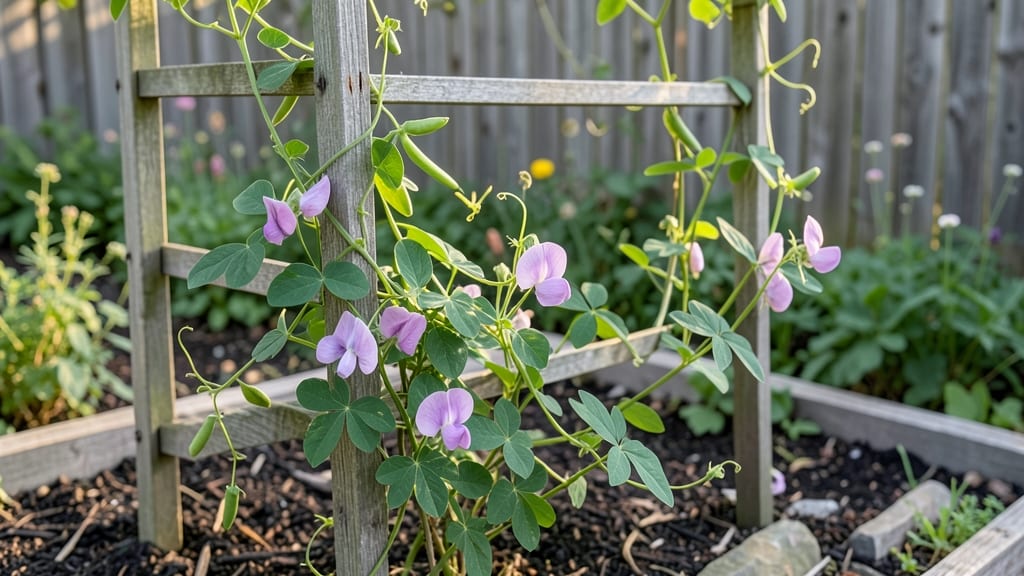
Sweet peas flower in what month do sweet peas flower between April and June in most temperate climates, but the exact timing depends on your planting window and hardiness zone.
Imagine stepping outside in late spring to find your garden transformed by fragrant, climbing 🌸 blooms—only to wonder why your neighbor’s sweet peas are already in full color while yours are still sprouting. The difference often comes down to when you planted them and where you live.
In USDA Zone 6a, where many gardeners grow sweet peas, blooms typically kick off in May if seeded in early spring. Warmer zones like 7-10 see flowers as early as March, while colder regions (3-5) may wait until June.
Even within the same zone, early vs. late varieties can shift bloom time by weeks.
Here’s how to time your plantings for longer blooms, including the best varieties for staggered flowering and simple tricks to coax extra weeks of color from your trellis.
Sweet pea blooming months by USDA hardiness zone
Sweet peas are cool-season flowers that thrive in spring and early summer, but their exact bloom time depends heavily on your USDA hardiness zone. In colder zones, they often flower earlier to take advantage of cooler temperatures, while warmer zones may see extended blooming into late summer.
Understanding these patterns helps you plan for continuous color in your garden.
Most varieties bloom 60-90 days after sowing, but early varieties like 'Early Sweet' can flower in as few as 50 days, while late varieties like 'Black Knight' may take up to 100 days.
The key is matching your planting time to your zone's frost dates and temperature trends.
| USDA Zone | Early Blooms | Peak Blooms | Late Blooms | Best Varieties |
|---|---|---|---|---|
| 3-4 | Late May | June-July | Early August | 'Cupani', 'Blue Moon' |
| 5-6 | Mid-May | June-August | September | 'Perfume', 'Spencer' |
| 7-8 | April-May | May-September | October | 'Matucana', 'Blue Danube' |
| 9-10 | March-April | April-October | November | 'Dwarf Purple', 'Crimson Rambler' |
In USDA Zones 3-4, sweet peas typically bloom from late May through early August, as cooler spring temperatures delay their initial flowering. These zones benefit from early sowing in spring (as soon as soil is workable) to capitalize on the short growing season.
Varieties like 'Cupani' and 'Blue Moon' are well-suited for these climates.
Gardeners in Zones 5-6 enjoy the longest bloom periods, often from mid-May through September. This extended season allows for successive plantings every 2-3 weeks to maintain continuous blooms. 'Spencer' and 'Perfume' varieties thrive here, producing fragrant flowers that attract pollinators.
Warmer Zones 7-8 see sweet peas flowering as early as April, with peak blooms stretching into October. The mild winters in these zones enable fall sowings for winter blooms, though they may require protection from late frosts. 'Matucana' and 'Blue Danube' are excellent choices for these regions.
In the mildest Zones 9-10, sweet peas can bloom year-round with proper care, though they prefer cooler temperatures. Early blooms appear in March-April, with late blooms extending into November. Dwarf varieties like 'Dwarf Purple' work well in containers, while 'Crimson Rambler' climbs trellises beautifully.
To maximize blooms, always plant sweet peas in well-draining soil with full sun exposure. In hotter zones, provide afternoon shade to prevent wilting. Regular deadheading (removing spent blooms) encourages prolonged flowering by redirecting energy to new buds.
For late-season blooms, try sowing a second crop in early summer (Zones 5-10). Choose heat-tolerant varieties like 'Painted Lady' or 'Alaska', which handle warmer temperatures better than traditional types. With the right timing and variety selection, you can enjoy sweet peas from spring through fall.
How to extend sweet pea season: planting tips for year-round blooms
Sweet peas typically bloom from late spring to early summer, but with the right strategies, you can stretch that season to nearly year-round in many climates. The key lies in staggered plantings, selecting late-blooming varieties, and using protective structures like cold frames.
I’ve found that even in USDA Zone 6a, where I garden, these methods can add 4-6 extra weeks of vibrant blooms.
Most sweet peas flower between June and August in temperate zones, but their exact timing depends on when you plant and which variety you choose. For example, 'Cupani' series varieties often bloom later than classic 'Spencer' types.
By planning ahead, you can create a continuous display from early spring through fall.
- Early Planting: Start seeds 8-10 weeks before last frost (typically March-April in Zones 5-7) for May-June blooms.
- Succession Planting: Sow new seeds every 2-3 weeks until mid-summer to create overlapping bloom cycles.
- Late Varieties: Choose 'Blackbird' or 'Purple Haze' for July-August flowering in cooler climates.
- Cold Frame Use: Extend fall blooms by 2-3 weeks using cold frames in Zones 4-6.
- Winter Protection: In Zones 7-10, use row covers to protect plants through light frosts.
For year-round blooms, I recommend combining these techniques with container gardening. Smaller varieties like 'Tom Thumb' thrive in pots and can be moved to sunniest spots or brought indoors during extreme weather. This flexibility lets you adjust planting times based on your local microclimate.
Don’t overlook the power of soil temperature—sweet peas need 50-60°F soil to germinate. In cooler zones, use heat mats or plant near south-facing walls to warm the soil faster. I’ve seen germination rates improve by 30% when using these methods in Zone 5.
Finally, deadheading spent blooms encourages continuous flowering. Pair this with regular watering (about 1 inch per week) and you’ll maintain lush growth. In my garden, this simple habit adds 3-4 weeks to the blooming season compared to neglected plants.
With these strategies, you can transform sweet peas from a spring highlight into a year-round garden star. The secret is planning—just like layering perennials for seasonal interest, but with the added bonus of fragrant, climbing beauty that keeps coming back. 🌸