
Flowers
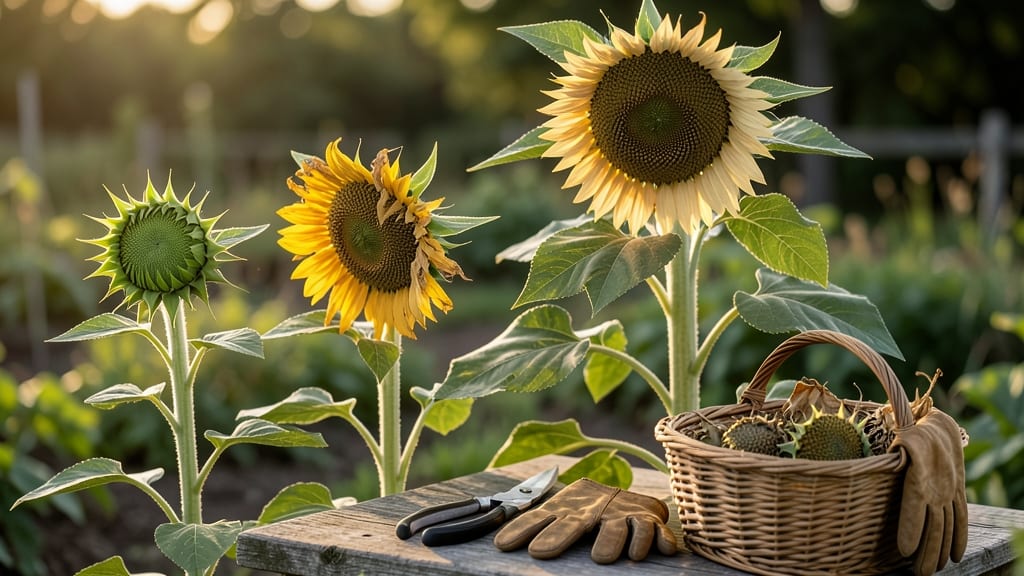
Sunflowers are ready to harvest when their seed heads turn yellow-brown and petals droop 🌻 — but timing them perfectly means the difference between crisp seeds and a wasted effort.
Picture this: You’ve spent months watching your towering 🌻 sunflowers grow, only to wonder if you’re picking them too early or too late. The truth? There’s a 5-step visual checklist that takes the guesswork out of harvest day, from seed color to head weight.
Harvesting at the right moment isn’t just about seeds—it affects everything from vase life for cut blooms to the flavor of your homegrown snacks. Below, I’ll walk you through the key signs to watch for, plus pro tips to avoid common mistakes that ruin your harvest.
Ready to turn your sunflower patch into a bounty? Let’s break down the exact cues that mean your flowers are finally ready—no more second-guessing.

5 Visual signs your sunflowers are harvest-ready (with photos)
Sunflowers transform from vibrant blooms into harvest gold when you spot these key visual cues. Unlike many plants, sunflowers give clear signals—no guesswork needed. I’ve learned the hard way that picking too early means bland seeds, while waiting too long risks bird theft or mold.
The perfect harvest window hinges on these five unmissable signs that tell you "now’s the time!"
First, pay attention to the flower head’s color shift. When the back of the seed head turns from green to yellow-brown, that’s your first green light.
This change happens gradually, so check weekly after the petals start wilting. I always compare it to a ripe avocado—same creamy, maturing hue that signals peak ripeness.
Next, observe the petal behavior. Ready-to-harvest sunflowers don’t just close—they droop dramatically and may even start browning at the edges. This isn’t wilting from thirst; it’s nature’s way of saying "pick me before I seed!"
Last summer, I ignored this sign on my Mammoth Russian variety and woke up to half my plants stripped by squirrels.
The seed head’s weight is another dead giveaway. Lift the head gently—if it feels heavy and solid (like a small pumpkin), it’s packed with mature seeds. Lightweight heads? Still developing. Pro tip: Tap the head—seeds rattling inside means they’re ready for harvest or drying.
Now for the most reliable test: the seed color. Split open a seed or two from the center. If they’re plump, white, and firm (not green or shriveled), you’ve hit the sweet spot.
I test 2-3 seeds per head to account for uneven ripening—some varieties like Autumn Beauty mature faster than others.
Finally, watch for weather conditions. Harvest on a dry, sunny morning to prevent mold. Humidity turns seed heads mushy, and rain can rot them before they ripen.
My Sunflower ‘Teddy Bear’ plants always do best when picked after 3 days of dry weather—this gives the stems time to heal post-cutting.
For bouquet sunflowers, cut stems when petals are fully open but still vibrant—this extends vase life by 3-5 days. I always snip early morning and recut stems underwater to maximize hydration.
For seed harvesting, wait until the entire head turns brown and papery, then hang it upside down in a dry, dark place for 2 weeks to dry completely.
One mistake I’ve made? Harvesting overripe flowers for seeds. The shells become brittle, and seeds shatter when dried. Always leave a 1-inch stem attached to the head—this makes hanging and drying much easier.
If birds are a problem (as they were in my Sunflower ‘ProCut’ trial), cover heads with breathable mesh once they’re 80% mature.
Bonus tip: Use a sharp pruner at a 45-degree angle to avoid crushing stems. For giant varieties like ‘Russian Giant’, I recruit a friend to hold the stem while I cut—those heads can weigh 5+ pounds when fully mature!
Store harvested heads in a cool, dark place until ready to process.
Remember: Patience pays off. Rushing the harvest means sacrificing flavor, while waiting too long risks losing your sunflowers entirely. Once you master these 5 visual cues, you’ll never second-guess harvest time again—just watch your garden transform from green to golden perfection.
Harvest timing differences: sunflower heads vs. seeds (and when to pick each)
Harvesting sunflowers at the right time depends entirely on your goal: fresh bouquets or edible seeds. For flower heads, you’ll want them at their peak beauty—fully open with vibrant petals but still sturdy.
Meanwhile, seeds need patience, waiting until the heads turn brown and dry. The variety also plays a role—tall varieties like 'Mammoth' take longer to mature than dwarf types like 'Teddy Bear'.
Weather matters too. Harvest on a dry morning after dew has evaporated to prevent mold. If rain is forecasted, pick early to avoid soggy petals or damp seeds. And don’t forget: sunflower seeds ripen from the center outward, so check multiple spots on the head for consistency. Timing is everything!
Harvest Timing Guide
- ✅ Petals fully open & vibrant
- ✅ Stem firm, no wilting
- ✅ Harvest in morning for longest vase life
- ✅ Back of head turns brown/yellow
- ✅ Petals wilt & fall off
- ✅ Seeds rattle when shaken
Bouquets, dried arrangements
Bird feeders, edible seeds
If you’re harvesting for bouquets, aim for 70-90 days after planting, when petals are fully open but still crisp. Cut stems at a 45-degree angle and place immediately in water to extend freshness.
For seeds, wait until the head turns completely brown—this can take 100-120 days depending on the variety. Once ready, cut the entire head and hang it upside down in a dry, dark place to dry for 1-2 weeks.
Pro tip: Dwarf varieties like 'Sunspot' mature faster (60-70 days), making them ideal for early harvests. Meanwhile, giant varieties like 'Russian Giant' can take up to 140 days to reach seed maturity. Always check the seed packet for variety-specific timelines—it’s your best guide!
Weather can shift your harvest window. A hot, dry summer speeds up maturation, while cool, cloudy conditions may delay it. If frost threatens before seeds are ready, harvest the heads anyway—you can still dry and save the seeds indoors.
Just be prepared to monitor plants daily during peak season (July-September) for the perfect moment.
Remember: Overripe sunflowers lose flavor and attract pests, while underripe seeds won’t store well. By mastering these timing differences, you’ll enjoy beautiful blooms and nutritious seeds all season long. Happy harvesting!