
Planting
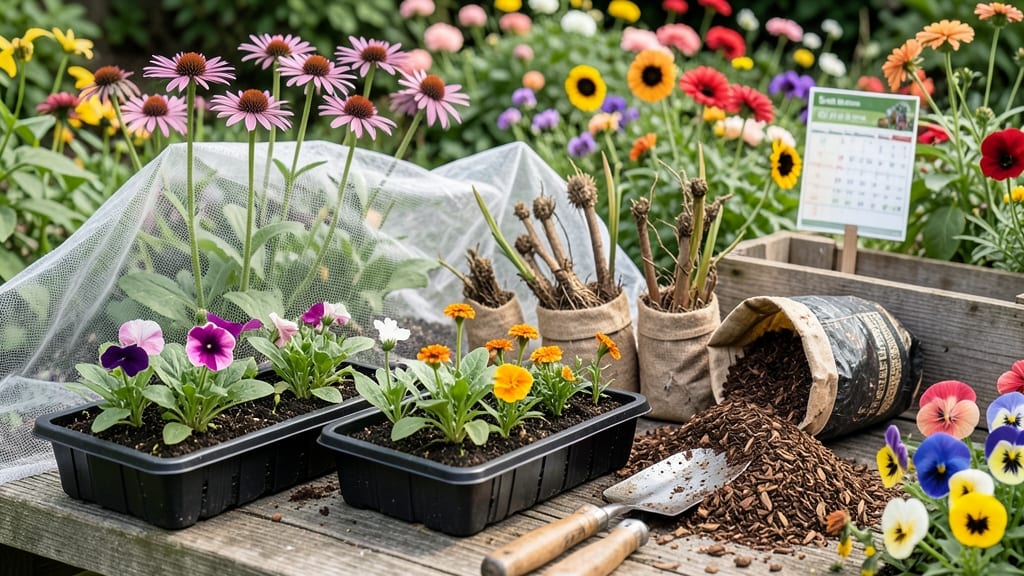
You can plant flowers outside once the soil warms to at least 60°F and after your last frost date—typically mid-April in Zone 6a, but timing varies wildly across the country.
Timing your flower planting perfectly ensures vibrant blooms all season—but getting it wrong can leave you with wilted dreams and wasted seeds. The key? Understanding your hardiness zone and last frost date.
Even in Zone 6a, where spring arrives around mid-April, a late frost can still sneak in. That’s why I’ll walk you through how to read frost maps, adjust for your microclimate, and pick the best warm-season flowers for your area.
By the end, you’ll know exactly when to plant—whether you’re starting seeds indoors or popping in those annuals for instant color—plus how to avoid the five most common mistakes that kill early blooms.
How to find your last frost date by USDA hardiness Zone
Planting flowers outside at the right time means the difference between a lush, blooming garden and frost-nipped failures. Your last frost date is the final average date when temperatures drop below 32°F (0°C), signaling it's safe to plant frost-sensitive flowers.
But how do you find yours? Let's break it down step-by-step.
First, locate your USDA Hardiness Zone—this two-part number (like Zone 7b) defines your climate range. Use the USDA Plant Hardiness Zone Map (available at planthardiness.ars.usda.gov) to enter your ZIP code. This map divides the U.S. into 13 zones, each with unique frost patterns.
Once you know your zone, check the average last frost date for your area. For example, Zone 5 typically sees its last frost around May 15, while Zone 9 may experience frost as late as January 15. These dates vary by microclimates (e.g., valleys frost later than hilltops).
For a more precise timeline, consult your local cooperative extension office or use tools like the National Oceanic and Atmospheric Administration (NOAA) frost data. These resources provide historical frost records and can help you adjust for early or late frosts in your area.
Here’s a quick reference for annual vs. perennial flowers and their frost tolerance:
To calculate your personalized planting window, add a 10-14 day buffer after your last frost date. This accounts for unpredictable late frosts and gives seedlings time to establish roots. For example, if your last frost is May 1, aim to plant May 15-20.
For warm-season flowers like tomatoes or impatiens, wait until the soil temperature reaches 60°F (15°C). Use a soil thermometer to check—cold soil slows germination and stunts growth. In Zone 5-7, this usually aligns with late May to early June.
Pro tip: Use frost cloth or row covers to extend your planting season by 2-4 weeks in early spring or fall. This is especially useful for tender perennials like geraniums or salvias, which can handle short-term cold snaps with protection.
Remember, local weather patterns matter more than zones alone. Check your 10-day forecast and monitor nighttime lows—if temperatures dip below 40°F (4°C), delay planting until conditions stabilize. Patience now means bigger, healthier blooms later!
Best flower planting times by Zone (Zone 3-10 breakdown)
Planting flowers at the wrong time can mean the difference between a showstopping garden and a sad, withered mess. Your USDA hardiness zone determines when to plant cool-season flowers like pansies versus warm-season bloomers such as marigolds. Marginal zones (like Zone 6b) need extra care—here’s how to nail your timing.
Cool-season flowers thrive in 40-60°F soil and can handle light frosts, while warm-season varieties need 60°F+ soil and consistent warmth. Below, I’ve broken down the ideal planting windows for each zone, plus transitional tips for tricky areas.
| Zone | Cool-Season Flowers (Pansies, Snapdragons) | Warm-Season Flowers (Marigolds, Petunias) | Transitional Tip |
|---|---|---|---|
| 3-4 | Early May - June | After June 15 | Use row covers for early warm-season plants |
| 5-6 | April 15 - May 10 | May 10 - June 1 | Wait for soil to warm to 60°F |
| 7-8 | September 1 - October 15 | March 1 - April 15 | Plant warm-season flowers early in Zone 7 |
| 9-10 | October 15 - November 1 | February 1 - March 15 | Extend cool-season blooms with shade cloth |
In Zone 5-6, where I garden, I always plant pansies in early April for spring color, then swap them out for petunias after Memorial Day. For Zone 9-10, you can enjoy year-round blooms by staggering plantings—cool-season flowers in fall and warm-season varieties in early spring.
Pro tip: Use mulch to regulate soil temperature in marginal zones. A 2-inch layer of straw can delay frost damage by 1-2 weeks in spring or extend fall blooms. For Zone 7b, I’ve even planted marigolds in February under cold frames for early color.
Remember, last frost dates are averages—always monitor your local weather and be ready to cover tender plants if frost is forecasted. With these guidelines, you’ll have blooms all season long, no matter where you garden!