
Flowers
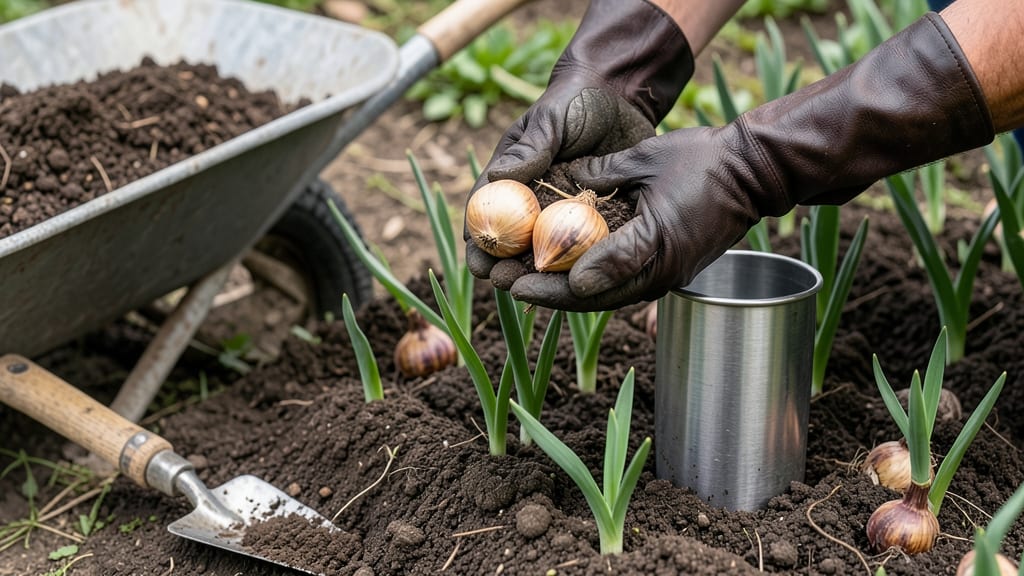
You can plant flowers in spring once the last frost date has passed and soil warms to at least 50°F—typically mid-April to early May in most regions.
Timing your spring flower planting wrong can mean wilted dreams before summer blooms—knowing the last frost date for your region is the secret to vibrant gardens. One wrong move, like planting too early, and a late frost will turn your tender seedlings into sad, mushy piles.
But here’s the good news: with the right timing, you’ll get blooms that last from spring through fall. Whether you’re in a chilly USDA Zone 6a or a warmer climate, this guide breaks down exactly when to plant for the most vibrant, long-lasting flowers.
Discover how to prepare your soil, harden off seedlings, and avoid common pitfalls—so you can enjoy a garden bursting with color all season long.
Spring flower planting timeline by last frost date Zones
Getting your spring flowers in the ground at the right time means the difference between a garden bursting with color and one that never quite takes off.
The last frost date is your garden's GPS—it tells you when the risk of frost has passed and the soil has warmed enough to support tender roots.
But here's the catch: annuals and perennials have different rules, and cold-hardy flowers like pansies can handle light frosts while tender varieties like impatiens will bolt if planted too early.
I've spent years tracking planting windows across USDA zones 3 through 10, and the patterns are fascinating.
In Zone 3 (think Minnesota or upstate New York), you might not plant tender annuals until late May, while in Zone 10 (Southern California or Florida), your window opens as early as February.
The key is matching your local last frost date with each plant's cold tolerance—and that's exactly what this timeline does for you.
| USDA Zone | Last Frost Date Range | Cold-Hardy Annuals | Tender Annuals | Perennials |
|---|---|---|---|---|
| 3-4 | May 1-15 | Pansies, Sweet Alyssum, Snapdragons | Start indoors March 1 | Peonies, Lavender (after frost) |
| 5-6 | April 15-May 1 | Calendula, Stock, Larkspur | Start indoors Feb 15 | Coneflowers, Black-Eyed Susans |
| 7-8 | March 15-April 15 | Marigolds, Zinnias, Cosmos | Direct sow after frost | Daylilies, Bee Balm |
| 9-10 | January 15-February 15 | Petunias, Geraniums, Begonias | Plant anytime (avoid summer heat) | Lantana, Salvia (year-round) |
For Zone 3-4 gardeners, I recommend starting cold-hardy annuals like pansies and sweet alyssum as early as late April—these beauties can handle light frosts down to 25°F. But tender annuals?
Those need to wait until after your last frost date, which might not come until mid-May. Pro tip: Use row covers to extend your season by 2-3 weeks if you're eager to plant earlier.
In Zones 5-6, where I garden, my last frost date typically falls around April 20th. This is when I plant direct-sown annuals like zinnias and cosmos, but I've already had my hardy perennials like coneflowers and black-eyed Susans in the ground since early April.
The secret here is soil temperature—wait until it reaches at least 50°F before planting anything but the toughest varieties.
Gardeners in Zones 7-8 have the luxury of an earlier window—often by mid-March. This is when I plant warm-season annuals like sunflowers and marigolds, but only after testing the soil. If you plant too early in these zones, you risk heat stress later in the season.
My rule of thumb? If your last frost date is before March 15th, hold off on tender annuals until at least April 1st.
For Zones 9-10, where winters are mild, the real challenge is avoiding summer heat. Many gardeners here plant year-round, but even in these warm climates, I recommend planting spring-blooming annuals like petunias in January-February to beat the summer heat.
Perennials like lantana thrive when planted in fall or early spring, so timing your first frost date is just as important as your last.
One mistake I see new gardeners make is ignoring microclimates within their own yards. A south-facing slope might warm up 2-3 weeks earlier than the rest of your garden.
Use this to your advantage by planting heat-loving annuals like portulaca on warm spots first, then move to cooler areas as the season progresses. And always check your local extension service for the most accurate frost dates—they're often more precise than online calculators.
Finally, remember that perennials have
How to adjust flower planting for early vs. late springs
Spring weather plays tricks—one week can bring frost, the next scorching heat. If you plant too early in cold climates, tender seedlings will crisp. Plant too late in warm zones, and flowers may bolt before blooming.
The key is adapting your approach to your region's last frost date and seasonal quirks. Whether you're in Zone 3 with lingering snow or Zone 10 where summer arrives early, these strategies will keep your flowers thriving.
In frost-prone areas, hardening off seedlings and using row covers buys you critical weeks to extend the growing season. Meanwhile, in warmer climates, succession planting and shade cloth prevent heat stress. Let’s break down how to fine-tune your planting schedule for your unique spring conditions.
🌱 5 Key Adjustments for Early vs. Late Springs
-
1. Harden Off Seedlings Gradually
Expose seedlings to outdoor conditions over 7-10 days—start with 1-2 hours/day, then increase. Use shade cloth if temps exceed 75°F. -
2. Use Frost Protection Tools
Deploy row covers, cloches, or straw mulch to shield plants from late frosts. Remove covers once daytime temps stay above 50°F. -
3. Plant Heat-Tolerant Varieties Early
Choose marigolds, zinnias, or sunflowers—they thrive in 80°F+ heat. Avoid pansies or snapdragons, which bolt quickly. -
4. Succession Plant Every 2-3 Weeks
Stagger plantings of fast-growing annuals like basil or cosmos to ensure continuous blooms. Start with 1/3 of your seeds at a time. -
5. Adjust Watering for Extreme Temps
Water deeply in the morning to prevent fungal diseases in humidity. In drought-prone areas, mulch heavily to retain moisture.
For early springs with unpredictable frosts, I recommend planting cool-season flowers like pansies or sweet peas 4-6 weeks before your last frost date. These hardy varieties can handle 32°F temps and even bloom in cooler weather.
Pair them with cold frames or low tunnels to create a microclimate for tender seedlings.
In late springs, where heat arrives early, focus on shade-loving flowers like impatiens or coleus for container gardens. For in-ground plantings, use drip irrigation to keep roots cool and avoid overhead watering, which can scorch leaves.
If your area experiences heat waves before Memorial Day, opt for evening-blooming flowers like moonflowers to reduce stress on daytime heat.
Pro tip: Check your local Cooperative Extension Service for hyper-local advice. They often provide weekly frost forecasts and soil temperature updates. For example, in Zone 5, I’ve seen last frost dates range from May 1-15, while Zone 8 might already be planting by March 15.
Align your schedule with these dates, and your garden will reward you with longer bloom seasons and fewer losses.
Remember, the goal isn’t perfection—it’s resilience. Even in challenging springs, a few strategic adjustments can turn a risky planting season into a bountiful display. Start small, observe your plants’ responses, and refine your approach each year. Your future self (and your pollinators!) will thank you. 🌷