
Blooming
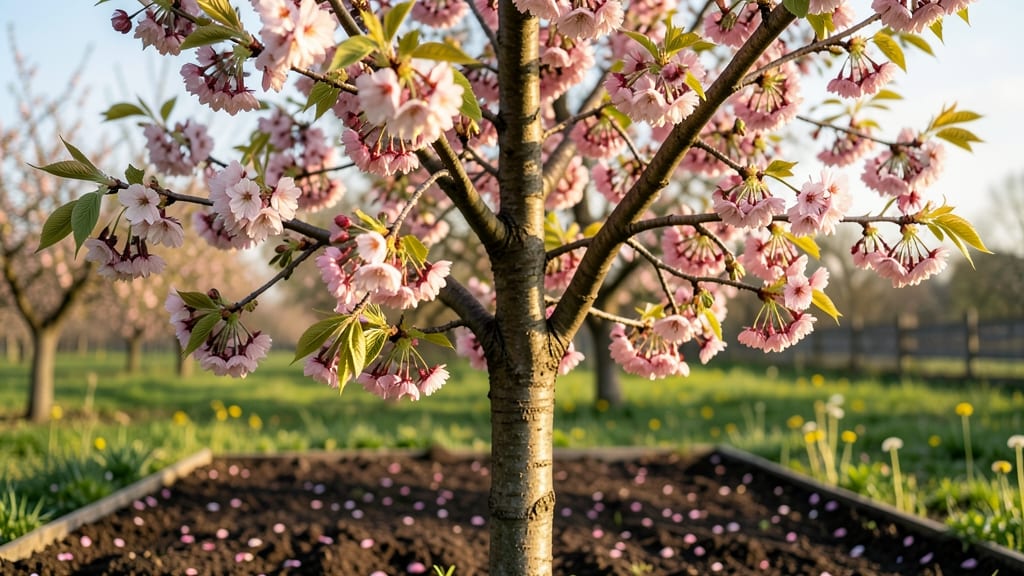
Cherry trees flower in late winter to early spring 🍒, with bloom timing that shifts dramatically based on variety and climate—some burst into color by February, while others wait until May.
Timing your cherry blossom viewing—or planning your orchard—depends on knowing exactly when cherry trees flower, as their bloom seasons vary wildly by variety and climate.
Ornamental varieties like Yoshino cherries often bloom first, turning neighborhoods into pink clouds by March, while tart cherries may linger until April or May, depending on your USDA zone.
Below, I’ll break down the exact bloom windows for common types, how to read your local climate’s cues, and the simple tricks to encourage earlier—or longer—blooms in your yard.
Cherry tree flowering seasons by variety: timing for ornamental vs. fruit trees
If you’ve ever dreamed of waking up to a canopy of pink cherry blossoms or planning your harvest season, timing is everything. Cherry trees bloom at different times depending on whether they’re grown for their ornamental flowers or edible fruit.
Ornamental varieties like Yoshino and Kwanzan burst into color weeks before fruit-bearing trees, while sweet cherries and sour cherries time their blooms to align with fruit development. Let’s break down the exact bloom windows so you never miss the show—or the harvest!
Understanding these differences helps you plan garden tours, schedule pruning, or even time fruit picking for peak flavor.
For example, early bloomers like the Stella Pink cherry can flower as early as late February in mild climates, while late bloomers such as the Montmorency sour cherry might wait until mid-April.
Regional variations also play a huge role—trees in Zone 5 bloom later than those in Zone 8, sometimes by 3-4 weeks.
Here’s the key distinction: ornamental cherries prioritize showy flowers and fall foliage, while fruit-bearing cherries balance blooms with fruit set timing.
Ornamental varieties often have double blooms or unique colors like white, deep pink, or purple, whereas fruit trees focus on pollination efficiency and fruit development. Let’s dive into the specifics so you can choose the perfect cherry for your garden goals.
| Variety | Type | Bloom Period | Key Features | Best For |
|---|---|---|---|---|
| Yoshino | Ornamental | Late March - Early April | Massive pink blooms, fragrant, no fruit | Landscaping, parks |
| Kwanzan | Ornamental | Mid-April | Double pink blooms, late spring foliage | Urban gardens, containers |
| Weeping Cherry (Akebono) | Ornamental | Early April | Graceful branches, white blooms | Small spaces, bonsai |
| Stella Pink | Fruit (Sweet) | Late March - Early April | Pink flowers, self-pollinating, early fruit | Home orchards, early harvests |
| Montmorency | Fruit (Sour) | Mid-April | White flowers, tart cherries, cold-hardy | Northern climates, preserves |
| Bing | Fruit (Sweet) | Late April | Dark red flowers, large sweet cherries | Commercial orchards, fresh eating |
Ornamental cherries like the Yoshino cherry are the stars of spring gardens, often blooming 2-3 weeks earlier than fruit-bearing varieties. Their massive clusters of pink flowers create a stunning visual impact, but they produce no usable fruit.
If you’re planning a blossom-viewing event, these varieties are your best bet—their fragrant blooms can last
How climate zones affect cherry tree flowering: USDA zone guide for best bloom timing
Your cherry tree's bloom timing depends heavily on your USDA hardiness zone. In colder zones (3-5), trees often flower 2-4 weeks later than in warmer zones (8-9) due to delayed bud break. Understanding these patterns helps you plan for peak blossom viewing or fruit harvests.
Warmer climates (zones 8-9) trigger blooms as early as January-February, while northern zones (3-5) may not see flowers until late April-May. This monthly variation creates a stunning progression across the country, with each zone offering its own cherry blossom spectacle.
| USDA Zone | Typical Bloom Window | Key Factors | Pro Tip |
|---|---|---|---|
| 3-5 | Late April - Early May | Cold winters, late frost dates | Choose late-blooming varieties like Montmorency |
| 6-7 | Mid-April - Mid-May | Moderate chilling, variable spring temps | Prune in late winter to avoid late frost damage |
| 8-9 | January - March | Mild winters, early bud break | Use dwarf varieties for container growing |
| 10+ | December - February | Minimal winter chill, extended bloom | Consider everblooming varieties like Okame |
In zones 3-5, cherry trees often need 600-1,000 hours of winter chilling below 45°F to trigger blooms. If your area gets less chill hours, select varieties like Stella or Lapins that require 300-500 hours—ideal for zones 6-7.
Southern gardeners in zones 8-9 can enjoy winter blooms (December-February), but beware of late frost risks. Protect young trees with frost cloth during critical bloom periods. For zones 10+, choose tropical varieties like Geisha that thrive in mild winters.
To extend your cherry blossom season, plant a mix of early, mid, and late-blooming varieties. For example, pair Yoshino (early) with Kwanzan (late) to create a 6-week bloom display. In extreme zones, consider microclimate planting near walls or slopes that capture warmer sun exposure.
Monitor your local National Weather Service for 10-day forecasts during bloom season. Sudden cold snaps in zones 6-7 can damage open blossoms, while heat waves in zones 8-9 may cause premature petal drop. With the right zone-appropriate variety, you'll enjoy stunning cherry blossoms year after year. 🌸