
Flowers
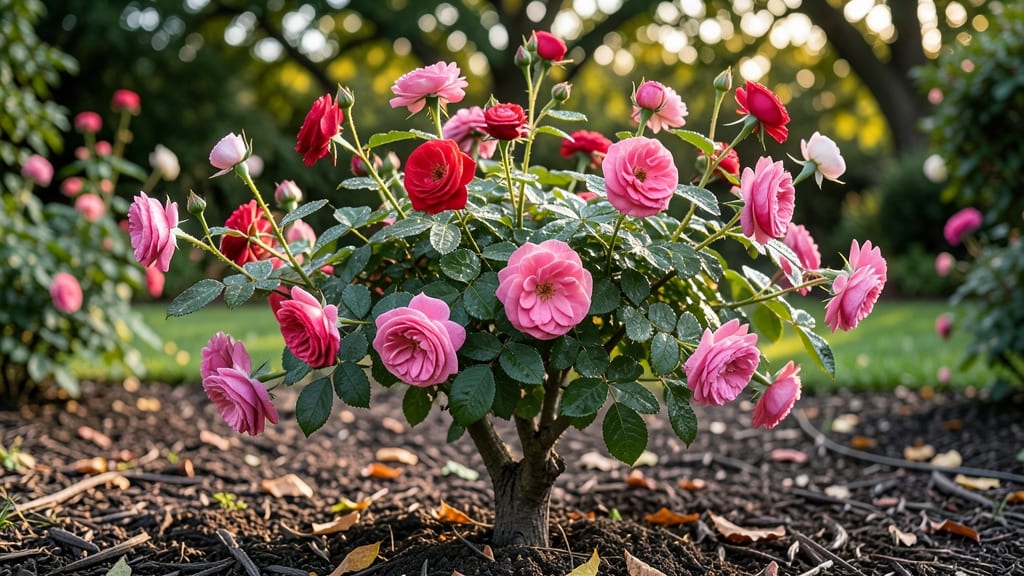
Climbing roses flower in late spring through summer, with blooms stretching from May to September in most regions 🌹 — but the exact timing depends on your zone, variety, and a little extra care.
If you’ve ever dreamed of a garden bursting with fragrant, cascading blooms but wondered when climbing roses actually flower, you’re not alone — timing is everything for these show-stopping plants.
In Zone 6a, where many gardeners live, you can expect the first flush of flowers in May, with some varieties like ‘New Dawn’ producing early blooms as soon as April. Repeat-flowering types may give you a second show in late summer, while once-blooming roses wrap up by July.
Below, I’ll break down the best months for your zone, how to encourage longer blooms, and the pruning secrets that keep your climbing roses flowering like clockwork all season.
Climbing rose bloom times by USDA hardiness zones: month-by-month guide
Timing your climbing rose blooms isn’t just about aesthetics—it’s about matching your USDA hardiness zone to the right rose varieties for year-round color.
Whether you’re in Zone 3 with harsh winters or Zone 10 with mild climates, knowing when to expect blooms helps you plan pruning, fertilizing, and even seasonal support structures. The key difference? Early-season roses burst into bloom in spring, while repeat-flowering varieties can extend the show until frost.
Climate plays a huge role—cooler zones like Zone 5 may see blooms delayed until late May, while warmer zones like Zone 9 can enjoy flowers as early as February.
Even within the same zone, once-blooming roses (like ‘Blaze’) have one flush of flowers, while repeat-bloomers (like ‘New Dawn’) reward you with multiple cycles. Let’s break down the exact months for each zone so you can plan your garden’s bloom calendar like a pro.
| USDA Zone | Early Season | Peak Season | Late Season | Notes |
|---|---|---|---|---|
| Zone 3 | Late May | June–July | August (repeat bloomers) | Cold-hardy varieties like ‘Zephirine Drouhin’ thrive here. |
| Zone 4 | Late May | June–July | August–September | ‘New Dawn’ is a top pick for repeat blooms. |
| Zone 5 | Early May | June–July | August–September | Prune in late winter for earlier blooms. |
| Zone 6 | April–May | June–August | September–October | Ideal for ‘Climbing Iceberg’ (white blooms). |
| Zone 7 | March–April | May–July | August–October | Longer bloom season with mild winters. |
| Zone 8 | February–March | April–June | July–November | ‘Cecile Brunner’ blooms nearly year-round. |
| Zone 9 | January–February | March–May | June–December | Minimal winter dormancy; prune lightly. |
| Zone 10 | December–January | February–April | May–November | Tropical varieties like ‘Bridal Cascade’ shine. |
If you’re in Zone 3 or 4, focus on late-May blooms as your first showstopper.
These zones often see a 6–8 week peak in June–July, followed by a secondary flush in August if you’re growing repeat varieties. Zone 5 gardeners get a head start with early-May blooms, but a late frost can delay things—always have frost cloth ready for young buds.
Warmer zones like Zone 6–7 offer the longest bloom windows, with some roses flowering from April through October. Here, pruning in late winter (February–March) removes dead wood and encourages earlier blooms. In Zone 8–10, roses can bloom year-round with minimal dormancy.
For example, ‘Cecile Brunner’ in Zone 8 might give you flowers from March to November—that’s nearly a full year of color!
Pro tip: Deadhead spent blooms in all zones to trigger repeat flowering. In cooler climates (Zones 3–6), this encourages a second flush in late summer. In warmer zones (Zones 7–10), deadheading keeps roses blooming continuously until frost.
Pair this with balanced fertilizer (like 10-10-10) every 4–6 weeks during the growing season to fuel those vibrant blooms.
Light also matters—climbing roses need 6+ hours of direct sun daily for optimal flowering. If your zone gets
How to extend climbing rose blooms: pruning and care tips for year-round flowers
Climbing roses are the stars of any garden, but their seasonal blooms can feel fleeting if you don’t take the right steps. The key to year-round flowers lies in smart pruning techniques and consistent care.
Unlike once-blooming varieties, repeat-flowering roses can produce multiple flushes of blooms with the right approach—think June through September (or even longer in mild climates).
First, let’s tackle the timing of pruning, which directly impacts bloom production. Most gardeners make the mistake of pruning at the wrong time, either cutting back too late in the season or missing the optimal pruning window.
The secret? Prune at the right time for your climate zone and rose variety. For example, in Zone 6, late winter (February) is ideal, while in Zone 9, prune in early spring (March).
- 1 Late Winter (Zones 3-7): Prune before buds swell (Feb-Mar). This removes dead wood and shapes the plant for spring blooms.
- 2 Early Spring (Zones 8-10): Prune after last frost (March-April). Mild winters mean roses start growing earlier, so delay pruning until new growth appears.
- 3 Summer Deadheading: Remove spent blooms regularly to encourage repeat flowering. Use clean pruners and cut just above a leaf cluster.
- 4 Light Pruning in Fall: Trim weak or diseased stems after blooming ends. Avoid heavy pruning—roses need time to harden off for winter.
- 5 Winter Pruning (Zones 3-6): Wait until dormant season (Dec-Jan). Prune to remove dead or crossing branches, but leave healthy canes for spring growth.
Beyond pruning, soil health is the foundation of prolonged blooming. Climbing roses thrive in well-draining, nutrient-rich soil with a slightly acidic pH (6.0-6.5). Amend your soil with compost and a balanced fertilizer (like 10-10-10) in early spring.
I like to add a layer of mulch around the base to retain moisture and regulate soil temperature—this helps roses bloom longer in heat waves.
Watering is another critical factor for extending blooms. Roses need deep, consistent watering—about 1-2 gallons per week during peak bloom season. Water at the base of the plant in the early morning to reduce disease risk.
Overhead watering can lead to fungal issues like black spot, which weakens plants and cuts blooms short. In hot climates, I increase watering frequency to every 2-3 days and provide afternoon shade to prevent stress.
Don’t overlook the power of seasonal adjustments. In late summer, reduce nitrogen-rich fertilizers to encourage flower bud formation for next year. Instead, switch to a phosphorus-heavy feed (like 5-10-10) to boost root and bloom development.
For repeat-flowering varieties, a light feeding in early fall can stimulate late-season blooms before dormancy. And always clean up fallen leaves—they can harbor pests and diseases that shorten bloom cycles.
With these care strategies, your climbing roses can bloom from spring to frost. The secret is consistency: prune at the right time, feed smartly, water deeply, and deadhead regularly.
My ‘New Dawn’* roses now bloom from May through October—and with a little extra care, yours can too! 🌹