
Blooming
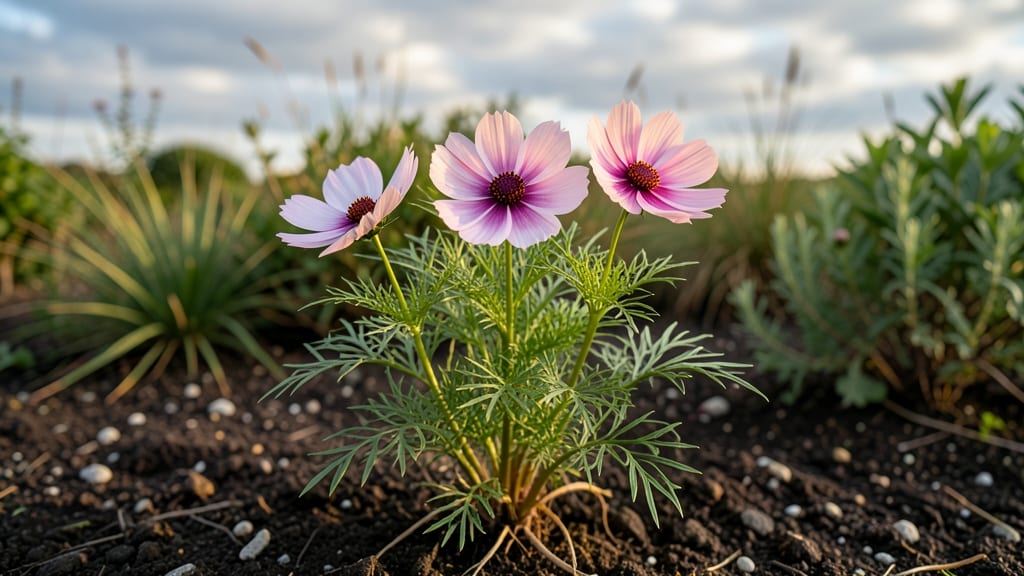
Cosmos flowers bloom from mid-summer through fall, turning gardens into a riot of pink, white, and magenta 🌼—but the exact timing depends on your USDA zone and a few clever care tricks.
If you’ve ever wondered why your cosmos flowers seem to vanish after summer’s peak, timing is everything—these vibrant blooms follow a precise seasonal rhythm that varies dramatically by your USDA zone.
In Zone 6a (like much of the Midwest), expect your cosmos to burst into color by early July, with peak blooms stretching into October if you play your cards right. Warmer zones like 9-11?
They kick off as early as June, while cooler zones (3-5) might wait until late July—but don’t worry, we’ll show you how to nudge those blooms earlier or later.
Below, I’ll break down the month-by-month blooming schedule by zone, plus proven tips to extend your cosmos’ show—so you can enjoy their cheerful faces for weeks longer than your neighbors.
Cosmos bloom timeline by USDA zone: exact months to expect flowers
Timing your cosmos blooms correctly means understanding your USDA zone and how it affects frost sensitivity. In warmer zones (9-11), cosmos often begin blooming as early as March, while cooler zones (3-5) may not see flowers until July or August.
This variation comes down to frost-free days and soil temperatures—critical factors for seed germination and plant establishment.
For gardeners in Zones 6-8, the sweet spot for blooms typically falls between June and October, with peak performance in July and August. However, early varieties like 'Bright Lights' or 'Sensation Mix' can push blooms into May if sown indoors 6-8 weeks before your last frost date.
Always check your last frost date to time sowing correctly.
Here’s your month-by-month breakdown of cosmos blooming across all USDA zones, including frost-sensitive adjustments:
In Zones 3-5, where frost lingers longer, cosmos often bloom later because seedlings need consistent soil temperatures above 50°F (10°C) to thrive. If you’re in these zones, consider using row covers or starting seeds indoors 8-10 weeks before your last frost date to jumpstart growth.
Early varieties like 'Seashells' are ideal for cooler climates.
For Zones 6-8, the key to prolonged blooms is succession planting every 2-3 weeks from May through July. This ensures a continuous display from June through October. In these zones, cosmos also tolerate light frosts once established, making them low-maintenance perennials in Zones 9-11.
In Zones 9-11, cosmos are nearly frost-proof and can bloom year-round with minimal care. However, they still benefit from deadheading to encourage new flowers. Varieties like 'Sonata Double Click' thrive in these climates, producing double blooms from spring to fall.
For a longer season, plant 'Pink Sensation' in early spring and 'Bright Lights' in late summer.
Regardless of your zone, full sun exposure (6+ hours daily) is non-negotiable for cosmos. Without adequate light, blooms will be smaller and less vibrant. In shadier conditions, focus on dwarf varieties like 'Purity', which tolerates partial shade better than taller types.
Always pair cosmos with companion plants like marigolds to deter pests and boost bloom production.
Pro tip: Use a planting calendar to track your cosmos’ progress. Mark the date of the first bloom and the last frost in your area—this helps you adjust future plantings for earlier or later blooms.
For example, if your cosmos bloom 2 weeks earlier than expected, you can push sowing dates back by 10 days next year. 🌼
Remember, cosmos are self-seeding annuals, meaning they’ll often reappear year after year without replanting. If you live in Zones 9-11, you might even find volunteer plants popping up in unexpected spots—just remove them if they’re not where you want them!
For Zones 3-8, collect seeds from your best blooms in late fall and store them in a cool, dry place
How to extend cosmos blooming season: proven techniques for longer flowers
Cosmos flowers typically bloom from mid-summer to early fall, but with the right techniques, you can stretch that season by 4-6 weeks in either direction. The key lies in understanding your USDA zone and timing interventions like early sowing or succession planting.
In Zones 3-5, where frost arrives earlier, starting seeds indoors in March gives you a head start, while Zones 9-11 gardeners can push blooms later by planting heat-tolerant varieties like 'Bright Lights' in late spring.
For gardeners in Zones 6-8, the sweet spot is late May sowing, which aligns with soil warmth but avoids the July heat stress that can shorten bloom cycles.
I’ve found that succession planting every 2-3 weeks creates a staggered display—just be sure to space varieties like 'Sensation Mix' and 'Double Click' to prevent overcrowding.
🌼
🌱 When Do Cosmos Flowers Bloom?
Standard timeline: July–October in most zones, but 60–90 days after sowing (varies by variety). Early bloomers (like 'Purity') can start as early as June in Zones 9-11, while late varieties (like 'Cosmic Orange') may bloom until first frost in Zones 3-5. Cold frames can push blooms 2–3 weeks earlier in spring.
To extend blooms into late fall, focus on deadheading—removing spent flowers encourages new buds. I deadhead my cosmos every 3–4 days during peak bloom, which keeps my 'Seashells' variety flowering until November in Zone 7.
Pair this with light fertilization (5-10-10 NPK) every 4–6 weeks to support continuous growth without overfeeding, which can lead to leafy growth at the expense of blooms.
For earlier blooms, try cold frames or row covers in Zones 3-6. Starting seeds under cover in late March lets me transplant hardened-off seedlings in early May, giving me blooms by late June—a full month ahead of traditional planting.
Just ensure your frame provides protection from late frosts while allowing 6+ hours of sunlight daily.
In drought-prone zones (8-11), deep watering once a week (1–1.5 inches) is critical to prevent stress-induced early senescence. I’ve seen cosmos in Zone 10 bloom until December when given consistent moisture and mulch to retain soil warmth.
Avoid overhead watering, which can promote powdery mildew—a common issue that shortens bloom cycles.
Pro tip: Interplant cosmos with companion plants like basil or marigolds to deter pests and extend the season. My Zone 6 garden stays vibrant until mid-November thanks to this strategy, and the pollinators love the continuous nectar supply.