
Flowers
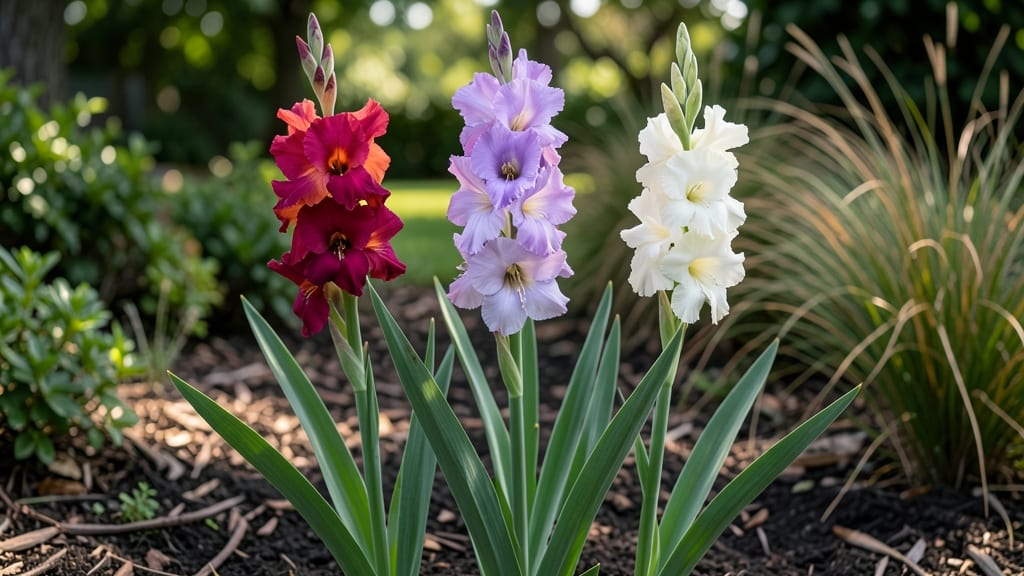
Gladioli flower between mid-summer and early fall 🌸, turning your garden into a vertical burst of color—but timing depends on where you live and how you plant them.
If you’ve ever wondered why your gladioli bloom earlier or later than your neighbor’s—or why some varieties seem to defy the calendar—it’s all about the planting window and your local climate.
In Zone 6a, for example, most varieties peak in August, but cooler summers or late spring planting can push blooms into September.
Here’s the secret to getting those dramatic spikes on schedule: plant corms 4-6 inches deep in April or May (after frost), give them full sun, and feed them lightly every 4-6 weeks once shoots appear.
Skip these steps, and you might end up with taller stems but fewer flowers—or worse, no blooms at all.
Below, I’ll break down the exact months for your zone, how to adjust for early or late blooms, and the 3 biggest mistakes that rob gladioli of their show-stopping potential. Ready to turn your garden into a flowering tower?
Gladioli flowering timeline by USDA hardiness Zones: month-by-month guide
Timing your gladioli blooms depends entirely on your USDA hardiness zone and the specific variety you grow. In colder climates like Zone 3, expect a shorter bloom window, while warmer Zone 10 gardens can enjoy gladioli well into fall.
The key to stunning displays lies in understanding these regional differences and adjusting your planting schedule accordingly.
Early blooming varieties like 'Early White' or 'Champagne' often push blooms forward by 2-3 weeks, while late varieties such as 'Black Star' or 'Green Star' extend the season.
For example, in Zone 7, you might see July-August peaks, but in Zone 10, those same varieties could bloom until October. Let's break down what to expect where.
📌 PRO TIP: Always plant gladioli corms 6-8 weeks before your average last frost date for optimal bloom timing. This ensures they establish roots before active growth begins.
| USDA Zone | Typical Bloom Window | Early Varieties | Late Varieties | Climate Adjustment |
|---|---|---|---|---|
| Zones 3-4 | Mid-July to early August | Early White (June-July) | Black Star (Aug-Sept) | Use row covers for earlier blooms |
| Zones 5-6 | Late July to mid-September | Champagne (July-Aug) | Green Star (Sept-Oct) | Plant in May for best results |
| Zones 7-8 | July to October | Pink Perfection (June-July) | Purple Dome (Sept-Nov) | Succession plant every 2 weeks |
| Zones 9-10 | June to November | Orange Flame (May-June) | White Friendship (Oct-Dec) | Plant year-round in warm climates |
| Zone 11 | March to December | Red Beauty (Feb-Mar) | Blue Horizon (Nov-Jan) | Plant in fall for spring blooms |
In Zones 3-4, where winters are harsh, gladioli typically bloom between mid-July and early August. Early varieties like 'Early White' can push blooms into late June if planted early, while late varieties like 'Black Star' may extend flowering until September.
Using row covers or cold frames can help jumpstart growth and bring blooms forward by 1-2 weeks.
For Zones 5-6, the bloom window stretches from late July to mid-September. Here, the difference between early and late varieties becomes more pronounced. Planting Champagne in early May gives you blooms by July 4th, while Green Star planted in late May may not peak until September.
This zone benefits most from succession planting every 2-3 weeks to maintain continuous color.
Gardeners in Zones 7-8 enjoy the longest traditional bloom window from July to October. The mild winters allow for more flexibility in planting times.
For example, 'Pink Perfection' planted in early April will bloom by Memorial Day, while 'Purple Dome' planted in late May may not reach its peak until Labor Day. In these zones, late summer heat can shorten bloom cycles, so providing afternoon shade helps prolong flowering.
Warmer climates in Zones 9-10 create a unique opportunity for year-round blooms, though the peak occurs from June to November. Early varieties like 'Orange Flame' can bloom as early as May, while 'White Friendship' may continue flowering until <
How to extend gladioli blooms: pro tips for longer flowering seasons
Gladioli are famous for their towering, vibrant blooms, but their flowering window can feel disappointingly short. The good news? With a few strategic tweaks, you can extend their bloom time by 2-4 weeks—or even shift their flowering season to match your garden’s needs.
The secret lies in understanding how corm dormancy, planting depth, and succession planting interact with your local climate.
Most gardeners plant gladioli corms in spring after the last frost, expecting blooms in mid-to-late summer. But if you’ve ever wished for fall blooms or earlier summer color, you’re not alone.
The key is to trick the corms into thinking winter has passed—or to delay their dormancy—using simple techniques that require minimal extra effort. Let’s dive into the proven methods that work for both beginners and seasoned gardeners.
- 1 Chill corms for 8-10 weeks before planting to mimic winter and force earlier blooms. Store them in a cool, dark place (like a fridge) at 40-50°F.
- 2 Plant corms deeper (6-8 inches) in well-draining soil to delay flowering by 1-2 weeks. Shallower planting (4 inches) speeds up blooms.
- 3 Use succession planting: Stagger corm planting every 2 weeks in spring for a continuous bloom from July to September. Start with early varieties first.
- 4 Avoid over-fertilizing with nitrogen. Too much N-P-K (high nitrogen) promotes leafy growth over blooms. Use a balanced 10-10-10 fertilizer instead.
- 5 Deadhead spent blooms to encourage new flower spikes. Cut stems just above the next set of buds to redirect energy into secondary blooms.
One of the biggest mistakes gardeners make is planting all corms at once and expecting a long bloom season. Gladioli have a natural flowering window of 3-4 weeks per planting, but by staggering plantings, you can double that time.
For example, plant a batch in early May for July blooms, then add another in mid-June for August-September color. This works especially well in warmer climates (Zones 8-10), where gladioli can bloom into early fall.
If you’re aiming for fall blooms, focus on late-season varieties like 'Green Star' or 'Pink Perfection', which naturally flower later.
Pair this with deeper planting (7-8 inches) and reduced watering in late summer to stress the plant slightly, which can trigger earlier dormancy and delay blooming just enough to align with your desired timeline.
Remember, gladioli are sun-worshippers—they need 6+ hours of direct sunlight daily to perform their best. If your garden is shady, blooms will be smaller and shorter-lived. Pair these extension tips with full-sun placement, and you’ll enjoy stunning gladioli blooms for weeks longer than the average gardener.
With a little planning, your garden can be a nonstop parade of color from summer through fall.