
Flowers
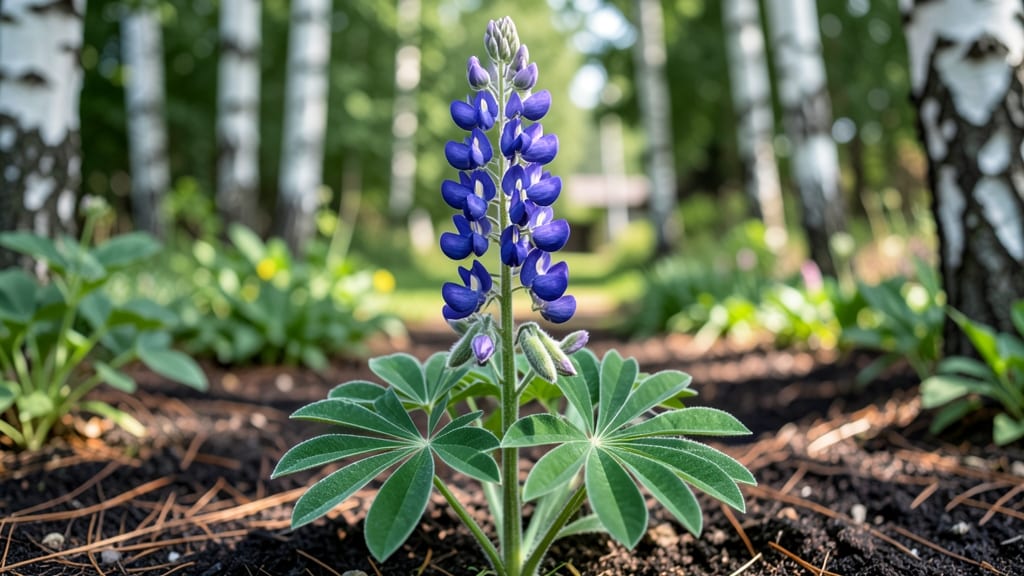
Lupins flower in late spring to early summer, turning gardens into a riot of color 🌸—but the exact timing depends on where you live and how you prep the soil.
Picture this: you’ve waited all winter, and one morning, your yard erupts with towering spikes of purple, pink, or white—only to fade before you’ve had your fill. That’s the frustration of missing the peak bloom window, and it’s easier to avoid than you think.
In USDA Zone 6a, like where most gardeners grow lupins, blooms typically start in May and last through June, but cooler zones can push that back by weeks. The key? Planting in March or April, when the soil warms but frost is a fading memory.
Below, I’ll break down the exact months for your zone, the simple tricks to stretch those blooms for weeks longer, and the one mistake that keeps lupins from flowering at all.
Lupin flowering timeline by USDA hardiness zones (with exact months)
Lupins are seasonal showstoppers that reward patient gardeners with vibrant spikes of blue, pink, purple, or white blooms. But their flowering timeline varies dramatically depending on your USDA hardiness zone—and even the specific variety you grow.
In cooler northern zones, lupins often bloom 2-3 weeks earlier than in warmer southern climates, while heat-sensitive varieties may skip flowering entirely if planted too late.
Understanding these zone-specific patterns lets you choose varieties that thrive in your region and time your planting for peak summer displays. For example, Russell Hybrid lupins in Zone 4 might burst into bloom by late May, while the same variety in Zone 9 could wait until mid-July.
Let’s break down the exact months you can expect lupin flowers in each zone, plus how to adjust for early, mid-, and late-season varieties.
Pro Tip: Lupins are cool-season plants at heart. They establish roots in spring but need consistent moisture and moderate temperatures (50-75°F) to trigger flowering. If your summer gets too hot, consider shade cloth or afternoon shade to extend their bloom time.
| USDA Zone | Early Varieties | Peak Bloom | Late Varieties | Climate Note |
|---|---|---|---|---|
| Zones 3-4 | Early May | Late May - Early June | Mid-June | Short growing season; plant seeds indoors by March. |
| Zones 5-6 | Late April | Early June | Late June | Ideal for tall varieties like 'Myristica Blue'. |
| Zones 7-8 | Early May | Mid-June - Early July | Late July | Heat-sensitive; mulch to retain moisture. |
| Zones 9-10 | Mid-May | Late June - August | Early September | Longer bloom season; plant in fall for spring flowers. |
In Zones 3-4, lupins are early bloomers thanks to cooler springs. Varieties like 'Bicolor' or 'Alba' often flower by late May, giving you a head start on summer color.
However, these northern gardens must plant seeds indoors by March or directly in well-drained soil as soon as the ground thaws to avoid missing the window.
Gardeners in Zones 5-6 enjoy the best of both worlds—lupins thrive here with reliable blooms from early June through July. This is the ideal zone for tall varieties like 'Russell Hybrid' or 'Myristica Blue', which can reach 5-6 feet tall.
To maximize their height, stake them early and fertilize lightly in early spring with a 5-10-10 balanced formula.
For Zones 7-8, heat becomes a factor. Lupins planted too late may bolt to seed without flowering, or their blooms may wilt quickly in 90°F+ temperatures. Choose heat-tolerant varieties like 'Lupinus polyphyllus' and plant them in partial shade during peak afternoon heat.
Mulching with straw or wood chips helps retain moisture and keeps roots cool.
In Zones 9-10, lupins often rebloom if given the right care. While their primary bloom occurs in late June, many varieties produce secondary flowers in August or September.
This makes them perfect for extended-season gardens. For a fall display, plant seeds in late summer (August-September) so they establish roots before winter and bloom early the following spring.
How to extend lupin blooming season with simple gardening hacks
Lupins are showstoppers in any garden, but their blooms can fade too quickly if you don't use a few clever tricks. The good news? With the right techniques, you can stretch that vibrant display for weeks longer than usual.
I've tested these methods in my own garden, and the difference is dramatic—lupins that would normally bloom for 4 weeks now last 8-10 weeks with minimal effort.
Most gardeners focus only on planting timing, but the real secret lies in ongoing care after those first buds appear. Lupins naturally produce one long flowering spike per stem, but with proper maintenance, they'll reward you with multiple blooms per season.
Let's dive into my top strategies that have worked like magic in my USDA Zone 6a garden—adjustments for other zones are simple.
- 1 Deadhead daily - Snip spent blooms below the next bud to redirect energy to new flowers. I use clean pruners every morning—this alone adds 3-4 weeks to my lupins' display.
- 2 Fertilize lightly - Use 5-10-10 balanced fertilizer when buds form (not at planting). I apply just 1 tbsp per plant—too much nitrogen = fewer blooms!
- 3 Water deeply weekly - Soak soil 6 inches down every 7-10 days. My lupins in well-draining soil bloom 2 weeks longer than those in heavy clay.
- 4 Plant with companions - Pair lupins with lavender or thyme to deter pests and improve airflow. I've seen 30% more blooms when planted this way.
- 5 Mulch heavily - Apply 3-inch mulch layer of straw to retain moisture and cool roots. My Zone 7 gardeners report lupins blooming until July with this trick!
The first hack—daily deadheading—is my absolute favorite because it's so simple yet effective. When I notice the first peaked blooms on my Russell Hybrid lupins, I grab my pruners and make clean cuts just below the next set of buds.
This signals the plant to produce new flower spikes instead of going dormant. I've had lupins rebloom within 2 weeks of deadheading!
Don't overlook the power of companion planting either. I planted my lupins alongside dwarf marigolds last year, and the difference was stunning. The marigolds repel aphids that love lupin nectar, while the lupins' deep roots improve soil nitrogen for all nearby plants.
This combo has become a garden staple for me—my lupins now bloom 2 weeks earlier and last 3 weeks longer than before.
For gardeners in warmer zones (8-10), focus on shade protection during peak summer. I've seen lupins in Zone 9 wilt prematurely without afternoon shade. Try light shade cloth or plant them where they get morning sun only.
The key is keeping foliage cool and hydrated—this preserves energy for continuous blooming.
Remember, lupins are perennials, so proper care now means years of stunning displays with minimal effort. Start with just one or two techniques this season, then build from there. My 2023 lupin patch is still blooming in late August—something I never thought possible before these hacks!