
Plants
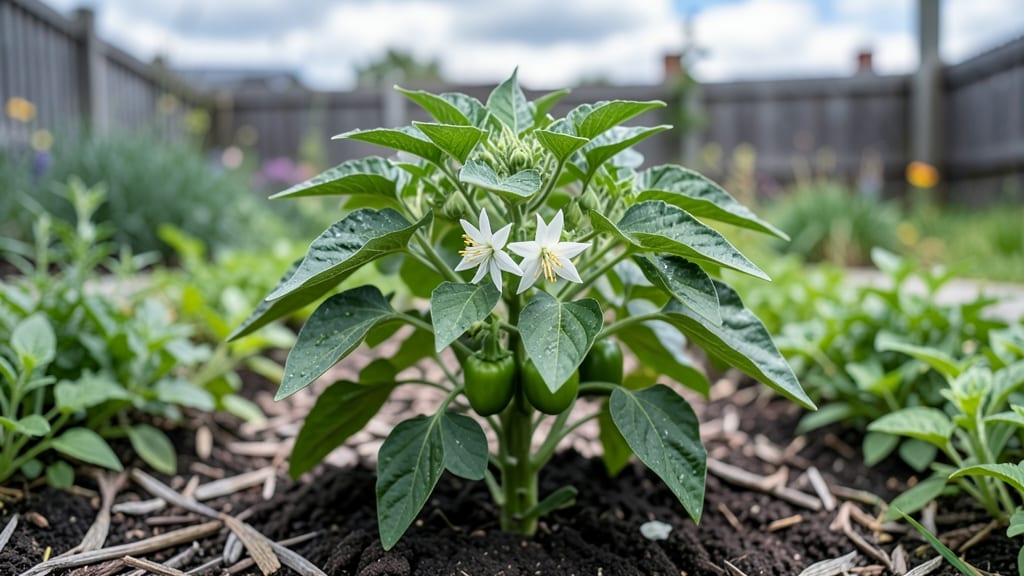
Pepper plants flower 60 to 90 days after transplanting—but that window shifts dramatically depending on your climate zone and variety 🌶️.
Ever stared at your pepper plants wondering, "Why aren’t they blooming yet?" You’re not alone. The truth? Your local weather plays a bigger role than you might think.
In cooler zones like 6a, blooms often arrive later, while tropical varieties in warmer areas can burst into flower in as little as 50 days. Without the right timing, you might end up with lush foliage but no peppers.
This guide breaks down the exact flowering timelines for your zone, plus the three key factors that can speed up—or delay—those first buds. Whether you’re growing bell peppers, jalapeños, or habaneros, knowing when to expect flowers helps you plan for a bountiful harvest.
You’ll learn how to read your plant’s signals, adjust care for faster blooming, and troubleshoot common delays—so you can go from seedlings to peppers in record time.
How climate zones affect pepper plant flowering timelines
Your pepper plants' flowering timeline isn't just about luck—it's heavily influenced by your USDA climate zone. In warmer zones (8-11), peppers often flower within 6-8 weeks of planting, while cooler zones (3-6) may see blooms delayed until 10-12 weeks or later.
Understanding these differences helps you time plantings and care strategies perfectly for your location.
Temperature shifts play a critical role in triggering blooms. Day-neutral varieties like 'Arpad F1' flower regardless of light, but short-day varieties (e.g., 'Cayenne') need specific temperature cues. Even in the same zone, a heatwave or early frost can push flowering windows forward or backward by weeks.
Let's break down the flowering windows by zone so you know exactly when to expect those first white or purple blooms—and how to support them for a bountiful harvest.
If you're in USDA zones 3-5, your cold-hardy varieties like 'Ancho' or 'Poblano' may not flower until mid-summer due to slower early growth. Start seeds indoors 8-10 weeks before last frost to give them a head start, or choose transplant-ready seedlings after Memorial Day for faster blooming.
In zones 6-7, most gardeners see their first blooms by early July if planted at the right time. Bell peppers and jalapeños thrive here, but they need consistent 70-85°F daytime temperatures to set fruit.
If nights dip below 60°F, blooms may drop—consider row covers or black plastic mulch to retain heat.
Gardeners in zones 8-11 enjoy the fastest flowering timelines, with some varieties like 'Serrano' or 'Habanero' blooming as early as May. These heat-loving peppers can even produce multiple flushes of blooms throughout the season if given proper care.
However, extreme heat above 95°F can cause bloom drop, so provide afternoon shade during peak summer.
One common misconception is that all peppers flower at the same time. Early bloomers like 'Early California Wonder' may set fruit in 60 days, while late-season varieties like 'Cherokee Purple' can take 90+ days. Mixing varieties in your garden ensures a staggered harvest from summer through fall.
To encourage faster flowering, focus on balanced fertilization with phosphorus-rich amendments (like bone meal) when transplanting. In cooler zones, use black plastic mulch to warm soil and trigger blooms 2-3 weeks earlier. For tropical varieties in hot zones, prune lower leaves to improve airflow and reduce stress-related bloom drop.
Remember: Pollination matters! In zones with low bee activity (like urban areas), hand-pollinate blooms by gently shaking plants or using a small brush. This ensures every flower has the chance to develop into a pepper—no matter your climate zone.
Signs your pepper plant is ready to flower (and how to speed it up)
Your pepper plants are putting on a leafy growth spurt but still no flowers? That’s normal—peppers need specific signals before they bloom. The first clue is leaf count: most varieties produce flowers when they’ve developed 6-8 true leaves and a thickened stem.
For bell peppers, this usually happens 6-8 weeks after transplanting, while hot peppers like jalapeños may wait until 8-10 weeks.
Day-length sensitivity also plays a role. Short-day varieties (common in tropical climates) need 12 hours of daylight or less to trigger blooming, while long-day varieties (like many commercial peppers) thrive with 14+ hours of light.
If your plants are stretching toward the sky but staying leafy, they might need supplemental grow lights for 14-16 hours daily to encourage flowering.
- 🌿 6-8 true leaves (excluding seed leaves) with 1-inch-wide foliage
- 🌡️ Stem diameter reaches ½ inch or thicker at soil level
- ☀️ Bud formation at leaf axils (tiny bumps where leaves meet stems)
- 📏 Plant height of 12-18 inches (varies by variety)
- 🌡️ Soil temps consistently above 70°F (21°C) for 2+ weeks
To speed up flowering, focus on three key adjustments. First, switch to a low-nitrogen, high-phosphorus fertilizer (like 5-10-10) to shift energy from leaves to flowers. Apply it once every 2-3 weeks once buds appear.
Second, prune lower leaves to improve air circulation and direct energy upward—just avoid cutting into the main stem. Third, if your plants are stressed (yellowing leaves, wilting), reduce watering slightly to encourage root development.
For slow-to-flower varieties like habaneros, try a light shock technique: move plants to a cooler spot (60-65°F) for 3-5 days, then return them to warmth. This mimics natural temperature shifts that trigger blooming.
Just avoid dropping below 55°F (13°C) or buds will abort. Monitor your plants daily for tiny white or yellow buds—these are your first sign of imminent flowers!
Pro tip: Hand-pollinate flowers by gently shaking plants or using a paintbrush to transfer pollen. This is especially helpful in greenhouse settings or during rainy weather when natural pollinators are scarce. With these adjustments, you’ll see flowers in 2-4 weeks, setting the stage for a bountiful harvest.
Remember, patience is key—peppers grown from seed may take 3-4 months to produce fruit. Track your plant’s progress with a simple journal noting leaf count, bud appearance dates, and flowering triggers. This data will help you fine-tune next year’s planting strategy for even earlier blooms! 🌶️