
Flowers
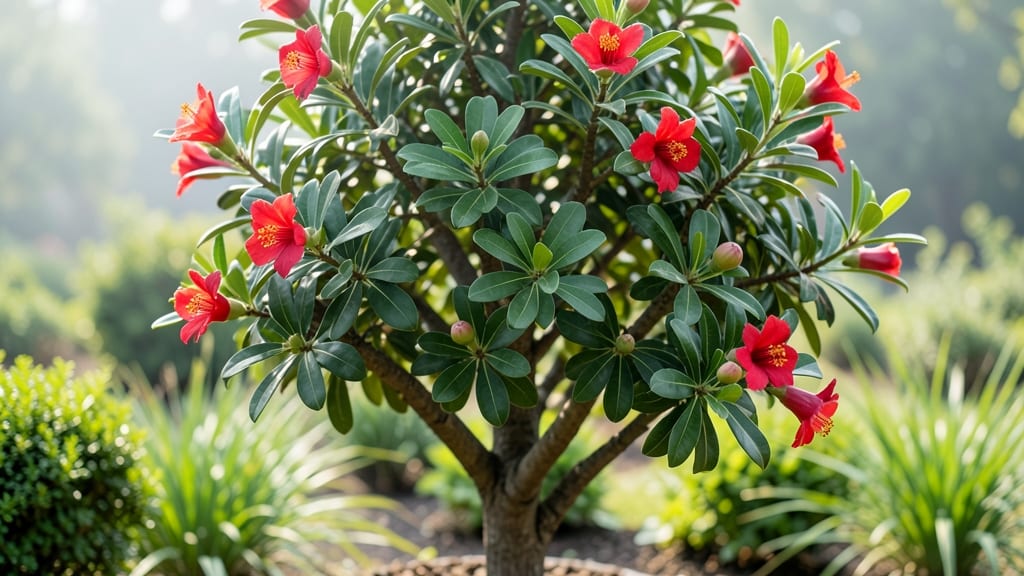
Pomegranates flower in late spring to early summer 🍇, but the exact timing depends on your hardiness zone and the variety you’re growing.
If you’ve ever wondered why your pomegranate tree isn’t blooming—or when to expect those stunning red flowers—timing is everything. Understanding the exact months for pomegranate flowering by your USDA hardiness zone could mean the difference between a sparse harvest and a tree bursting with fruit.
In cooler zones like 6a-10a, blooms typically appear in May or June, while subtropical areas may see flowers as early as March or April. The right care—like pruning and sunlight—can even nudge your tree to bloom earlier or later, giving you more control over fruit production.
Below, I’ll break down the best months for blooms by zone, share tips to encourage heavy flowering, and answer whether those gorgeous flowers are edible or just for show.
Pomegranate flowering months by USDA hardiness Zone: a month-by-month guide
Timing is everything when it comes to pomegranate flowering. These striking red blooms appear at different times depending on your USDA hardiness zone and local climate. In Zones 7-11, blooms can range from early spring to late winter, creating a stunning contrast to other garden plants.
Understanding your specific zone helps you anticipate when to expect those showy flowers and plan for a bountiful harvest.
Pomegranates are deciduous shrubs or small trees that thrive in warm climates but adapt well to cooler zones with proper care. The key to maximizing blooms lies in knowing your frost dates and adjusting care practices accordingly.
For example, in Zone 7, blooms typically appear in late spring, while Zone 11 may see flowers year-round or in winter. Let’s break down the exact months for each zone.
| USDA Zone | Primary Flowering Months | Secondary Flowering Months | Notes |
|---|---|---|---|
| Zone 7 | April - May | Late March, June | Early bloomers; protect from late frosts. |
| Zone 8 | March - April | May, September | Moderate climate; two bloom cycles possible. |
| Zone 9 | February - March | October, December | Winter blooms possible; drought-tolerant. |
| Zone 10 | January - February | July, September | Year-round blooms in frost-free areas. |
| Zone 11 | Year-round (peaks winter) | N/A | Tropical climate; minimal seasonal change. |
In Zone 7, pomegranates typically bloom in April and May, with some early flowers appearing in late March. This timing aligns with the last frost date, ensuring blooms aren’t damaged by cold snaps.
If you live in a cooler microclimate within Zone 7, consider planting near a south-facing wall to extend the growing season and encourage earlier blooms.
Gardeners in Zone 8 enjoy two distinct bloom cycles: the primary flush in March and April and a secondary bloom in May or September. This dual flowering pattern means you can expect pomegranate flowers nearly half the year.
To maximize blooms, prune lightly after the first flush to redirect energy toward the second cycle.
Zone 9 pomegranates defy expectations by flowering in February and March, often followed by a late-season bloom in October or December. The mild winters in this zone create an ideal environment for winter flowering. If your tree isn’t blooming in winter, check for adequate sunlight—pomegranates need 6+ hours of direct sun daily, even in cooler months.
For those in Zones 10 and 11, pomegranates can flower year-round, with peak blooms in winter. In Zone 10, expect flowers in January and February, while Zone 11’s tropical climate allows for continuous blooms.
These zones are perfect for ornamental pomegranates, as their red flowers add vibrant color to winter landscapes.
Regional variations play a huge role in bloom timing. For example, coastal areas in Zone 9 may see earlier blooms than inland regions due to milder winters. Similarly, high-elevation areas in Zone 7 might experience delayed blooms.
Pay attention to your local microclimate—factors like urban heat islands or valley frosts can shift bloom times by weeks.
If your pomegranate isn’t flowering on schedule, don’t panic. Fruit production depends on proper care, including pruning, fertilizing, and watering. For instance, overwatering can delay blooms, while drought stress in late summer may trigger early flowering.
Adjust your care routine based on your zone’s specific needs to encourage healthy, timely blooms.
Pro tip: Use mulch around your pomegranate tree to regulate soil temperature. In cooler zones like Zone 7, mulch helps protect roots from frost, while in warmer zones like Zone 11, it retains moisture during dry spells. This simple step can make a big difference in bloom consistency.
Now that you know the exact months for pomegranate flowering in your zone, you can plan your garden accordingly. Whether you’re growing for ornamental beauty or a juicy harvest, timing is key to success. With the right
How to encourage earlier or later pomegranate blooms: pruning, fertilizing, and climate hacks
Pomegranate trees are finicky about timing—if your blooms arrive too early or late, you might miss the sweet spot for fruit production. The good news? With the right pruning, fertilizing, and microclimate tweaks, you can nudge your tree to flower when it matters most.
Whether you're in Zone 8 and want summer blooms or Zone 10 and need to delay winter flowers, these strategies work.
First, let’s talk pruning. Pomegranates flower on new wood, so strategic cuts can shift bloom timing. Heavy pruning in late winter encourages vigorous spring growth—and with it, earlier blooms.
For later flowers, prune lightly in early summer to delay new growth. Think of it like resetting your tree’s internal clock.
Typical bloom windows: Zone 7-8: May–June; Zone 9-10: March–April or September–October (bimodal). Cold snaps can delay blooms, while warm winters may trigger early flowers. Varieties like 'Wonderful' bloom earlier than 'Eversweet'.
Next, fertilizer timing plays a huge role. A high-phosphorus feed (like 5-10-10) in early spring boosts flower buds, while a light nitrogen dose in late summer can delay blooms slightly.
Avoid heavy feeding after July—it encourages leafy growth over flowers. I swear by a slow-release organic fertilizer in March, followed by a half-dose in June.
For climate control, microclimates are your secret weapon. Pomegranates love heat, but they also need a cool dormancy period to set buds. In hot zones (9-10), plant near a west-facing wall to capture afternoon sun while shielding from harsh midday heat.
In cooler zones (7-8), use black plastic mulch in winter to retain warmth and encourage earlier blooms.
Watering strategically also helps. Deep watering once a week during drought stress can revive a struggling tree, but overwatering in winter delays blooms. Let the soil dry slightly between waterings—pomegranates hate soggy roots. I’ve seen trees in Zone 10 bloom 3 weeks earlier just by adjusting their water schedule.
Finally, light shade in peak summer can prevent heat stress, which often causes buds to drop. A 30% shade cloth during June–August keeps flowers from wilting. Pair this with balanced pruning, and you’ll have blooms right when you want them—no more missed harvests!