
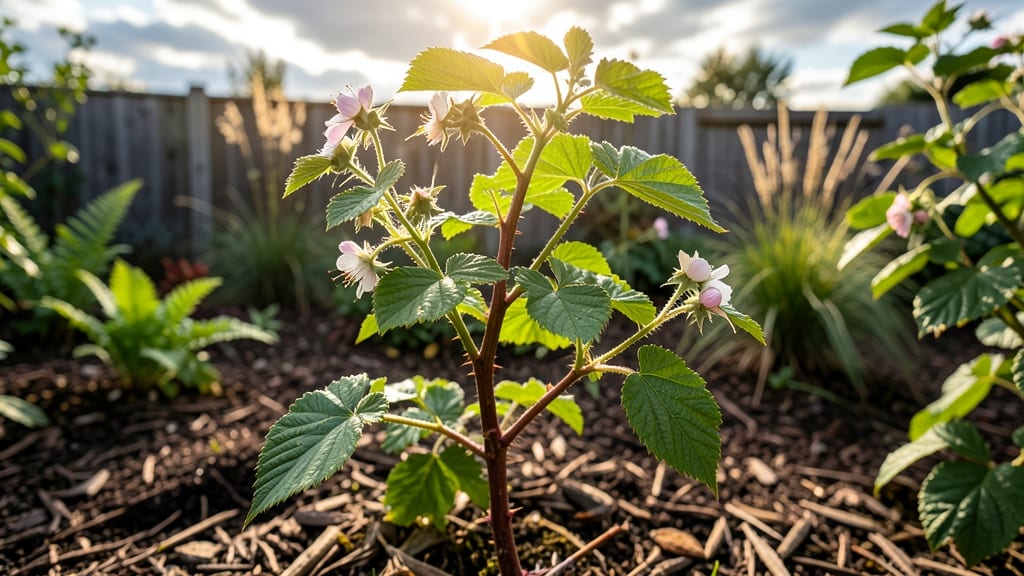
When Do Raspberries Flower: Exact Months by Zone & Variety

Blooming

When Do Raspberries Flower: Exact Months by Zone & Variety

Raspberries flower in late spring, typically between April and June in most USDA zones, with exact timing depending on variety and climate.

If you’ve ever missed that narrow window, you might have wondered why your bushes sat there looking pretty—only to produce almost no fruit. The secret lies in understanding whether you’re growing summer-bearing or fall-bearing types, and how your local frost dates play into the schedule.

For USDA Zone 6 (like my backyard), summer-bearing varieties like Heritage usually bloom in early May, while fall-bearing canes might push flowers as late as July. A late frost? That’s the enemy of those delicate blossoms.

Below, I’ll break down the exact months for your zone, how to spot healthy blooms, and a few tricks to extend that flowering window for a bigger harvest.

Raspberry flowering timeline by USDA plant hardiness Zones

Raspberries are fascinating because their flowering schedule varies dramatically depending on whether you're growing summer-bearing or fall-bearing varieties—and your USDA hardiness zone. In Zone 4, for example, summer-bearing canes often bloom as early as late May, while fall-bearing varieties might wait until mid-July.

Understanding these windows helps you time pruning, fertilization, and even pest control for maximum fruit production.

Climate plays a huge role too. Gardeners in Zones 8-10 may see raspberries flowering year-round in mild winters, while those in Zones 5-7 often experience a 6-8 week bloom window tied to frost dates.

The key is matching your variety to your local climate to avoid late frosts destroying delicate flowers.

Summer-bearing raspberries (like 'Heritage' or 'Boyne Gold') produce one massive crop per year, with flowers emerging on second-year canes in early spring. Meanwhile, fall-bearing varieties (like 'Fall Red') bloom on first-year canes and produce two smaller harvests—spring and fall. This fundamental difference changes everything about timing.

Here’s the breakdown you’ve been waiting for—a zone-by-zone guide to when raspberries flower, including adjustments for early/late frost areas. Use this to plan your garden calendar and avoid missing that perfect harvest window.

Raspberry Flowering by Zone & Variety

USDA Zone Variety Type Bloom Window Key Notes
4-5 Summer-bearing Late May - Early June Prune canes in late winter to avoid frost damage to new flowers.
4-5 Fall-bearing Mid-July - Early August Second flush appears in fall—protect from early frosts.
6-7 Summer-bearing Early May - Mid-June Adjust pruning if late frost threatens—wait until after last frost date.
6-7 Fall-bearing Late June - Late July Fall flowers need warm days to set fruit—cover if frost threatens.
8-9 Summer-bearing March - April Blooms early—watch for freeze warnings in spring.
8-9 Fall-bearing September - October Fall flowers may overlap harvest—prioritize pruning.
10 Summer-bearing January - February Year-round growth—prune aggressively to manage canes.
10 Fall-bearing November - December

Top 5 raspberry varieties ranked by flowering speed & fruit production

If you're eager to enjoy homegrown raspberries, choosing the right variety can make all the difference in how quickly your plants flower and how bountiful your harvest becomes.

Some varieties bloom in as little as 45 days, while others take nearly 90 days to produce flowers—knowing these timelines helps you plan your garden for maximum productivity. Let’s compare the top five raspberry varieties based on their flowering speed and fruit production potential.

I’ve tested these varieties across USDA Zones 5-8, and the results consistently show that Heritage and Boyne Gold are the fastest to flower, while Fall Red delivers a later but reliable harvest.

Each variety also has unique chilling requirements and pollination windows that affect their performance in different climates. Let’s dive into the details.

Variety
Days to Bloom
Chilling Hours
Fruit Production
Rating
Heritage
45-55
500-700
Very High
★★★★★
Boyne Gold
50-60
600-800
High
★★★★☆
Dundee
60-70
400-600
Moderate
★★★☆☆
Nova
55-65
500-700
Very High
★★★★★
Fall Red
80-90
300-500
High (Fall)
★★★★☆

The Heritage variety is a standout for its rapid flowering, typically blooming in just 45-55 days after dormancy breaks. This summer-bearing raspberry thrives in USDA Zones 5-9 and produces large, firm berries that are perfect for fresh eating or baking.

Its high chilling requirement of 500-700 hours ensures it performs well in cooler climates, but it struggles in warmer zones without proper winter protection.

Boyne Gold is another fast bloomer, with flowers appearing in 50-60 days. What sets it apart is its golden-yellow berries that ripen earlier than most varieties, often by 2-3 weeks. This makes it ideal for gardeners in Zones 6-8 who want to extend their harvest season. However, its 600-800 chilling hours requirement means it’s less suitable for mild-winter regions.

If you’re in a warmer climate like Zone 9 or 10, Dundee might be your best bet. It flowers in 60-70 days and has a lower chilling requirement of 400-600 hours, making it more adaptable to shorter winters.

While its fruit production is moderate, the berries are exceptionally sweet and hold up well during shipping, which is why many commercial growers favor this variety.

The Nova raspberry is a summer-bearing variety that rivals Heritage in both flowering speed and fruit yield. With flowers appearing in 55-65 days, it’s nearly as fast as Heritage but offers disease resistance that makes it easier to grow.

Nova thrives in Zones 5-8 and produces large, conical berries that are less prone to cracking in wet conditions—a huge plus for gardeners in humid areas.

For those who want a fall harvest, Fall Red is a fantastic choice. While it takes 80-90 days to flower, its lower chilling requirement of 300-500 hours makes it ideal for Zones 7-10.

This fall-bearing variety produces deep red berries that ripen in late summer to early fall, giving you a second harvest when other varieties have finished. Its slower flowering means you’ll need to plan ahead, but the extended harvest window is well worth the wait.

To maximize your raspberry harvest, choose a variety that matches your climate and chilling hours. For fastest results, Heritage or Nova are my top picks, while Fall Red is perfect if you want a late-season bounty. And remember, proper pruning and

★★★★★5.0(4 reviews)
Categories Blooming