
Blooming
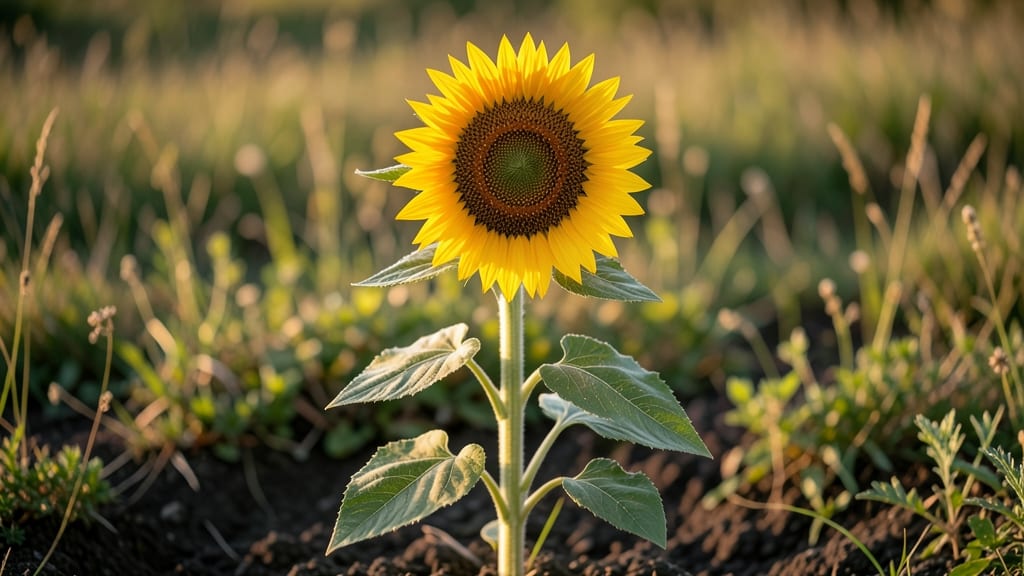
Sunflowers start to bloom anywhere from 45 to 120 days after planting, depending on the variety and your climate zone — and that window can shift by weeks if you plant too early or too late.
Picture this: you’ve spent weeks nurturing your 🌻 seedlings, only to wonder why they’re still just leaves when your neighbor’s garden is bursting with golden blooms.
The truth? Some sunflowers race to flower in 60 days, while giants like Russian Giants take nearly four months to show off their petals.
In USDA Zone 6a, where spring planting kicks off after the last frost (usually mid-April), most sunflowers bloom between July and early September. But in warmer zones, like Florida, you might see flowers as early as May, while cooler zones could push blooms into late summer or even fall.
Below, I break down exactly when to expect those cheerful faces in your garden, how to adjust for your zone, and 5 pro tips to speed up or delay blooming so you can enjoy sunflowers all season long.
Sunflower bloom times by variety: fastest to slowest flowering types
If you’ve ever wondered when do sunflowers start to bloom, the answer depends entirely on the variety you choose. Some sunflowers burst into color in as little as 45 days, while others take nearly 120 days to reach their full, cheerful glory.
Knowing these timelines helps you plan for continuous summer blooms or strategically time your garden for cut flowers and seed harvests.
Fast-blooming varieties are perfect for late-summer gardens or succession planting, while the slower types reward patience with towering, dramatic displays. Below, I’ve ranked the most popular sunflower varieties from fastest to slowest blooming, complete with exact days-to-maturity and ideal planting windows for peak summer color.
For instant summer color, the Teddy Bear and ProCut varieties are my top picks—they bloom in just 45–60 days, making them ideal for late-spring plantings or extended-season gardens.
If you’re aiming for dramatic height, the Russian Giant and Mammoth varieties take longer but deliver 10–14-foot giants that dominate any landscape.
Pro tip: To ensure continuous blooms all summer, plant fast varieties like Teddy Bear every 2–3 weeks starting in late May. This creates a staggered bloom schedule that keeps your garden vibrant from July through September.
If you’re growing sunflowers for seed harvest, slower varieties like Russian Giant or Mammoth are worth the wait—they produce larger, more abundant seeds perfect for bird feeders or roasting. Just be sure to plant them early enough to avoid <
How USDA hardiness zones affect sunflower blooming dates
Sunflowers thrive across USDA zones 3 through 11, but their blooming windows shift dramatically depending on where you garden.
In warm zones 9-11, you might see sunflowers bloom as early as late winter or early spring, while gardeners in cooler zones 3-5 typically wait until mid-to-late summer.
These differences aren't just about timing—they also affect which varieties perform best in your area and when to plant for frost-free blooms.
The last frost date in your zone determines your planting window, which directly impacts bloom timing. For example, Zone 10 gardeners can plant sunflowers in December and enjoy blooms by March, while Zone 5 gardeners must wait until May for frost-free conditions, resulting in July-August blooms.
Understanding these patterns helps you choose the right sunflower varieties and plan for seasonal color.
| USDA Zone | Planting Window | Bloom Time | Days to Bloom | Frost Risk |
|---|---|---|---|---|
| Zones 3-4 | Mid-May to early June | Late July to August | 75-90 days | High (late frost risk) |
| Zones 5-6 | Late April to mid-May | June to early September | 60-80 days | Moderate (early/late frost) |
| Zones 7-8 | March to early April | May to July | 50-70 days | Low (mild winters) |
| Zones 9-11 | December to February | February to April | 45-60 days | None (tropical) |
Note: Bloom times assume 6-8 hours of sun and well-draining soil. Adjust for shorter days in northern zones.
In northern zones (3-5), sunflowers need longer growing seasons to mature before frost hits. Plant early-maturing varieties like 'Autumn Beauty' (60-70 days) or 'Teddy Bear' (55-65 days) to ensure blooms appear before first frost.
These zones also benefit from succession planting—sow seeds every 2-3 weeks in early summer for staggered blooms through fall.
Gardeners in southern zones (9-11) enjoy year-round growing potential, but summer heat can stress sunflowers. Opt for heat-tolerant varieties like 'Moulin Rouge' (60-70 days) and plant in fall or winter to avoid peak temperatures.
In these zones, sunflowers can even rebloom if deadheaded promptly, extending your display into early spring.
For transition zones (6-8), timing is critical. Plant dwarf varieties like 'Sunspot' (50-60 days) in early spring for summer blooms, then sow tall varieties like 'Mammoth' (90-120 days) in mid-summer for fall color.
Always check your last frost date—planting too early in these zones risks frost damage to young seedlings.
Pro tip: Use a frost calendar for your city to fine-tune planting. Most sunflowers need 70-120 days to bloom, but cooler zones reduce this window.
For example, a Zone 4 sunflower planted in May will bloom in August, while the same variety in Zone 10 planted in December blooms by March. Plan ahead to maximize your garden's seasonal color! 🌻